
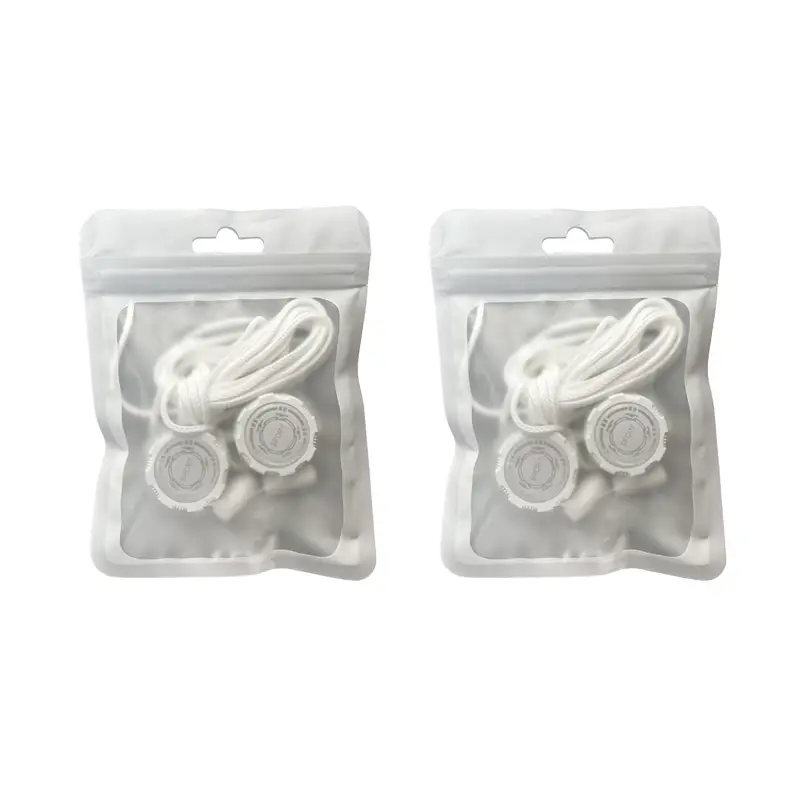
Nothing ruins the rhythm of a morning run or a busy walk across town like a constantly untying shoe. Millions of runners, parents, and daily commuters face the nagging friction of loose laces every single day. Using a White Plastic Shoe Lace Lock offers a quick, mechanical solution to keep tension secure without constantly tying double knots. But do these small plastic devices actually deliver on their promise, or are they just an extra piece of plastic on your sneakers?
Understanding why traditional shoelace knots fail is the first step in assessing whether a mechanical lock is necessary. Standard shoelace knots rely purely on friction between soft fabric strands. As your foot hits the ground, the impact sends a force through the shoe that acts like an invisible hand tugging at the free ends of your laces. Simultaneously, the swinging motion of your leg creates inertia, pulling the loops outward. Combined, these forces cause traditional knots to slip, stretch, and eventually unravel within hundreds of strides.
Lace locks alter this dynamic entirely by replacing soft fabric friction with physical clamping force. Instead of relying on a bow knot to maintain tension, these devices feed the laces through a spring-loaded or slide-based plastic housing. The internal mechanism pinches the lace cords firmly against the outer casing, preventing vertical slippage regardless of foot impact or leg movement. By eliminating reliance on fabric knot friction, lace locks effectively remove the physical mechanics that cause shoelaces to come undone.
The Engineering Behind Plastic Lace Locks
To evaluate whether lace locks truly work, it helps to examine how a Plastic Shoe Lace Lock functions under real-world pressure. Most standard lace locks utilize a high-tension steel spring housed inside a lightweight polymer shell. When you depress the top button, internal channels align, allowing you to slide the lock down to your desired tightness against the shoe tongue. Releasing the button releases the spring, driving an internal tooth or bar directly against the laces to lock them in place.
Beyond spring-loaded toggles, off-road and athletic designs often utilize cord-clip or friction-channel systems. These variations anchor the lace ends tightly to the lower eyelets or frame of the shoe. Because high-density plastics like polycarbonate and polyoxymethylene (POM) resist moisture, UV rays, and temperature shifts, they hold their clamping force far more consistently than cotton or polyester shoelace fibers, which sag and stretch when exposed to sweat or rain.
Who Benefits Most from Lace Locks?
While anyone annoyed by loose shoelaces can use a locking device, specific groups experience distinct functional advantages:
- Runners and Endurance Athletes: Triathletes depend on quick-transition lacing systems to save seconds during race changes, while marathoners rely on uniform lace tension over long distances to prevent lace untying and foot numbness.
- Children and Parents: Kids learning to tie shoes often struggle with loose laces during school or playtime, making push-button locks an accessible, safety-boosting alternative.
- Seniors and Individuals with Dexterity Challenges: Those living with arthritis, Parkinson’s disease, or limited hand mobility gain independence by replacing complex knot-tying with a simple press-and-slide motion.
- Industrial and Outdoor Workers: Hikers navigating brush and factory workers around machinery eliminate the danger of exposed lace loops snagging on roots, equipment, or foot pedals.
Comparing Shoelace Securing Methods
Choosing the right way to keep your shoes tied depends on your activity level, mobility requirements, and aesthetic preferences. The table below compares traditional knots, plastic lace locks, elastic speed laces, and double-knotting across key performance factors.
Fastening Systems Comparison
| Securing Method | Tension Reliability | Ease of Adjustment | Installation Time | Primary Advantage | Main Limitation |
|---|---|---|---|---|---|
| Standard Bow Knot | Low to Moderate | Fast | Immediate | Free; requires no added hardware | Unravels from foot impact impact and motion |
| Plastic Lace Lock | High | Instant (Push-Button) | 1–2 Minutes | Holds tension firmly; easy single-hand use | Adds subtle hardware bulk to shoe top |
| Elastic No-Tie Laces | High | Self-Adjusting | 5–10 Minutes | Turns lace-up shoes into slip-ons | Provides less rigid support for heavy plant movement |
| Double Knot | Moderate to High | Slow (Difficult to Untie) | Immediate | Simple and free | Hard to untie when wet or tightly pulled |
Plastic lace locks provide a clear middle ground for users who want rigid, non-yielding support without the hassle of tying complex knots or dealing with over-stretching elastic bands.
Potential Drawbacks and Considerations
Despite their convenience, plastic lace locks are not without potential downsides. Over-tightening a lace lock can create localized pressure across the top of your foot (the dorsal bridge), leading to discomfort or restricted circulation during long walks. Because the hardware maintains rigid tension, it does not naturally flex with your foot the way woven bow knots or elastic laces slightly do.
Additionally, low-quality lace locks made from cheap brittle plastics can crack under heavy impact or freeze-thaw outdoor conditions. Ensuring your lock features an internal stainless steel spring and UV-stabilized plastic prevents mechanical failure mid-workout. Finally, aesthetic preferences play a role; some runners prefer a clean, minimalist silhouette over visible plastic toggles atop their sneakers.
How to Install and Maintain Your Lace Locks
Installing a set of shoe lace locks takes less than two minutes and requires no special tools:
- Thread the Laces: Un-tie your current shoelaces down to the top set of eyelets. Press down on the lace lock button to open the internal channel, then feed both ends of the shoelace through the center opening.
- Set the Tension: Slide the lock down the laces until it rests comfortably against the tongue of your shoe. Adjust the tightness until your foot feels securely anchored without pinch points.
- Secure the Ends: Tie a small stop knot in the remaining lace tails, or clip on a plastic lace tip enclosure to prevent the hardware from sliding off the ends.
- Routine Cleaning: Periodically rinse the lock with warm water if exposed to mud or grit to prevent dirt from jamming the internal spring button.
Conclusion
Plastic shoe lace locks offer a reliable, mechanical solution to the annoying and persistent problem of untying shoelaces. By replacing fabric friction with spring-loaded clamping force, these small devices keep your footwear securely fastened through heavy foot strikes, intense workouts, and long daily walks. Whether you are an athlete looking to streamline transitions, a parent seeking safer playwear for children, or someone managing hand dexterity challenges, lace locks provide an affordable and easy-to-use upgrade for everyday footwear.
Frequently Asked Questions
Do shoe lace locks fit on any standard shoelace?
Yes, most universal plastic lace locks accept standard round, flat, and oval shoelaces up to 4mm in diameter. Extra thick work boot laces may require heavy-duty toggle sizes.
Can lace locks damage my shoelaces over time?
Quality lace locks feature smooth internal plastic teeth that grip laces firmly without shredding fibers. Cheaper options with sharp mold seams may cause premature fraying.
Are plastic lace locks waterproof for outdoor trails?
High-grade plastic locks utilize non-corrosive polymer bodies and stainless steel internal springs, making them fully waterproof and resistant to rust in rain or mud.
Can I turn my regular shoes into slip-ons using lace locks?
If you pair plastic lace locks with elastic stretch laces, you can comfortably slip your shoes on and off without ever touching the locking mechanism again.
How do I stop lace locks from sliding around while running?
Ensure the internal spring fully engages by pulling the laces taut before releasing the push-button. You can also lock the free ends into an ankle-level lace clip to stop bouncing.