
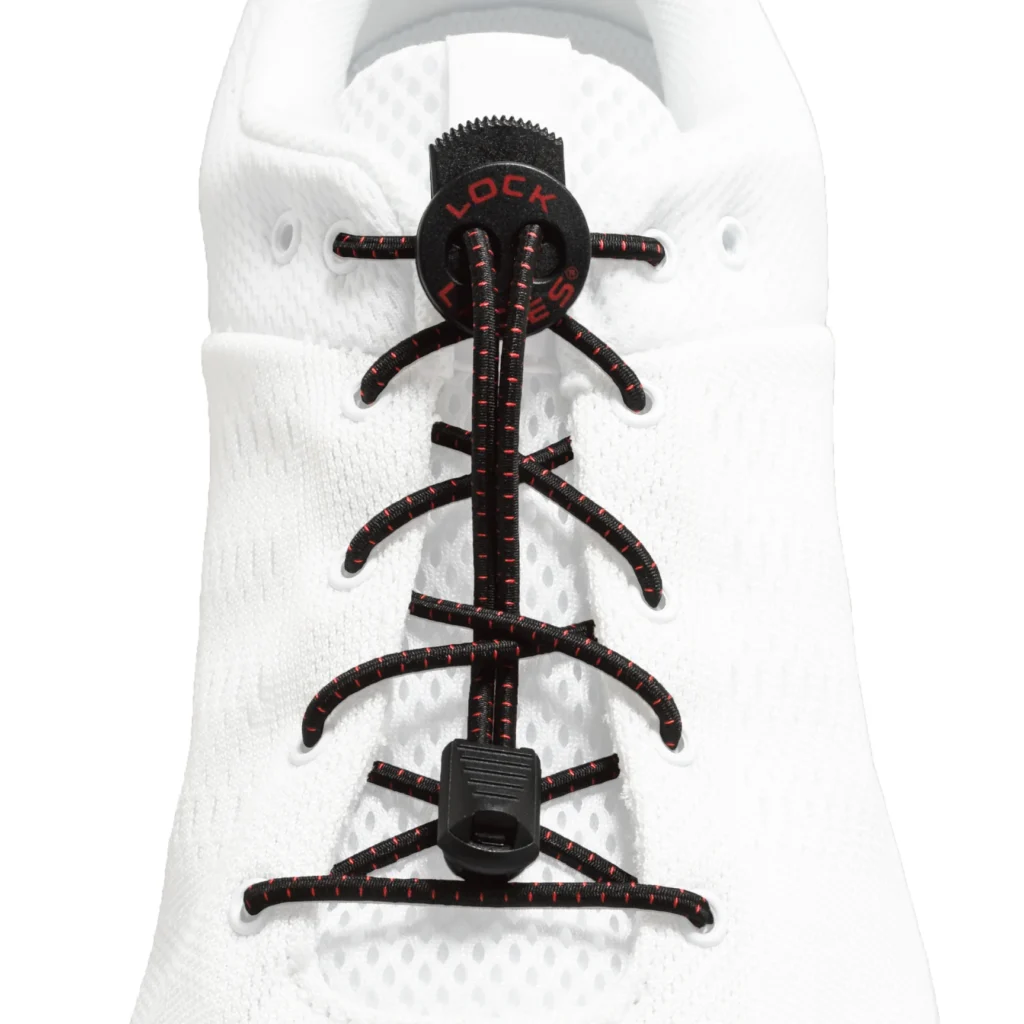
A loose shoelace can turn a smooth morning into an unnecessary interruption. For professionals who move between commutes, meetings, errands, and after-work activities, footwear needs to stay secure without demanding constant attention. Choosing the right lacing system can make everyday shoes easier to manage. Kwik Lace is one option worth considering for people who want a simple, convenient way to keep their shoes comfortably fitted throughout a busy day.
Why Shoelaces Matter for Busy Professionals
Professionals often spend long hours on their feet or move quickly between different locations. Traditional laces can work well, but tying and adjusting them repeatedly may become inconvenient, especially during hectic mornings or travel.
A well-designed lacing system can make shoes easier to put on, adjust, and remove. It can also help maintain a consistent fit while reducing the need to stop and retie footwear.
Convenience is particularly valuable when shoes are part of a daily routine. Whether someone wears sneakers for commuting, casual shoes at the office, or athletic footwear after work, a practical lace system can simplify the experience.
Common Problems With Traditional Shoelaces
Traditional laces remain popular because they are simple and versatile. However, they can create several small problems during a busy day.
Frequent Retying
Laces may loosen as someone walks, runs, climbs stairs, or changes pace. When that happens, the wearer may need to stop and tighten them again.
Although this takes only a few seconds, repeated adjustments can become frustrating over time.
Uneven Tightness
Some people pull their laces tighter on one side than the other. Uneven tension can affect how the shoe feels and may make certain areas feel unnecessarily tight.
A consistent lacing method can help create a more balanced fit across the foot.
Difficult Removal
Traditional knots can sometimes become tight, particularly when a shoe is worn for several hours. Removing them can take extra effort when someone is already in a hurry.
This can be especially inconvenient when entering places where shoes must be removed frequently.
Types of Shoelace Solutions to Consider
Different lacing systems serve different needs. The right choice depends on footwear type, daily activities, personal comfort, and how frequently the shoes need adjustment.
| Shoelace Solution | Main Benefit | Suitable For |
|---|---|---|
| Traditional Lace | Familiar and adjustable | Office and casual shoes |
| Elastic Lace | Flexible fit | Walking and everyday footwear |
| No-Tie Lace | Quick and convenient | Busy daily routines |
| Locking Lace System | Secure adjustment | Active lifestyles |
| Flat Lace | Clean appearance | Casual and lifestyle shoes |
| Round Lace | Traditional appearance | Boots and athletic footwear |
Understanding these differences makes it easier to select a system that matches a professional’s routine.
Benefits of Elastic and No-Tie Lacing Systems
Elastic designs can provide flexibility while allowing the shoe to remain comfortably secured. Instead of repeatedly loosening and tightening conventional laces, wearers can often slip their feet into their shoes with less effort.
Faster Morning Routines
Mornings can involve several small tasks, from preparing breakfast to checking messages and getting ready for work. Simplifying footwear can remove one more step from the routine.
No-tie systems are particularly useful for people who prefer to put on their shoes quickly without dealing with knots.
Greater Everyday Convenience
Convenience becomes even more important when a person travels regularly or spends much of the day moving around.
A flexible lacing system can make it easier to transition between walking, commuting, working, and relaxing without constant adjustments.
Comfortable Movement
Elasticity allows the footwear to accommodate natural foot movement. This can be useful during walking or other everyday activities where feet may shift slightly inside the shoes.
However, the system should still provide enough tension to keep the footwear securely positioned.
How to Choose the Right Shoelace System
Selecting a lacing solution should start with how and where the shoes are used.
Consider Your Daily Schedule
Think about how often you put on, remove, or adjust your shoes. Someone who changes footwear several times a day may benefit more from a convenient no-tie design than someone who wears one pair continuously.
Match the System to the Shoe
Not every lace style works equally well with every shoe. Athletic footwear, casual sneakers, work shoes, and boots can have different eyelet arrangements and fit requirements.
Before replacing a lace, check the shoe’s eyelets and determine whether the replacement system is compatible.
Think About Your Preferred Fit
Some people prefer a snug fit, while others want more flexibility. Choose a system that allows the footwear to stay secure without creating unnecessary pressure.
A good fit should feel stable during movement while still allowing natural foot comfort.
Practical Tips for Better Shoelace Performance
Even a quality lacing system works best when installed and adjusted correctly.
Measure Before Replacing
Check the existing lace length before buying a replacement. A lace that is too short may not provide enough room for adjustment, while an excessively long one can create unnecessary material around the shoe.
Check Tension Regularly
Make sure both sides are adjusted evenly. Balanced tension can help the shoe sit more consistently on the foot.
Inspect Laces for Wear
Look for fraying, stretched sections, damaged ends, or weakened locking components. Replacing worn parts early can help maintain reliable performance.
Keep the Shoe Structure in Mind
Laces are only one part of footwear fit. The shoe itself should provide appropriate support, room, and stability for its intended activity.
Shoelace Solutions for Work and Travel
Professionals who travel for meetings, conferences, or business trips often benefit from footwear that is easy to manage.
No-tie and elastic systems can make airport security, hotel stays, and long walking periods more convenient. They can also reduce the number of small adjustments required throughout the day.
For business-casual environments, choose a lacing solution that complements the appearance of the shoe. A practical system does not necessarily have to look noticeably different from a traditional lace.
Why Convenience Should Not Replace Fit
Although convenience is important, it should not be the only consideration when selecting a lace system.
A shoe should remain secure while walking and should not feel excessively tight or loose. If a replacement lace changes the way the shoe fits, make small adjustments rather than assuming tighter is always better.
Comfort, stability, durability, and appearance should all be considered together.
Maintaining Your Shoelaces
Proper maintenance can extend the useful life of most lace systems.
Clean laces according to the footwear manufacturer’s recommendations. Avoid pulling excessively hard on locking mechanisms or lace ends, as unnecessary force can contribute to premature wear.
It is also useful to check the lacing system whenever shoes receive regular cleaning. Small signs of damage are easier to address before they become a problem.
How to Build a More Efficient Footwear Routine
The best lace solution is one that fits naturally into your daily habits. Instead of choosing based only on appearance, consider the moments when your footwear becomes inconvenient.
For example, a professional who commutes by public transportation may value quick adjustments and easy removal. Someone who walks between several appointments may prioritize flexibility and secure tension.
By matching the lacing system to real-world needs, it becomes easier to create a footwear routine that saves time without sacrificing comfort.
Conclusion
Busy professionals do not always have time for small footwear frustrations. A practical lacing system can make shoes easier to put on, adjust, and wear throughout a demanding day. Elastic, no-tie, locking, traditional, and other lace options each offer different advantages, so the best choice depends on the shoe and the wearer’s routine. Focus on secure fit, comfortable tension, durability, and ease of use when comparing options. With the right approach, upgrading your shoelaces can be a simple improvement that makes everyday footwear more convenient, comfortable, and dependable.
FAQs
Are no-tie laces suitable for everyday work shoes?
Yes. No-tie systems can work well with many everyday shoes, especially sneakers and casual footwear. The key is choosing a system that provides enough tension to keep the shoe secure without making it uncomfortable.
Are elastic laces comfortable for long periods?
Elastic laces can provide useful flexibility during extended wear. Comfort depends on the shoe, the lacing system, and how tightly it is adjusted, so proper tension is important.
How do I choose the right lace length?
Start by measuring the original laces and considering the number of eyelets on the shoe. The replacement should provide enough length for the desired lacing pattern without leaving excessive material.
Can no-tie laces be used for athletic shoes?
Many no-tie systems are designed for sneakers and athletic footwear. However, active users should make sure the chosen system provides a secure fit appropriate for the activity.
When should I replace my shoelaces?
Replace laces when you notice significant fraying, stretching, broken sections, damaged ends, or reduced ability to maintain a secure fit. Regular inspection can help identify wear before it affects everyday use.