
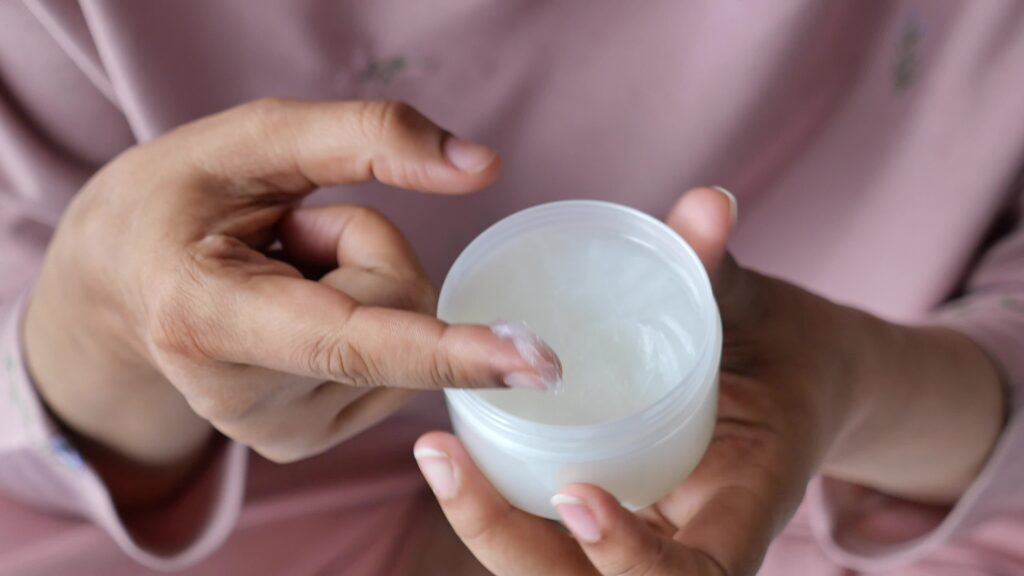
Standing at the pharmacy shelf with a sore lower back, you face dozens of tubs, sticks, and tins that all promise relief. Choosing a natural balm for soothing back tension takes more than picking the nicest label. Ingredients, strength, skin safety, and honest labeling all matter. This guide walks you through what to check before you buy, so your balm actually fits your needs.
What a Muscle Pain Balm Can and Cannot Do
A muscle pain balm is a topical product, usually a wax-and-oil base blended with active or aromatic ingredients, that you rub into the skin over a sore area. Most work as counterirritants. They create a cooling or warming sensation that competes with the feeling of soreness, which can make an aching muscle easier to live with for a while.
That distinction matters when you shop. A balm does not repair strained fibers, release a pinched nerve, or treat the cause of ongoing back trouble. It suits mild, everyday aches, such as stiffness after a long drive or soreness after a weekend of yard work.
Keeping that expectation realistic helps you judge products by what they can reasonably deliver, rather than by bold promises on the packaging.
Check the Active Ingredients First
Flip the tin over before you read the front. The ingredient list tells you far more than the marketing copy, and a handful of ingredients do most of the work in muscle balms.
Menthol and Camphor
Menthol comes from mint oils (or is made synthetically) and stimulates cold-sensing nerves, which is why it feels icy without actually lowering your skin temperature. Camphor produces a similar cool-to-warm tingle with a sharp, medicinal scent.
Together they form the backbone of many classic rubs. Both are potent, so keep camphor-containing products away from children and never swallow them.
Methyl Salicylate (Wintergreen)
Methyl salicylate delivers the familiar wintergreen smell and a gentle warming effect. It is chemically related to aspirin, and small amounts can absorb through the skin.
If you take a blood thinner such as warfarin, or you are allergic to aspirin, ask a pharmacist before using a product that contains it.
Capsaicin
Capsaicin is the compound that makes chili peppers hot. In a balm, its warmth builds slowly and can sting at first.
Wash your hands thoroughly afterward, keep it away from your eyes, and avoid applying it right before a hot shower, since hot water can intensify the burning sensation.
Botanical Extras Such as Arnica
Arnica, eucalyptus, rosemary, and ginger often appear in gentler formulas. Research on arnica for muscle soreness is limited and mixed, so treat it as a pleasant extra rather than the reason to buy.
People sensitive to daisy-family plants can react to arnica, and it should never go on broken skin.
What “Natural” Does and Does Not Promise
A natural balm can be a smart choice, especially if you prefer plant-based waxes and butters and fewer synthetic fragrances. Still, the word “natural” has no single strict definition on most personal-care labels. It describes marketing, not strength or safety.
Plant-derived does not mean gentle. Peppermint, wintergreen, and camphor oils are concentrated, and they can irritate skin or trigger allergic reactions just as their synthetic counterparts can.
Look at the base as well. Beeswax, shea butter, coconut oil, and jojoba oil carry the active ingredients and affect how the balm spreads. If you react to coconut or tree-nut oils, or you avoid animal products such as beeswax, check for them before buying.
A useful rule: favor labels that name each botanical specifically, such as peppermint leaf oil, over vague entries like “fragrance” or “essential oil blend.”
Why Strength Deserves Your Attention
Many shoppers assume a stronger balm works better. The safety record suggests more caution. In 2012, the FDA warned that over-the-counter muscle and joint pain relievers containing menthol, methyl salicylate, or capsaicin have caused rare chemical burns ranging from first to third degree, some requiring hospitalization.
The numbers were small. The agency identified 43 burn reports in its adverse event database covering 1969 to April 2011. Most of the serious burns involved products with menthol as the only active ingredient, or menthol and methyl salicylate combinations above roughly 3 percent menthol and 10 percent methyl salicylate.
Rare is not the same as impossible. The FDA noted that there is no way to predict who will react this way, and in several cases the problem appeared after a single application, with severe burning or blistering within 24 hours.
In practice, this means:
- Choose a moderate-strength product the first time.
- Test it on a small patch of skin, such as the inner forearm, and wait several hours (ideally a day) before applying it to a large area.
- Stop at once if you notice pain, swelling, or blistering.
The FDA also advised against using these products on wounds or damaged, broken, or irritated skin. It also advised against tight bandaging and local heat from heating pads, lamps, or hot water bottles over the treated area, since both raise the risk of serious burns.
How to Read the Label Before You Buy
Labels reveal how a product is regulated and how much information the maker is willing to share. A few details are worth checking every time.
The Drug Facts panel. Balms sold as over-the-counter pain relievers usually carry one. It lists active ingredients with percentages, uses, warnings, and directions. Products sold as body care or cosmetics often list ingredients only. That is not automatically a red flag, but it makes strength harder to judge.
Directions and age limits. Look for how often you can apply the product and who should not use it.
Warnings. Phrases such as “for external use only” and “do not use on wounds” should appear plainly.
Expiration or batch information. An old balm may not behave the way it was formulated, so avoid products that have sat on shelves or in drawers for years.
Company details. A brand that prints a real contact address or customer-service line is easier to hold accountable if something goes wrong.
Matching the Balm to Your Situation
The best product depends on where and why you hurt. A few common scenarios show how the same checklist leads to different choices.
For a stiff lower back after lifting or gardening, a moderate cooling-and-warming blend works well. Reaching the area is the real challenge, so a stick or roll-on applicator is easier than a tin, unless a partner can help.
For upper-back and neck tension from desk work, consider scent. Strong menthol can linger in an office and bother coworkers, so a milder or lightly scented formula may suit the setting.
For sore legs after a workout, you will cover a larger area. A softer salve spreads more easily than a firm balm, and a gentler formula makes sense for repeated use.
For sensitive skin, favor a short ingredient list, minimal fragrance, and lower concentrations. Patch testing matters most here.
The table below compares the ingredients you are most likely to meet.
Common Balm Ingredients at a Glance
| Ingredient | Typical Sensation | Often Used For | Watch Out For |
|---|---|---|---|
| Menthol | Cooling, tingling | Tight, achy muscles | Higher strengths linked to burns; avoid broken skin |
| Camphor | Cool-to-warm tingle | General soreness | Keep away from children; never swallow |
| Methyl salicylate | Warming, wintergreen scent | Stiffness after activity | Caution with blood thinners or aspirin allergy |
| Capsaicin | Slow-building heat | Persistent, mild aches | Stings at first; avoid eyes and hot showers |
| Eucalyptus or peppermint oil | Fresh, cooling scent | Light, aromatic support | Can irritate skin; concentrated oils |
| Arnica | Little to no sensation | Gentle, add-on ingredient | Mixed evidence; allergy risk; never on broken skin |
Use the table to compare products, not to build your own formula. A balm with two or three well-chosen actives is usually easier to evaluate than one with a long list of extras.
Texture, Scent, and Packaging Details That Affect Daily Use
Small practical details decide whether you keep using a product. A firm balm needs warming between your fingers and takes some effort to spread. A softer salve glides on easily but can feel greasy under clothing.
Sticks and rollers keep your hands clean, which matters if you apply the product before work. With a tin, scoop with clean, dry fingers to keep the balm free of bacteria and moisture.
Scent deserves a second look too. Intense mint or wintergreen can feel overwhelming in a small room. Some essential oils can also be harmful to pets, especially cats, so store the balm out of reach and ventilate when you apply it.
For packaging, a tight lid and an opaque tin or glass jar help protect the oils from light and air. Keep it in a cool place, since a balm left in a hot car will soften and may separate.
Who Should Check With a Professional First
Over-the-counter does not mean right for everyone. Talk to a pharmacist or clinician first if you are pregnant or nursing, if you are choosing for a young child, or if you take blood thinners or have an aspirin allergy. The same goes for anyone with eczema, psoriasis, or other skin conditions, or recent surgery near the sore area.
Back pain also has warning signs that a balm cannot address. See a clinician promptly if you notice:
- numbness or weakness in your legs
- pain after a fall or injury
- fever alongside the pain
- trouble controlling your bladder or bowels
- pain that wakes you at night or fails to improve after a couple of weeks
A balm can ease mild muscle soreness, but it should never delay a proper evaluation.
Using Your Balm Safely and Getting Fair Value
Good habits protect you after you buy. Apply a thin layer to clean, intact skin and rub it in gently. Wash your hands afterward, or use an applicator, and keep the product away from your eyes and other sensitive areas. Skip the heating pad and tight wraps, and do not apply right before a hot shower.
On price, compare cost per ounce, but do not stop there. A small, pricier tin with a clear ingredient list and stated strength can beat a large, cheap tub that mostly delivers fragrance. Starting with a small size lets you test how your skin responds before committing, and a clear return policy is a useful bonus.
Finally, be patient with realistic expectations. If a product does nothing after a fair trial, switching is better than applying more.
Conclusion
The best muscle balm is the one that matches your needs, your skin, and your comfort level with strength. Start by reading the active ingredients, then check the concentration, label details, and base ingredients. Remember that a natural balm is not automatically mild, and that stronger is not automatically better.
Patch test before regular use, avoid heat and tight wraps, and stop at the first sign of burning or blistering. If pain lingers or comes with warning signs, see a professional. A thoughtful purchase gives you the best chance of simple, safe relief.
Frequently Asked Questions
1. Is a natural balm as effective as a conventional rub?
Effectiveness depends on the active ingredients and how much of them the product contains, not on the “natural” label. Plant-derived menthol, camphor, and wintergreen oil work the same way as synthetic versions, and either type can irritate skin.
2. Can I use a balm with a heating pad?
No. The FDA advises against applying heat over areas treated with these products because it increases the risk of serious burns.
3. How often can I apply a muscle pain balm?
Follow the directions on the label. Frequency and age limits differ between products, and a product without clear directions deserves extra caution.
4. How do I patch test a new balm?
Rub a small amount on your inner forearm and wait several hours, ideally 24, watching for redness, itching, burning, or swelling. If any appear, wash the area and do not use the product.
5. When should I stop using a balm and see a doctor?
Stop immediately if you develop burning pain, blistering, swelling, or a rash. See a clinician if your pain continues for more than a couple of weeks, or if it comes with numbness, weakness, fever, or a recent injury.