
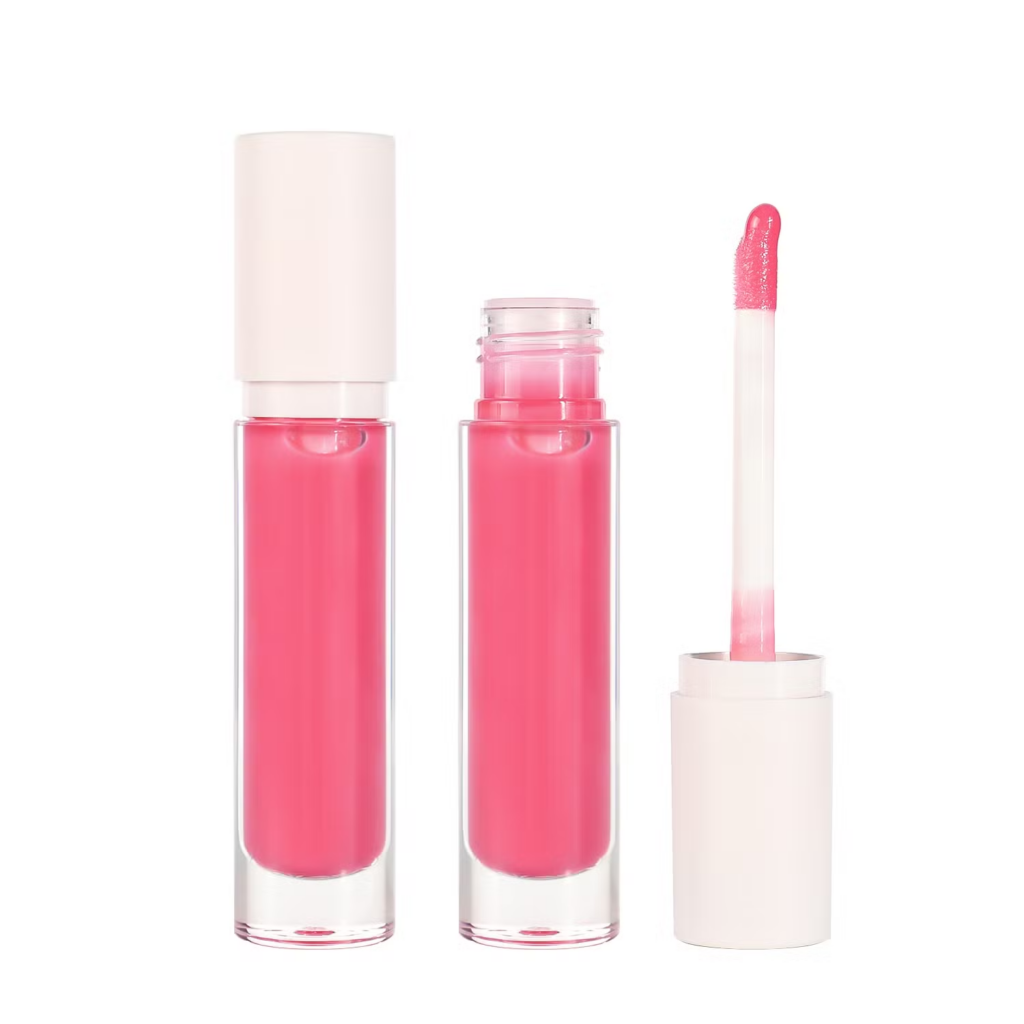
You love your lipstick color, but the finish feels flat, and you wonder whether a swipe of gloss on top would fix it. The short answer is yes, and the technique is simpler than most people expect. Layering lets you add shine, depth, and even a hint of sparkle, and metallic lip glosses are one of the most popular ways to do it. Here is how to layer well, what to avoid, and when to leave it alone.
What Happens When You Layer Gloss Over Lipstick
Lipstick and gloss do different jobs. Lipstick carries most of the pigment, along with waxes and oils that give it structure. Gloss is built mostly from emollient oils and polymers that stay soft and reflect light, which is why it looks wet.
When you apply gloss over lipstick, it sits on top as a thin, shiny layer. The lipstick color stays visible underneath, but the surface changes. Matte becomes dewy, creamy becomes glassy, and a flat shade gains dimension.
The result depends on how much gloss you use and how the two formulas interact. A small amount usually blends in. Too much can loosen the lipstick edge and drag color past your lip line. That is why technique matters more than the yes-or-no answer.
Why Layering Works So Well
Shine is the obvious benefit, but it is not the only one. Gloss softens the look of a heavy lipstick, which helps when a bold shade feels too severe for daytime. It also makes lips look fuller, because light reflecting off the center of the lip suggests volume.
Comfort is another reason. Many matte formulas feel dry after a few hours, and a thin layer of a moisturizing gloss makes them far more wearable. If you own a lipstick you rarely reach for because the finish bores you, a different gloss on top can give it a second life.
Layering also lets you customize color. A clear gloss keeps the lipstick shade true, while a tinted or shimmery one shifts it. A berry lipstick under a pink gloss looks brighter, for example, and a nude under a gold-toned gloss looks warmer.
Matching Gloss to Your Lipstick Finish
Not every lipstick behaves the same way under gloss. The finish decides how forgiving the pairing will be, so it helps to think in terms of formula rather than shade.
Gloss Over Matte Lipstick
Matte lipsticks are the most popular candidates for layering because the contrast is dramatic. Apply gloss only to the center of the lips instead of edge to edge. This keeps the crisp border of the matte color while adding a soft highlight where light naturally hits.
Press your lips together once to spread the product, then stop. Going back for more is how a polished look turns into a sticky one.
Gloss Over Cream and Satin Lipsticks
These formulas already have some slip, so they need the least gloss. A sheer, lightweight layer is plenty. Because creamy lipsticks can slide when they meet extra oil, use light pressure and choose a gloss that is not heavy or tacky.
Gloss Over Liquid and Long-Wear Lipsticks
This is the trickiest combination. Many long-wear liquid lipsticks dry down into a thin film designed to resist transfer. The oils in a gloss can soften that film, which may leave the color looking patchy or cause it to wear away faster.
If you want to try it, let the lipstick dry completely first and wait a few minutes. Then test a small dab in the center of the lips. Some brands sell a matching topcoat made for their own formula, and using it is usually the safest route.
Where Metallic and Shimmer Finishes Fit
Metallic glosses use reflective pigments, often mica-based or finely milled glitter, to create a foil-like or liquid-metal effect. Unlike a clear gloss, they add color and sparkle along with shine, so they change the lipstick underneath more noticeably.
Pairing is easiest when the undertones relate. Gold and bronze metallics suit warm browns, terracottas, and nudes. Silver, champagne, and pewter look sharper over cool berries, plums, and mauves. Rose gold sits in the middle and flatters a wide range of pinks.
For a subtle effect, choose a sheer metallic and dab it on the center of the lower lip. For a bolder one, layer it over a deep shade such as plum or burgundy, where the metallic gleam shows up clearly. Over a pale lipstick, strong metallic pigment can look chalky or overpower the base color, so a lighter hand works better.
One practical note: larger glitter particles can feel gritty and may settle into lip lines. Smoother, finely milled pigments tend to feel better on the lips. Test the texture on the back of your hand before you commit.
How to Layer Gloss Over Lipstick Step by Step
The order of application matters as much as the products. This sequence keeps color in place and the shine even.
- Prep the lips. If they are flaky, exfoliate gently, then apply a thin layer of balm. Wait a few minutes and blot away any excess so the lipstick has a smooth surface to grip.
- Apply the lipstick. Use a lip liner in a matching shade to define the edges if you want extra precision. Fill in the color evenly.
- Blot with a tissue. This removes surface oil and helps the lipstick settle before gloss goes on top.
- Add gloss to the center. Use the applicator or a fingertip and start with a small amount. Build up only if you want more shine.
- Check the edges. Press your lips together, look in a mirror, and clean up any stray gloss with a cotton swab.
Applying gloss before lipstick rarely works well. The slick base prevents the lipstick from adhering evenly, so the color tends to look streaky.
Lipstick and Gloss Pairing Guide at a Glance
Different formulas call for different handling. The table below sums up what usually works for each lipstick type, so you can pick a gloss and amount without trial and error.
| Lipstick type | Best gloss style | How much to use | What to watch for |
|---|---|---|---|
| Matte | Clear, tinted, or sheer metallic | A small dab on the center of the lips | Gloss at the edges can blur the crisp outline |
| Cream or satin | Lightweight, non-sticky gloss | One thin layer | Extra oil can make the color slide |
| Liquid, long-wear | Brand-matched topcoat or very light gloss | A tiny test dab after full dry-down | Oils may break down the dried film |
| Deep or dark shades | Metallic or shimmer gloss | Center of the lower lip | Heavy glitter can look gritty |
| Pale nudes and pinks | Clear or soft-tint gloss | Light layer only | Strong metallics can look chalky |
Mistakes That Make the Look Go Wrong
The most common mistake is using too much product. A heavy coat of gloss over lipstick pulls the color around and creates a messy edge. Start with less than you think you need, because you can always add more.
Another problem is applying gloss all the way to the lip line. Gloss is more fluid than lipstick, so it tends to creep into fine lines around the mouth. Keeping it toward the center prevents feathering and keeps the outline neat.
Sticky, thick formulas are a third trap. They catch hair, attract dust, and drag at the lipstick underneath when you press your lips together. If your gloss feels tacky, choose a lighter one for layering and save the thick one for wearing alone.
Finally, mismatched undertones can make a lipstick look muddy. An icy silver metallic over a warm orange lipstick, for example, can look dull instead of bright. Hold the two products side by side before you layer them, or swatch both on your hand.
Keeping the Look in Place
Let the lipstick set for a minute or two before you add gloss. That short pause helps the color bond with your lips and reduces smudging. A liner worn as a base across the whole lip gives the lipstick something extra to cling to.
When the shine fades during the day, reapply only the gloss. Adding more lipstick on top of old gloss often looks uneven, while a quick touch-up of gloss refreshes the effect without disturbing the color. Blot first if the surface feels heavy.
It also helps to keep your gloss clean. Wipe the applicator if it picks up lipstick pigment, and avoid sharing lip products. At the end of the day, remove everything with a balm or oil-based cleanser, since long-wear color and glossy layers can resist plain water.
When It Is Better to Skip the Gloss
Gloss is not right for every situation. On a windy day, loose hair sticks to it and ruins the look. In very warm or humid weather, the layer can slip and carry lipstick with it.
If you paid for a transfer-proof formula specifically for its staying power, adding gloss may defeat the purpose. The same goes for events where you will be eating, drinking, or hugging people for hours. In those cases, a satin or cream lipstick on its own often gives a comfortable glow without the upkeep.
Conclusion
Putting gloss over lipstick is a simple way to change a finish without buying a new shade. The key points are using a small amount, keeping it toward the center of the lips, and matching the gloss to your lipstick formula. Matte and cream lipsticks handle layering well, while liquid long-wear formulas need extra care. Sheer shimmer adds a flattering sparkle when the undertones agree. Try one combination from the table at home first, see how it wears, and adjust from there. A little experimenting usually leads to a look you will keep repeating.
Frequently Asked Questions
Can I put gloss over matte lipstick without ruining it?
Yes. Apply a small amount to the center of the lips and avoid the edges. This keeps the matte outline sharp while adding shine where you want it.
Should lip gloss go on before or after lipstick?
After. Gloss under lipstick creates a slippery surface, so the color usually applies unevenly. Apply lipstick first, let it settle, and then add gloss.
Will gloss make my lipstick fade faster?
It can, because the oils in gloss soften the lipstick layer. A thin application, a light formula, and a short wait after applying lipstick all help the color last longer.
Do I need lip liner when layering gloss over lipstick?
It is not required, but it helps. A liner in a matching shade gives the lipstick a firm edge and acts as a base, which reduces feathering when gloss is added.
How do I remove lipstick and gloss together?
Use a balm or an oil-based makeup remover on a cotton pad. Press it against your lips for a few seconds to loosen the layers, then wipe gently and rinse your lips with water.