
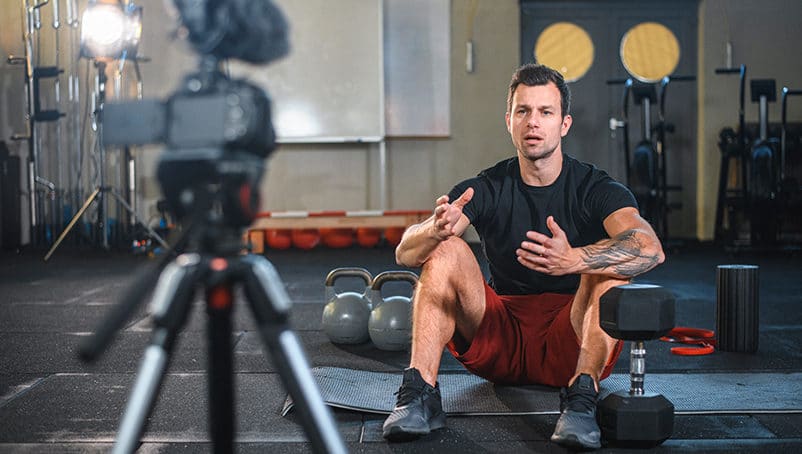
You have a goal, a phone, and a dozen coaching profiles that all promise results. Choosing between them can feel harder than the workouts themselves. A Certified Online Fitness Trainer can provide structure, accountability, and safe progression without a gym commute, but only when the match is right. This guide explains how to define your goal, check credentials, compare coaching formats, spot red flags, and test a coach before you commit.
Define What You Want Before You Compare Trainers
Trainers are not interchangeable. A coach who excels at preparing marathon runners may not be the best person to guide a beginner through their first strength program. Before you scroll through websites, write down what you want to change and by when.
Match the Goal to the Skill Set
Different goals call for different expertise. If you want to lose body fat and keep it off, look for someone who builds sustainable habits around training, daily movement, and eating patterns rather than quick fixes. If you want to build muscle or get stronger, look for a coach who can explain progressive overload, which simply means gradually increasing the demands on your body over time.
Endurance goals, such as a half marathon or a cycling event, benefit from a coach who understands periodization, the practice of organizing training into phases. People who are older, pregnant, postpartum, or returning from injury should look for a trainer with relevant specialty education and a willingness to coordinate with their healthcare provider.
Be Honest About Your Starting Point
Your current situation shapes which trainer will work. Consider your experience level, available equipment, weekly schedule, injury history, and how much outside accountability you need.
Here is a realistic example. A parent who can train three mornings a week for 30 minutes with a pair of dumbbells needs a very different plan from someone with a full home gym and an hour a day. A good coach designs around your life. A weak one hands you the same template they give everyone.
Credentials That Separate Qualified Coaches From Enthusiasts
In the United States, there is no federal license required to call yourself a personal trainer. That makes certifications the most practical starting point for screening candidates. A certification shows that a trainer has studied exercise science basics, safety, and program design, and passed an exam.
The quality of certifications varies. Many reputable programs are accredited by the National Commission for Certifying Agencies (NCCA), an independent body that reviews how certifications are developed and assessed. Well-known organizations include the National Academy of Sports Medicine (NASM), the American Council on Exercise (ACE), the American College of Sports Medicine (ACSM), and the National Strength and Conditioning Association (NSCA). A weekend course with an instant certificate is a much weaker signal.
Verify Instead of Assuming
Do not rely on a logo on a website. Ask which certification the trainer holds, then check whether the issuing organization lists certified professionals or confirms credentials on request. Also ask whether their CPR and AED certification is current, since a coach should know how to respond in an emergency even when working remotely.
A college degree in exercise science, kinesiology, or a related field is a plus, though not a requirement for a good coach.
Specialty Education and Its Limits
Specialty credentials in areas such as strength and conditioning, corrective exercise, or training older adults can show deeper knowledge. Nutrition is more complicated. General healthy-eating guidance is common among trainers, but rules about individualized nutrition advice differ from state to state. If you have diabetes, kidney disease, an eating disorder, or another medical condition, work with a registered dietitian and your physician rather than relying on a fitness coach alone.
Experience With People Like You
Credentials show knowledge, but experience shows application. Ask how long the trainer has coached remotely and whether they have worked with clients who share your goal, age range, or limitations. Client testimonials can help, but treat dramatic before-and-after photos cautiously, since they rarely show how typical results look.
Coaching Formats: Which One Fits How You Learn?
Remote coaching comes in several formats. The right one depends on how much guidance, feedback, and accountability you need.
Live One-on-One Video Sessions
You train over video while the coach watches your form and adjusts exercises in real time. This format is ideal for beginners, people with past injuries, and anyone who wants immediate feedback. It usually costs more, and you need a stable internet connection and a space where the camera can see you move.
Personalized Programs With Regular Check-Ins
The coach designs your plan, you complete workouts on your own schedule, and you submit form videos or progress updates. Check-ins happen weekly or every two weeks. This approach suits self-motivated people with some training experience and unpredictable schedules. The trade-off is that you must be disciplined about reporting and asking questions.
Small Group or Hybrid Options
Some coaches run group sessions or combine occasional live calls with app-based programming. Groups can lower costs and add social motivation, but you get less individual attention. Hybrid setups work well when you want periodic form checks without paying for every session.
A Quick Evaluation Table for Comparing Trainers
When you are weighing two or three coaches, a side-by-side checklist keeps the decision grounded. The table below summarizes what to look for and what should make you cautious.
| Factor | What to Look For | Warning Sign |
|---|---|---|
| Certification | Recognized, ideally NCCA-accredited, credential you can verify | Vague claims such as certified by experts, no organization named |
| Program design | Plans based on your goals, schedule, equipment, and history | Identical template given to every client |
| Communication | Clear response times and a defined check-in routine | Slow replies or no feedback on your form |
| Form coaching | Cues, video review, and exercise modifications | Only a list of exercises with no guidance |
| Progress tracking | Measurable markers such as strength, endurance, or measurements | Focus on the scale alone or on dramatic short-term change |
| Pricing | Transparent rates and a clear cancellation policy | Hidden fees or pressure to pay for months upfront |
| Health awareness | Intake questionnaire and willingness to work with your doctor | Ignores injuries or medical conditions |
You do not need a perfect score in every row. Safety, communication, and personalization matter most, so weigh those more heavily than a polished social media presence.
Questions Worth Asking on a Consultation Call
Most coaches offer a free intro call. Treat it as an interview, not a sales pitch. Prepare a few direct questions and notice how the trainer answers.
Ask how they would structure your first four weeks, how they adjust a plan when a client misses workouts, and how they handle pain or injury concerns. Ask what a typical week of communication looks like and how quickly they respond to messages. If you have a specific limitation, such as a bad knee or limited equipment, ask for an example of how they have adapted training for someone similar.
Pay attention to listening as well. A strong coach asks about your history, preferences, and obstacles before proposing anything. If the call is mostly about their packages, that tells you where their priorities sit.
Red Flags That Should Make You Walk Away
Some warning signs are obvious. Others are easy to miss when a coach is charming and the marketing is slick.
Be cautious if a trainer guarantees specific results by a specific date, since bodies respond at different rates. Be wary of extreme calorie restriction, banned food groups, or pressure to buy supplements the coach profits from. Avoid anyone who dismisses pain as something to push through, discourages you from seeing a doctor, or shames you about your body.
Also pay attention to business practices. High-pressure deadlines, such as an offer that expires in an hour, and refusal to explain pricing in writing are signs of a sales-first operation rather than a coaching-first one.
What to Expect on Cost and Value
Pricing for remote coaching varies widely based on the coach’s experience, the level of personalization, and how much live contact is included. Group programs and app-based plans generally cost less than private live sessions, and fully customized coaching with frequent check-ins sits at the higher end.
Instead of chasing the lowest price, compare what you actually receive: live time, program updates, form reviews, message access, and any nutrition guidance. Ask whether there is a contract, a minimum commitment, or a refund policy. A flexible month-to-month option is a good way to start, even if the monthly rate is slightly higher.
Test the Fit During the First Month
Treat the first four weeks as a trial. By the end, you should have a clear plan, understand why each exercise is included, and feel comfortable asking questions. Workouts should feel challenging but manageable, not punishing.
Track simple signals. Are you completing most sessions? Is your technique improving? Do you have more energy, better strength numbers, or improved endurance? Progress takes time, but you should see that the coach responds to your feedback and adjusts the program when something is not working. If communication fades or the plan never changes, it is reasonable to switch.
When to Talk to Your Doctor First
Check with a physician before starting a new program if you have heart or lung conditions, diabetes, high blood pressure, joint problems, are pregnant or recently postpartum, or have not exercised in a long time. A reputable coach will ask about these things during intake and will welcome medical input. Sharing your doctor’s guidance with your trainer helps them design a program that is safe and effective from the start.
Conclusion
The best coach is the one who fits your goals, your schedule, and your personality, and who has the training to keep you safe. Start by defining what you want, verify credentials from recognized organizations, and choose a coaching format that matches how much feedback you need. Use consultation calls to test communication, and watch for red flags around guarantees, extreme dieting, and pressure tactics. Give the first month a fair trial, and do not hesitate to adjust if the match is off. Choosing carefully now saves time, money, and frustration later.
Frequently Asked Questions
Is online training as effective as in-person training?
It can be, particularly when the coach provides personalized programming, form feedback, and regular accountability. In-person training offers hands-on correction, while remote coaching offers flexibility and often lower cost. Results depend more on consistency and quality of coaching than on location.
How long does it take to see results with a remote coach?
It varies by goal, starting point, and consistency. Many people notice improved energy and technique within a few weeks, while visible changes in strength or body composition typically take longer. Be skeptical of any coach who promises fast, guaranteed outcomes.
Do I need gym equipment to work with an online trainer?
Not necessarily. A capable coach can design effective plans around bodyweight exercises, resistance bands, dumbbells, or a full gym. Tell your trainer what you have so the program fits your space and budget.
Can a trainer help if I am a complete beginner?
Yes. Beginners often benefit most from guidance on form, pacing, and realistic expectations. Look for a coach who offers live video sessions or detailed form feedback in the early weeks.
How do I know when it is time to change trainers?
Consider switching if communication becomes inconsistent, your program stops evolving, you are repeatedly in pain, or you feel pressured or judged. A good coach will welcome honest feedback and make adjustments before you reach that point.