
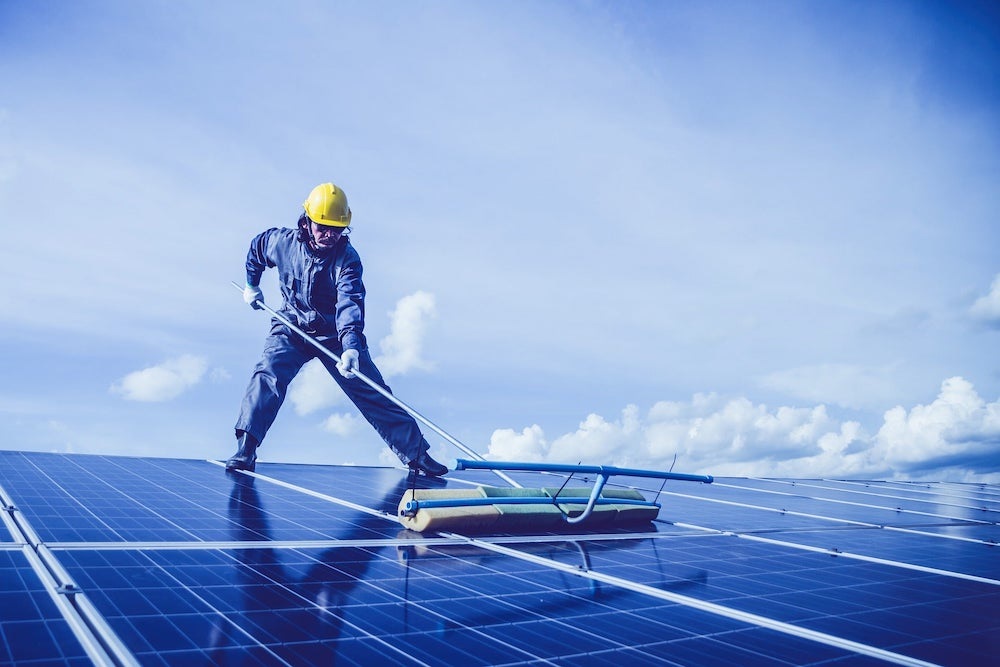
Dirty solar panels can quietly reduce energy production while creating safety concerns that homeowners may overlook. Although cleaning them yourself may seem simple, the wrong tools, methods, or timing can damage delicate components or put you at risk. For many property owners, hiring a Solar panel cleaning company provides a safer and more thorough approach. Professional cleaning combines the right equipment, experience, and procedures to keep panels performing reliably.
Why Clean Solar Panels Matter
Solar panels work by converting sunlight into electricity. When dust, pollen, bird droppings, leaves, or other debris cover their surfaces, less sunlight may reach the photovoltaic cells.
The effect varies depending on the amount and type of buildup, panel design, weather, and installation conditions. Even when the reduction in production is not immediately noticeable, regular maintenance can help keep the system in good operating condition.
Common Sources of Panel Dirt
Solar panels can collect different types of debris throughout the year, including:
- Dust and airborne particles
- Pollen and plant debris
- Bird droppings
- Leaves and small branches
- Water spots and mineral deposits
- Smoke or pollution residue
- Mud after rain
Some contaminants are easy to rinse away, while others require careful cleaning techniques. Bird droppings and hardened deposits, for example, may require more attention than loose dust.
The Risks of DIY Solar Panel Cleaning
Cleaning panels yourself is not necessarily impossible, but it can involve risks that are easy to underestimate. A homeowner may have limited experience with rooftop access, electrical equipment, or appropriate cleaning methods.
A simple mistake can lead to personal injury, scratched glass, damaged components, or water entering areas where it should not.
Working at Height Creates Safety Concerns
Many solar systems are installed on rooftops. Reaching them may require ladders, roof access, and movement across sloped or uneven surfaces.
Wet panels and roofing materials can become slippery. Without appropriate fall-protection equipment and experience, a cleaning task can become a serious safety hazard.
Incorrect Cleaning Tools Can Cause Damage
Not every household cleaning tool is suitable for solar panels. Abrasive brushes, rough sponges, harsh chemicals, and excessive pressure can potentially damage the panel surface or protective coatings.
Professional technicians generally select equipment based on the panel condition and installation. This helps reduce unnecessary contact and prevents cleaning from becoming a source of avoidable damage.
Water Quality Can Also Matter
Hard water can leave mineral deposits after drying. These spots may become more noticeable over time and can make panels appear dirty even after washing.
Professionals may use appropriate water treatment or cleaning methods when conditions call for them. The goal is not simply to make the panels look clean but to clean them without leaving unnecessary residue.
Why Professional Cleaning Offers an Advantage
Professional service is about more than spraying water over the panel surface. Experienced technicians can assess the installation, identify problem areas, choose suitable tools, and work with safety procedures designed for the job.
For homeowners who do not have the proper equipment or rooftop experience, this can make professional maintenance a practical option.
Professionals Know What to Look For
While cleaning, trained technicians may notice visible issues such as:
- Cracked or damaged panel surfaces
- Loose or exposed wiring
- Heavy debris buildup
- Discoloration
- Corrosion around accessible components
- Obvious signs of wear
- Areas where water or debris is accumulating
Cleaning does not replace a professional electrical inspection. However, visible abnormalities can sometimes be identified during routine maintenance and brought to the property owner’s attention.
Professional Equipment Supports Better Results
A professional team can bring purpose-built brushes, poles, water systems, safety equipment, and other tools needed for different installations.
This matters because solar panels can be located in difficult-to-reach areas. Having suitable equipment allows technicians to clean more consistently without relying on improvised household tools.
Professional vs. DIY Solar Panel Cleaning
The difference between DIY work and professional service becomes clearer when you consider safety, equipment, cleaning quality, and time.
| Factor | DIY Cleaning | Professional Cleaning |
|---|
| Safety | Homeowner manages the risks | Trained workers follow job-specific safety practices |
| Equipment | Often uses household tools | Uses equipment designed for panel maintenance |
| Rooftop access | Can be difficult or hazardous | Technicians are experienced with access challenges |
| Cleaning method | Depends on homeowner knowledge | Based on panel condition and cleaning requirements |
| Time | May take longer | Usually handled as a dedicated maintenance task |
| Inspection | Limited to what the homeowner notices | Technicians can identify visible maintenance concerns |
| Water and residue control | Depends on available water | Professionals can use suitable cleaning methods |
| Convenience | Requires personal time and effort | Outsourced to a service provider |
The right choice depends on the property’s layout, panel accessibility, homeowner experience, and maintenance needs. However, professional cleaning can reduce the practical and safety challenges associated with rooftop work.
How Professional Solar Panel Cleaning Works
A professional cleaning visit typically begins with an assessment of the panels and surrounding area. Technicians can identify the type and level of buildup before selecting an appropriate cleaning method.
The panels are then cleaned using suitable equipment and techniques. Depending on the installation, technicians may use soft brushes, specialized poles, controlled water flow, or other appropriate tools.
Assessment Comes Before Cleaning
A careful assessment helps determine whether the panels need light dust removal or more detailed cleaning. It can also reveal obstacles such as heavy bird droppings, leaves, or stubborn deposits.
This approach is more controlled than immediately applying soap, pressure, or abrasive tools.
Cleaning Should Be Gentle and Consistent
Solar panels have protective surfaces that should be treated carefully. Professional Solar panel cleaning focuses on removing contaminants without unnecessary abrasion or excessive force.
Technicians can also pay attention to edges, frames, and difficult-to-reach areas where debris may accumulate.
The Final Check Matters
After cleaning, technicians can visually check the panels to make sure major buildup has been removed. They may also look for obvious signs of physical damage or other concerns that deserve further attention.
A final check helps ensure the maintenance job addresses more than just the most visible dirt.
When DIY Cleaning May Seem Reasonable
Not every solar panel installation presents the same challenges. Ground-mounted panels or systems that can be safely reached from ground level may be easier for homeowners to maintain.
Even then, the cleaning method should remain gentle. Homeowners should follow the panel manufacturer’s maintenance recommendations and avoid products or tools that could damage the surface.
Consider the Location First
Before attempting any cleaning, consider whether you can safely reach every panel without climbing onto a roof or using unstable equipment.
If safe access is not straightforward, professional service may remove a significant risk from the task.
Check the Manufacturer’s Guidance
Panel manufacturers may provide specific instructions about cleaning products, water temperature, tools, and maintenance procedures.
Following those recommendations is important because warranties and equipment specifications can vary.
How to Choose a Solar Panel Cleaning Company
Choosing a service provider deserves as much attention as choosing the cleaning method. Look for a company that understands solar installations and can explain how it approaches safety and panel care.
Ask About Cleaning Methods
Before scheduling service, ask what tools and cleaning solutions the company uses. A reputable provider should be able to explain its process clearly instead of giving vague answers.
You can also ask how the company handles stubborn deposits, hard water, rooftop access, and difficult installations.
Confirm Safety Practices
Safety should be a central part of any rooftop maintenance service. Ask whether technicians have appropriate training and equipment for working at height.
This is particularly important for homes with steep roofs, multiple stories, or difficult access points.
Look for Clear Service Details
A professional provider should clearly explain what the service includes. Depending on the company, the package may cover cleaning, visual checks, before-and-after observations, or recommendations for additional maintenance.
Clear expectations can help prevent misunderstandings about what the service does and does not cover.
How Often Should Solar Panels Be Cleaned?
There is no universal cleaning schedule for every solar installation. Local weather, dust levels, nearby trees, rainfall, bird activity, panel angle, and surrounding environmental conditions all influence how quickly panels become dirty.
Homes in dry or dusty areas may experience faster buildup than properties that receive regular rainfall. Similarly, panels beneath trees may collect more leaves and organic debris.
Watch for Signs of Buildup
Property owners can monitor their panels for visible dirt and changes in system performance. If production appears lower than expected and other possible causes have been ruled out, professional maintenance may be worth considering.
Routine observation helps homeowners identify maintenance needs before heavy buildup becomes a persistent issue.
Practical Tips for Solar Panel Maintenance
Professional cleaning can be part of a broader maintenance routine. Between service visits, homeowners can take several simple steps to monitor their system.
- Check panels visually from a safe location.
- Keep nearby trees properly maintained where appropriate.
- Watch for unusual changes in energy production.
- Look for visible debris after storms.
- Follow the manufacturer’s maintenance instructions.
- Avoid abrasive household cleaning products.
- Never take unnecessary rooftop risks.
- Contact a qualified professional when access or cleaning conditions are unsafe.
These habits can help property owners stay aware of their system without turning routine maintenance into a hazardous DIY project.
The Cost of DIY vs. Professional Service
DIY cleaning may appear cheaper because there is no service fee. However, the actual cost can include cleaning tools, ladders, specialized equipment, time, and potential repairs if something goes wrong.
Professional service involves an upfront expense, but it also provides trained labor and appropriate equipment. For homeowners who cannot safely access their panels, the convenience and reduced personal risk may be important considerations.
The most useful comparison is therefore not simply the price of cleaning. It is the overall cost, effort, safety, and potential risk associated with each approach.
When Professional Cleaning Makes More Sense
Professional cleaning can be especially useful when panels are:
- Installed on a steep or tall roof
- Difficult to reach safely
- Covered with stubborn bird droppings
- Located in a dusty environment
- Surrounded by trees
- Showing heavy or persistent buildup
- Part of a large residential or commercial installation
In these situations, the job may require equipment and experience that most homeowners do not keep available.
Conclusion
DIY solar panel cleaning may look like a straightforward household task, but rooftop access, unsuitable tools, hard-water residue, and accidental damage can create unnecessary problems. Professional cleaning provides a more controlled approach by combining appropriate equipment, trained workers, and job-specific safety practices. Regular Solar panel cleaning can help keep panels free from common debris while giving property owners an opportunity to notice visible maintenance concerns. Before choosing a cleaning method, consider the panel location, accessibility, buildup, and manufacturer recommendations. When the work involves significant height or difficult access, hiring a qualified professional can make maintenance safer and more convenient.
FAQs
Is professional solar panel cleaning safer than DIY cleaning?
Yes. Professional cleaning can be safer, especially when panels are installed on rooftops or other difficult-to-reach areas. Trained technicians have appropriate equipment and experience for working around elevated solar installations.
Can dirty solar panels reduce energy production?
Yes. Dust, pollen, bird droppings, leaves, and other debris can block sunlight from reaching the panel surface. The actual effect depends on the amount and type of buildup, weather conditions, and the system’s location.
How often should solar panels be professionally cleaned?
There is no fixed schedule for every property. Cleaning needs depend on local weather, dust, rainfall, nearby trees, bird activity, and the amount of debris around the panels. Regular visual checks can help determine when professional cleaning may be needed.
Can I use regular household cleaners on solar panels?
It is better to avoid household cleaners unless the panel manufacturer specifically recommends them. Some products or abrasive tools may leave residue or damage the panel surface. Always follow the manufacturer’s maintenance instructions.
What should I look for in a solar panel cleaning company?
Look for a company that uses suitable cleaning equipment, follows safe work practices, understands solar installations, and clearly explains its cleaning process. It is also helpful to ask what the service includes before scheduling an appointment.