
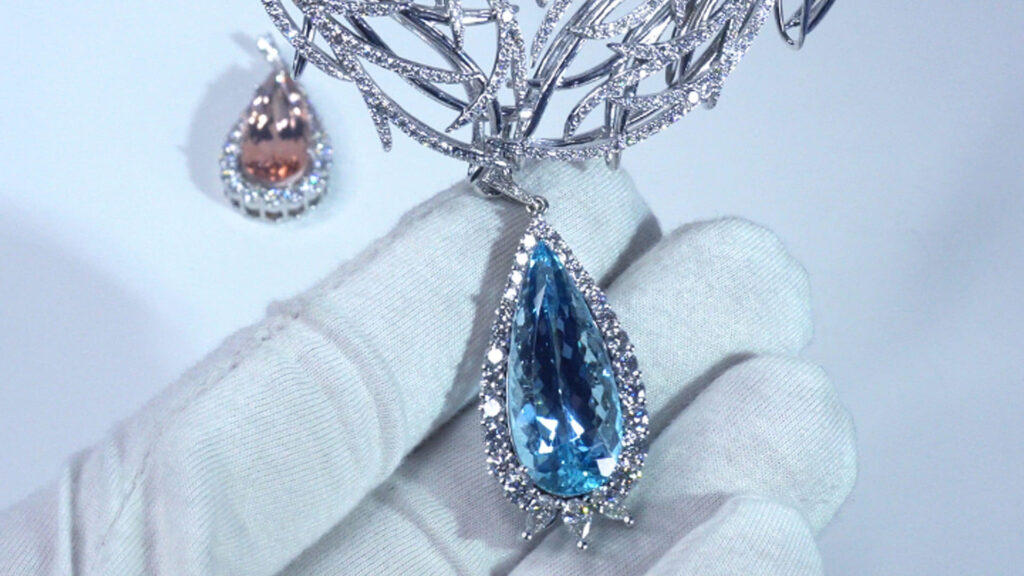
A beautiful piece of jewelry can do more than complete an outfit. When selected carefully, it can become a meaningful possession that lasts for decades and may retain value through changing trends. Handmade Gemstone Jewelry combines craftsmanship, distinctive materials, and personal appeal, making it especially interesting to buyers who want something beyond short-term fashion. However, understanding quality, durability, authenticity, maintenance, and market demand is essential before treating jewelry as a long-term purchase.
What Makes Fine Jewelry Different From Fashion Jewelry?
The first step is understanding what separates fine jewelry from pieces designed primarily for short-term fashion use. Fine jewelry typically uses higher-quality materials, stronger construction methods, and components intended for long-term wear.
Gold, platinum, sterling silver, and genuine gemstones are commonly associated with fine jewelry. In contrast, fashion pieces may rely on plated metals, synthetic materials, glass stones, or lower-cost components.
This difference can affect durability and appearance over time. A well-made ring or necklace can remain attractive for many years, while inexpensive finishes may fade, scratch, discolor, or require replacement sooner.
Quality Materials Matter
Material quality plays an important role in determining how a piece performs over time. Precious metals can often be polished, repaired, resized, or restored, depending on their condition and construction.
Gemstones also vary considerably in durability, rarity, color, clarity, and market demand. Therefore, buyers should look beyond appearance and ask about the type, origin, treatment, and quality of the stone when that information is available.
Craftsmanship Adds Long-Term Appeal
Good craftsmanship can make a noticeable difference. Secure stone settings, balanced proportions, smooth finishes, strong clasps, and carefully constructed connections can help jewelry withstand regular use.
Handcrafted pieces may also have individual characteristics that distinguish them from mass-produced designs. That uniqueness can contribute to emotional appeal, although craftsmanship alone does not guarantee future resale value.
Why Timeless Designs Can Remain Relevant
Fashion changes quickly, but classic jewelry styles can remain wearable for generations. Simple hoops, gemstone pendants, elegant bracelets, signet rings, and understated necklaces can work across different wardrobes and occasions.
A timeless design can also reduce the pressure to replace a piece whenever trends change. Instead, owners can continue wearing the same item while updating their clothing or styling choices around it.
Look Beyond Short-Term Trends
A highly fashionable design may attract attention today but become less desirable later. That does not make trendy jewelry a poor purchase, but it can make long-term appeal harder to predict.
For buyers focused on longevity, balanced proportions and versatile designs may offer greater practical value. Neutral metal tones and naturally appealing gemstones can also make styling easier across different occasions.
Personal Meaning Can Increase Value
Financial value is only one part of the picture. A piece connected to a milestone, family tradition, celebration, or personal achievement may become increasingly meaningful to its owner.
For example, a gemstone bracelet purchased to celebrate a graduation may have limited resale value but significant personal importance. If it remains in good condition, it can eventually become a keepsake that carries a story into the next generation.
How Gemstone Quality Can Affect Jewelry Value
Gemstones are not all valued in the same way. Their characteristics can influence both their appearance and desirability.
Color, clarity, cut, carat weight, rarity, durability, treatments, and provenance may all be relevant depending on the gemstone. Buyers should therefore avoid assuming that a larger stone automatically represents a better or more valuable purchase.
Understand Natural and Treated Gemstones
Some gemstones are routinely treated to improve color, clarity, or overall appearance. Treatments are not necessarily a problem, but buyers should understand what they are purchasing.
A reputable seller should provide clear information about treatments when they are relevant. Documentation or a professional appraisal may also be useful for higher-value purchases.
Consider Durability Before Everyday Wear
Some gemstones are better suited to everyday rings and bracelets than others. A stone’s hardness and resistance to impact, heat, chemicals, and scratching should be considered before choosing a piece for frequent use.
For example, a gemstone that looks beautiful in a pendant may require more care when placed in a ring that is exposed to knocks and surface contact. Matching the stone to the intended use can help preserve its condition.
Fine Jewelry Can Offer Several Forms of Value
Calling jewelry an “investment” can be misleading if it suggests guaranteed financial returns. Jewelry does not automatically appreciate, and resale prices can be substantially different from the original purchase price.
Still, a well-selected piece can provide several forms of value at once. These include personal enjoyment, durability, craftsmanship, design longevity, collectibility, and potential resale or inheritance value.
| Value Factor | Why It Matters | What Buyers Should Check |
|---|---|---|
| Material | Influences durability and market interest | Metal type and purity |
| Gemstone | Affects appearance and desirability | Quality, treatment, authenticity |
| Craftsmanship | Supports long-term wear | Settings, clasps, finishing |
| Design | Influences continued wearability | Timelessness and versatility |
| Condition | Affects presentation and resale | Scratches, damage, repairs |
| Documentation | Helps establish details | Receipts, certificates, appraisals |
| Provenance | Can add context and interest | Ownership and purchase history |
| Maintenance | Helps preserve condition | Cleaning and storage requirements |
This broader perspective allows buyers to make more realistic purchasing decisions. Rather than expecting every piece to increase in price, they can focus on acquiring something that provides lasting usefulness and meaning.
Why Documentation Is Important For Valuable Pieces
Keeping documentation is a simple habit that can make future ownership easier. Receipts, gemstone reports, certificates, appraisal documents, and repair records can help establish what a piece contains and how it has been maintained.
Documentation can also be helpful for insurance purposes. If a piece is lost, stolen, or damaged, detailed records may make it easier to communicate its characteristics and estimated replacement value.
Keep Purchase Records Organized
Store receipts and certificates somewhere secure. Digital copies can provide an additional backup, particularly for pieces that are worn regularly or stored outside the home.
For particularly valuable jewelry, owners may also want professional photographs showing distinctive details. These records can be useful for identification and insurance documentation.
Consider Professional Appraisals
An appraisal can provide an informed estimate based on the purpose of the valuation. Insurance replacement value, fair market value, and potential resale value are not necessarily the same figure.
For this reason, buyers should understand what an appraisal is intended to establish. A professional appraiser can explain the methodology and information used to reach the valuation.
How Proper Care Helps Preserve Long-Term Value
Even high-quality jewelry can lose appeal if it is neglected. Regular care helps protect both the appearance and physical condition of a piece.
Owners should follow care instructions appropriate to the metal and gemstones involved. Some jewelry can tolerate gentle cleaning at home, while other pieces may require professional attention.
Store Jewelry Carefully
Separate storage can reduce scratching and tangling. Soft-lined compartments, individual pouches, and jewelry boxes can help prevent pieces from rubbing against one another.
Humidity can also affect certain materials. Keeping jewelry in a clean, dry environment can help reduce unnecessary exposure to moisture and other damaging conditions.
Know When To Remove Jewelry
Jewelry may be better protected when removed before activities involving harsh chemicals, heavy physical work, swimming, or strenuous exercise.
Perfume, cosmetics, lotions, cleaning products, and household chemicals can also affect certain metals and gemstones. Applying personal-care products before putting jewelry on can help reduce direct exposure.
What Buyers Should Consider Before Purchasing Fine Jewelry
A long-term purchase deserves more thought than simply choosing the most attractive item in a display case. Buyers should consider how often they will wear the piece, how they will care for it, and whether its characteristics match their priorities.
Set A Realistic Budget
Start with a budget that is comfortable rather than assuming a higher price automatically means greater long-term value. Compare materials, craftsmanship, gemstone quality, and seller reputation within that budget.
A moderately priced piece that is well made and frequently worn may provide more practical value than an expensive item that remains in storage.
Research The Seller
Seller reputation matters when buying valuable jewelry. Look for clear product descriptions, transparent material information, reasonable return policies, and customer support.
For gemstone pieces, ask whether the stones are natural, synthetic, lab-created, or treated when those distinctions affect the purchase. Clear answers can help prevent misunderstandings.
Think About How You Will Use It
Consider whether the jewelry is intended for daily wear, special occasions, collecting, or gifting. A delicate necklace may be perfect for occasional use, while a sturdy bracelet may better suit someone who wants frequent wear.
Matching construction to lifestyle can extend the useful life of the piece and reduce unnecessary repair costs.
How Gemstone Jewelry Can Become A Meaningful Heirloom
One reason people value fine jewelry is its ability to move through generations. A carefully maintained piece can become part of a family’s history rather than remaining a simple accessory.
Heirloom potential depends on more than monetary worth. Strong construction, timeless styling, sentimental meaning, and proper documentation can all contribute to a piece’s usefulness for future generations.
Choose Designs That Can Be Worn Across Generations
Styles that are relatively simple and adaptable may be easier for different family members to enjoy. Classic pendants, bracelets, earrings, and rings can often be styled in different ways as personal tastes change.
However, personal preference should remain central. A piece chosen because it has meaning to the original buyer may become more valuable emotionally than an item selected solely according to market considerations.
Maintain A Clear Ownership History
If a piece is expected to become a family heirloom, keep its records together. Information about when it was purchased, the materials used, professional appraisals, and repairs can provide useful context for future owners.
That history can become part of the story attached to the jewelry. Over time, the documented background may help preserve both practical information and family memories.
Common Mistakes That Can Reduce Long-Term Jewelry Value
Even a quality purchase can become difficult to maintain when owners overlook basic care and documentation.
Some common mistakes include:
- Buying solely because a design is currently trendy.
- Assuming a high retail price guarantees future appreciation.
- Failing to verify gemstone information.
- Ignoring signs of loose stones or damaged settings.
- Storing pieces together where they can scratch each other.
- Using unsuitable cleaning products.
- Losing receipts, certificates, or appraisal records.
- Wearing delicate jewelry during activities that can damage it.
- Choosing a piece that does not suit the owner’s lifestyle.
Avoiding these mistakes does not guarantee higher resale value. However, it can help preserve the condition, usability, and documented history of a piece.
How To Think About Jewelry As A Long-Term Purchase
The most practical approach is to consider several factors together rather than focusing on resale price alone. A strong purchase may combine quality materials, dependable craftsmanship, lasting design, personal meaning, and manageable maintenance requirements.
Before buying, ask yourself a few straightforward questions:
- Will I still enjoy wearing this design several years from now?
- Are the materials clearly identified?
- Is the gemstone information transparent?
- Does the construction suit how I plan to wear it?
- Can the piece be cleaned, repaired, or maintained properly?
- Do I have documentation for the purchase?
- Am I buying it because I genuinely value it, rather than expecting guaranteed appreciation?
These questions encourage thoughtful purchasing without treating jewelry as a guaranteed financial asset.
Conclusion
Fine jewelry can offer lasting value because it combines materials, craftsmanship, design, usability, and personal meaning in a single possession. Quality pieces can be maintained, repaired, enjoyed for years, and sometimes passed to future generations. However, buyers should avoid viewing jewelry as a guaranteed financial investment because resale prices and market demand can vary considerably. Instead, focus on authentic materials, reliable craftsmanship, suitable designs, gemstone quality, proper documentation, and responsible care. When those factors come together, a jewelry purchase can become much more than a temporary fashion choice—it can become a durable possession with practical, emotional, and potentially financial value over the long term.
FAQs
Is fine jewelry a good long-term investment?
Fine jewelry can provide lasting personal and practical value, but it should not be considered a guaranteed financial investment. Quality materials, craftsmanship, timeless design, and proper care can help preserve its value over time.
Does gemstone quality affect the value of jewelry?
Yes. Factors such as gemstone type, color, clarity, cut, durability, rarity, treatments, and authenticity can influence a piece’s desirability and value. Buyers should request clear information about the gemstone before purchasing.
Can handmade gemstone jewelry become a family heirloom?
Yes. Well-crafted jewelry with durable materials can last for generations when properly maintained. Its sentimental value can also grow when it is connected to important family occasions or personal milestones.
How can I protect the value of my fine jewelry?
Store each piece carefully, avoid exposure to harsh chemicals, follow appropriate cleaning methods, and have settings inspected when necessary. Keeping receipts, certificates, appraisals, and repair records can also be helpful.
Does expensive jewelry always have higher resale value?
No. A high purchase price does not guarantee a high resale price. Resale value can depend on material quality, gemstone characteristics, craftsmanship, condition, brand or provenance, and current buyer demand.