
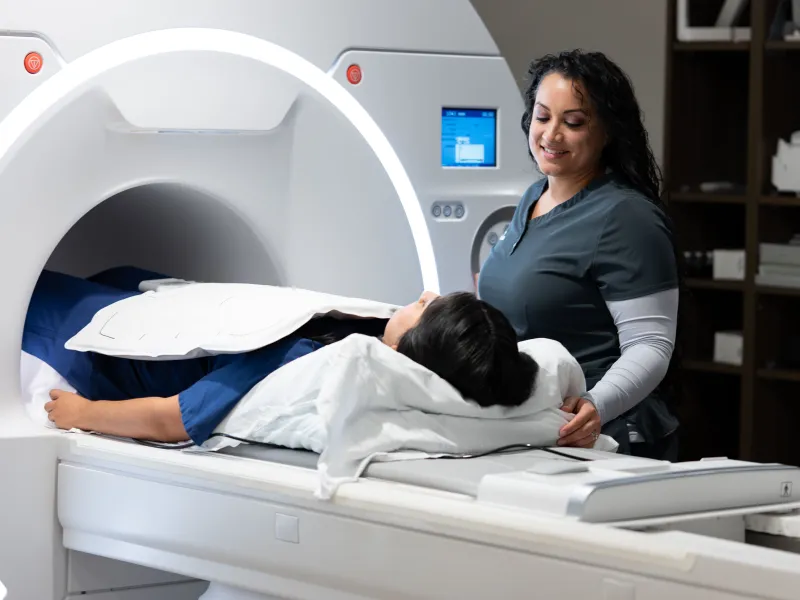
Finding the cause of a health problem often begins with the right diagnostic test. Whether someone experiences persistent pain, unexplained fatigue, or unusual symptoms, medical testing helps healthcare professionals understand what is happening inside the body. Today, Diagnostic Imaging Services and laboratory procedures play an important role in identifying diseases, monitoring existing conditions, and guiding treatment decisions. Understanding the most common tests can help patients feel more confident, prepare for appointments, and make informed decisions about their healthcare.
Why Diagnostic Tests Matter in Modern Healthcare
Doctors rely on diagnostic tests to gather information that physical examinations alone may not provide. These tests can reveal internal injuries, infections, changes in organ function, and early signs of certain diseases. By combining test results with a patient’s symptoms, medical history, and examination findings, healthcare professionals can develop a more accurate understanding of a health concern.
Diagnostic testing also helps determine whether a treatment is working. For example, a blood test may show whether medication is controlling blood sugar levels, while an imaging scan may help a doctor assess how an injury is healing.
However, no single test provides every answer. Doctors select tests according to the patient’s symptoms, risk factors, and suspected condition. In some cases, they may recommend several tests to confirm a diagnosis or rule out other possible causes.
Blood Tests for Evaluating Overall Health
Blood tests are among the most frequently used diagnostic procedures in the United States. They provide information about blood cells, hormones, nutrients, chemical levels, and organ function. Because many health conditions affect the blood, these tests can help doctors investigate symptoms and identify problems before they become more serious.
Complete Blood Count
A complete blood count (CBC) measures different components of the blood, including red blood cells, white blood cells, platelets, and hemoglobin. Doctors may order this test when a patient experiences fatigue, weakness, frequent infections, or unexplained bruising.
The results can help identify signs of anemia, certain infections, and other blood-related abnormalities. Nevertheless, an unusual result does not automatically confirm a specific disease. Additional testing may be necessary to determine the underlying cause.
Blood Glucose and Cholesterol Testing
Blood glucose testing measures the amount of sugar in the blood and helps healthcare professionals screen for or manage diabetes. Depending on the situation, doctors may recommend a fasting glucose test or an A1C test, which reflects average blood sugar levels over approximately three months.
Cholesterol testing measures different types of fats in the blood, including LDL and HDL cholesterol, along with triglycerides. These results help doctors assess cardiovascular risk and recommend appropriate lifestyle changes or treatment.
Organ Function and Hormone Tests
A comprehensive metabolic panel can provide information about kidney function, liver function, blood glucose, electrolytes, and other important chemical measurements. Thyroid function tests, meanwhile, help investigate symptoms such as unexplained weight changes, tiredness, or changes in heart rate.
Doctors interpret these results in context rather than relying on one number alone. Age, medications, existing medical conditions, and other factors can influence test findings.
Medical Imaging Tests That Reveal Internal Structures
Medical imaging allows healthcare professionals to examine organs, bones, blood vessels, and soft tissues without performing exploratory surgery. Different imaging techniques use different technologies, so the best option depends on the area being examined and the medical question that needs an answer.
Diagnostic Imaging can help detect fractures, identify abnormalities, evaluate injuries, and guide certain medical procedures. Some tests use radiation, while others rely on sound waves or magnetic fields.
X-Rays for Bones and Chest Conditions
X-rays use a small amount of ionizing radiation to create images of structures inside the body. They are commonly used to identify fractures, assess joint problems, and investigate certain lung conditions.
For example, a healthcare professional may request a chest X-ray when symptoms suggest pneumonia or another lung problem. A dental X-ray can reveal cavities and other issues that may not be visible during a routine examination.
X-rays are generally quick and widely available. However, they provide less detail about some soft tissues than other imaging methods, so a doctor may recommend additional testing when necessary.
CT Scans for Detailed Cross-Sectional Images
Computed tomography, commonly called a CT scan, combines multiple X-ray images to produce detailed cross-sectional views of the body. These images help doctors examine internal organs, bones, blood vessels, and other structures.
CT scans are frequently used to investigate traumatic injuries, internal bleeding, kidney stones, and certain chest or abdominal conditions. They may also help clinicians evaluate complex problems when a standard X-ray does not provide enough information.
Because CT scans use ionizing radiation, healthcare professionals consider the expected benefit before ordering one. Patients should tell their care team if they are pregnant or might be pregnant and discuss any concerns about contrast material, kidney problems, or previous contrast reactions.
MRI Scans for Soft Tissue Assessment
Magnetic resonance imaging (MRI) uses strong magnetic fields and radio waves to create detailed images without ionizing radiation. It is particularly useful for examining the brain, spinal cord, joints, muscles, ligaments, and other soft tissues.
For instance, an MRI may help investigate a suspected ligament injury or provide more information about certain neurological symptoms. It can also help doctors evaluate selected abnormalities in internal organs.
An MRI appointment generally takes longer than an X-ray. Patients should disclose implanted medical devices, metal fragments, or other relevant medical information before the examination because some implants or metal objects may create safety concerns.
Ultrasound for Real-Time Imaging
Ultrasound uses high-frequency sound waves to produce images of internal structures. It is widely used in pregnancy care, abdominal examinations, and the assessment of selected blood vessels, muscles, tendons, and soft tissues.
Unlike X-rays and CT scans, ultrasound does not use ionizing radiation. It can also display movement in real time, allowing clinicians to observe structures as they function.
For example, an abdominal ultrasound may help investigate gallbladder problems, while Doppler ultrasound can assess blood flow. The quality of the examination may depend on the body area, the patient’s anatomy, and the experience of the person performing the scan.
Common Diagnostic Tests at a Glance
Different tests answer different medical questions. The following table summarizes several common procedures, their primary purposes, and practical considerations.
| Diagnostic test | Main purpose | Common uses | Important consideration |
|---|---|---|---|
| Complete blood count | Evaluate blood cells | Anemia, infection-related concerns | Results require clinical interpretation |
| Blood glucose test | Measure blood sugar | Diabetes screening and monitoring | Fasting may be required for some tests |
| X-ray | Examine bones and selected internal structures | Fractures, chest conditions | Uses ionizing radiation |
| CT scan | Create detailed cross-sectional images | Injuries, internal abnormalities | Uses ionizing radiation |
| MRI | Examine soft tissues and organs | Brain, spine, joints | Requires screening for certain implants and metal |
| Ultrasound | Produce real-time images | Pregnancy, abdominal concerns, blood flow | Image quality varies by examination |
| Electrocardiogram | Record the heart’s electrical activity | Rhythm abnormalities, cardiac symptoms | Provides a snapshot of electrical activity |
| Urinalysis | Analyze urine | Urinary infections, kidney-related concerns | Collection technique can affect results |
| Biopsy | Examine a tissue sample | Investigating suspicious tissue changes | Involves obtaining a tissue specimen |
| Endoscopy | View selected internal structures with a flexible instrument | Digestive tract evaluation | Preparation and sedation may be needed |
This overview is a starting point rather than a substitute for medical advice. The appropriate procedure depends on the symptoms, suspected diagnosis, urgency, and the information a clinician needs to obtain.
Heart Tests That Evaluate Cardiovascular Health
Heart-related diagnostic tests help healthcare professionals assess the heart’s electrical activity, structure, and performance. They can investigate symptoms such as chest discomfort, palpitations, dizziness, shortness of breath, or unexplained fainting.
Electrocardiogram for Electrical Activity
An electrocardiogram (ECG or EKG) records the electrical signals that control the heartbeat. Small electrodes placed on the skin detect these signals and produce a tracing that a healthcare professional can interpret.
An ECG can help identify certain abnormal heart rhythms and signs of possible cardiac problems. However, a normal result does not exclude every heart condition, particularly when symptoms occur intermittently.
Echocardiogram for Heart Structure
An echocardiogram uses ultrasound to create images of the heart. It helps clinicians assess the heart’s chambers, valves, pumping function, and blood flow.
Doctors may recommend this test when investigating heart murmurs, suspected valve disease, heart failure, or certain structural abnormalities. Because it uses sound waves rather than ionizing radiation, it can provide valuable information without exposing the patient to X-rays.
Stress Testing for Exercise-Related Symptoms
A cardiac stress test evaluates how the heart responds to physical activity or medication that increases its workload. Depending on the test, clinicians may monitor the ECG, heart rate, blood pressure, or imaging findings.
Stress testing can help investigate selected cases of suspected coronary artery disease and exercise-related symptoms. The clinician determines whether it is appropriate based on the patient’s condition and medical history.
Urine Tests for Detecting Hidden Health Problems
Urine testing offers another practical way to investigate common health concerns. A urinalysis examines the appearance and chemical composition of urine and may include microscopic analysis. It can help identify signs of urinary tract infections, blood in the urine, or other abnormalities.
Doctors may also use urine tests when evaluating kidney-related problems or investigating symptoms such as painful urination and frequent urination. Certain urine tests can detect substances or measure specific markers that support the assessment of particular conditions.
Patients should follow the collection instructions carefully. A clean sample can reduce contamination and improve the usefulness of the results. Depending on the reason for testing, a clinician may request a urine culture or another specialized examination.
Biopsies and Endoscopy for Closer Examination
Some conditions require doctors to examine tissue directly or view the inside of an organ. Biopsies and endoscopic procedures provide information that routine blood tests and external imaging may not offer.
Biopsy for Tissue Analysis
A biopsy involves removing a small sample of tissue for laboratory examination. Doctors may recommend one when investigating a suspicious skin lesion, an abnormal breast finding, or a change detected in another organ.
A pathologist examines the sample under a microscope and may perform additional laboratory studies. These findings can help distinguish between benign changes, inflammation, infection, and cancer.
Not every abnormal imaging result requires a biopsy. The decision depends on the appearance of the finding, the patient’s medical history, and the likelihood that tissue analysis will change the next step in care.
Endoscopy for Viewing Internal Organs
Endoscopy uses a flexible instrument with a camera to examine selected areas inside the body. An upper endoscopy allows clinicians to inspect the esophagus, stomach, and beginning of the small intestine, while colonoscopy examines the colon.
These procedures can help investigate persistent digestive symptoms, locate sources of bleeding, and identify suspicious tissue changes. During some examinations, clinicians can collect biopsies or remove certain polyps.
Preparation varies by procedure. Patients should follow the care team’s instructions about fasting, bowel preparation, medications, and transportation if sedation is used.
How Doctors Choose the Right Diagnostic Procedure
Selecting a diagnostic test involves more than choosing the most advanced technology. Clinicians consider the symptoms, physical examination, medical history, possible diagnoses, and whether the expected information will affect treatment.
For example, someone with a suspected simple fracture may need an X-ray first. A patient with persistent neurological symptoms may require an MRI or another targeted investigation, depending on the suspected cause. In other cases, blood work may provide the most useful starting point.
Doctors also weigh potential risks, including radiation exposure, contrast-related reactions, discomfort, and the possibility of false-positive or false-negative results. Insurance coverage, cost, availability, and the urgency of the situation may influence practical arrangements.
Patients can make the process easier by sharing a complete medication list, describing when symptoms began, and mentioning allergies, implanted devices, pregnancy, or previous reactions to contrast agents. They should also ask whether fasting or other preparation is necessary.
Preparing for Testing and Understanding the Results
Good preparation can improve the quality of certain diagnostic tests and help avoid delays. However, requirements differ considerably between procedures, so patients should follow the specific instructions provided by their healthcare team.
Before an appointment, confirm the test location, arrival time, preparation requirements, and whether someone needs to accompany you. Do not stop prescribed medication or change your normal routine unless the clinician or testing center instructs you to do so.
After the examination, ask when results are expected and who will explain them. Some results become available quickly, while others require additional analysis. An abnormal finding may call for repeat testing or further investigation, but it does not always mean a serious disease is present.
Likewise, a normal result does not guarantee that every possible condition has been excluded. If symptoms persist or worsen despite reassuring findings, contact your healthcare professional for further guidance.
Conclusion
Diagnostic tests help healthcare professionals move from uncertain symptoms toward informed medical decisions. Blood work, X-rays, CT scans, MRI, ultrasound, heart evaluations, urine testing, biopsies, and endoscopy each provide different types of information. The right choice depends on the patient’s symptoms, medical history, and the clinical question being investigated. Understanding these options can make appointments less stressful and help patients participate more confidently in their care. Always discuss the benefits, risks, preparation requirements, and meaning of your results with a qualified healthcare professional so that testing supports an appropriate and timely treatment plan.
Frequently Asked Questions
1. What are the most common diagnostic tests?
Common tests include blood work, urinalysis, X-rays, CT scans, MRI, ultrasound, electrocardiograms, and selected tissue examinations. Doctors choose among them according to symptoms and the condition they need to investigate.
2. What is the difference between an X-ray, CT scan, and MRI?
An X-ray creates images using ionizing radiation and is often used to assess bones and certain chest conditions. A CT scan combines X-ray images into detailed cross-sectional views, while MRI uses magnetic fields and radio waves to examine many soft tissues in greater detail.
3. Are diagnostic imaging procedures safe?
Most imaging procedures are considered appropriate when used for a valid medical reason. However, the risks vary. X-rays and CT scans use ionizing radiation, MRI requires screening for certain implants and metal objects, and some examinations use contrast agents that require additional precautions.
4. Do patients need to fast before a diagnostic test?
Not always. Many routine blood tests and imaging procedures require little or no preparation, but certain blood tests, abdominal ultrasounds, and digestive procedures may require fasting or other specific steps. Follow the instructions provided by your healthcare team.
5. How long does it take to receive diagnostic test results?
The time varies by test and facility. Some results, such as a basic ECG interpretation, may be available during the appointment, while laboratory studies, imaging reports, biopsies, and specialized examinations can take longer. Ask your provider when to expect your results and how they will be communicated.