
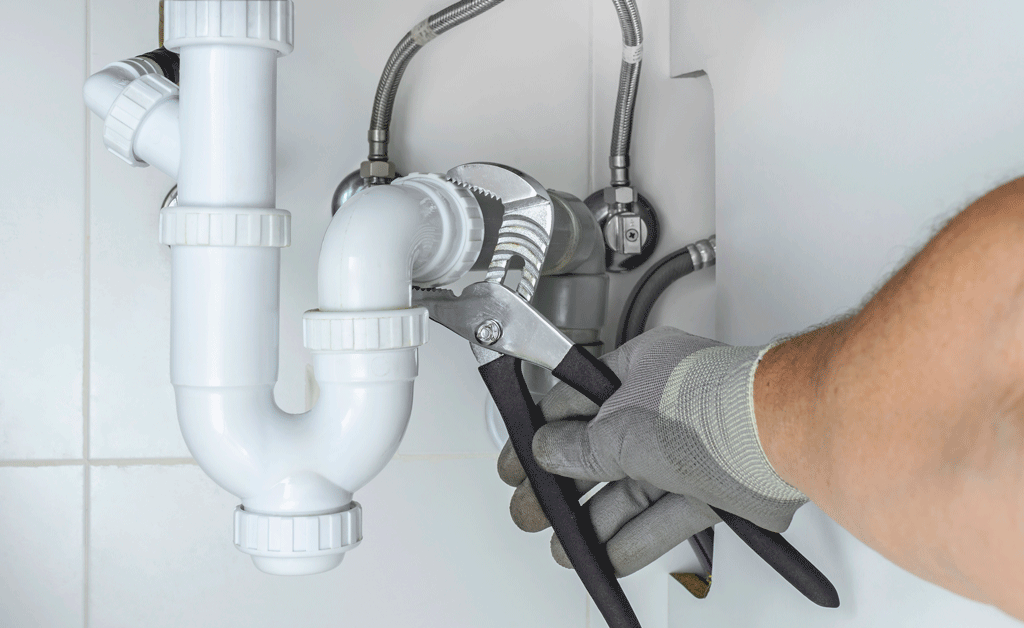
Taking on home maintenance projects can save money and give you a sense of accomplishment. When water starts leaking or a fixture breaks, homeowners often ask if hiring Simmons plumbing services is necessary or if handling the repairs independently is legally allowed. The answer depends heavily on your local regulations, the scope of the project, and whether the work involves critical supply or drainage lines. Understanding the distinction between basic repairs and major modifications protects both your property value and your legal standing.
Local Plumbing Regulations and Licensing Laws
Plumbing regulations in the United States exist primarily to protect public health and safety. Clean drinking water delivery and safe wastewater removal prevent severe contamination and disease. Because improper piping work poses significant hazards, local municipalities establish strict guidelines regarding who can alter plumbing infrastructure.
In most jurisdictions, licensing laws separate minor cosmetic maintenance from complex structural work. Local building departments enforce national model codes—such as the Uniform Plumbing Code (UPC) or International Plumbing Code (IPC)—with state or municipal amendments. These codes determine which tasks require formal permits, inspections, and licensed master plumbers.
The Homeowner Exemption Clause
Many states and municipalities include a “homeowner exemption” in their building codes. This clause allows property owners to work on the plumbing systems of their primary residence without holding a professional license. However, this exemption rarely grants unlimited freedom.
To qualify for a homeowner exemption, you typically must own and occupy the single-family home where the work takes place. The exemption almost never applies to commercial properties, rental units, or multi-family buildings. Furthermore, even under an exemption, you are still legally required to pull necessary permits and submit your finished work for official municipal inspection.
Commercial and Rental Property Restrictions
If you own rental housing or commercial space, plumbing regulations are far more stringent. Tenants rely on property owners to provide safe living environments. As a result, most state licensing boards prohibit property owners or uncertified handymen from performing significant plumbing repairs on tenant-occupied buildings. In these cases, work must be completed by a licensed journeyman or master plumber to ensure compliance with health standards and liability rules.
What Plumbing Work Can You Do Yourself Without a License?
While major modifications require professional credentials, many standard household fixes fall safely within the realm of legal DIY tasks. These projects generally involve fixture replacement, minor repairs, or maintenance that does not alter the underlying pipe configuration.
+------------------------------------+------------------------------------+
| Legal DIY Plumbing Tasks           | Tasks Requiring a License/Permit   |
+------------------------------------+------------------------------------+
| Replacing a sink faucet or sprayer | Moving gas lines or water heaters  |
+------------------------------------+------------------------------------+
| Swapping out showerheads & hoses   | Relocating main drainage lines     |
+------------------------------------+------------------------------------+
| Replacing toilet flappers & valves | Installing new supply main valves  |
+------------------------------------+------------------------------------+
| Clearing simple drain clogs        | Connecting lines to city sewers    |
+------------------------------------+------------------------------------+
| Installing washing machine hoses   | Underground piping installation    |
+------------------------------------+------------------------------------+
Simple Surface Fixture Replacements
Swapping out an existing faucet, replacing a worn showerhead, or installing a new garbage disposal typically does not require a license or permit. Because these tasks connect to existing shut-off valves and drain traps without modifying wall-enclosed piping, they carry low structural risk.
Basic Toilet Maintenance and Repairs
Replacing internal tank components like flappers, fill valves, and flush levers is fully legal for homeowners. Even replacing an entire toilet unit—assuming you are placing it directly onto an existing floor flange without moving the drain location—is almost universally permitted without professional certification.
Clearing Localized Drain Clogs
Using a plunger, hand auger, or drain snake to clear blockage in a sink, shower, or toilet drain is standard maintenance. As long as you are not cutting into pipes, removing cleanout plugs embedded in main sewer stacks, or chemical-jetting city connections, you can resolve these issues independently.
Major Plumbing Projects That Legal Standards Require Professionals For
Certain projects carry extreme risks of water damage, health code violations, or gas leaks. Municipalities strictly control these jobs, requiring licensed contractors to handle planning, installation, and inspection.
Gas Line Alterations and Gas Water Heaters
Working on gas supply pipes connected to water heaters or boilers presents severe explosion and carbon monoxide hazards. Almost every U.S. jurisdiction mandates that gas pipe installations, extensions, and appliance connections be completed strictly by licensed plumbers or mechanical contractors.
Main Sewer Line Connections and Excavation
Connecting a household drain system to a municipal sewer main or installing a septic tank involves public infrastructure. This work demands heavy equipment, precise grading calculations, and strict adherence to environmental laws. Homeowners cannot legally dig up public rights-of-way or modify main municipal connections.
Structural Piping Relocation During Remodels
If a bathroom or kitchen renovation requires moving a sink, shower, or toilet to a new location, you are changing the underlying drain, waste, and vent (DWV) network. Reconfiguring vent stacks and drain slopes alters the pressure dynamics of the home’s whole system. Codes require permits and professional oversight for these structural changes.
Permits and Inspections: What Homeowners Must Know
A common misconception is that if you do the physical labor yourself, you do not need a permit. In reality, licensing laws and permitting requirements are separate regulations.
How the Permitting Process Works
- Application: Before starting a major project, submit detailed plans to your local building department.
- Permit Issuance: The department reviews the plan against current codes and issues a permit.
- Rough-In Inspection: An inspector checks exposed pipes in walls or subfloors before drywall or flooring is installed.
- Final Inspection: The inspector tests the completed system under operating water pressure to verify there are no leaks or venting flaws.
Consequences of Working Without a Permit
Unpermitted plumbing work creates severe long-term complications. If an unpermitted pipe bursts, insurance companies may deny coverage claims based on improper installation. Additionally, when selling your home, property inspectors and prospective buyers will check permit histories. Unpermitted work often forces sellers to tear open walls, retroactively pay permit fees, or hire licensed professionals to bring work up to current code before closing a sale.
Essential Safety Precautions for DIY Plumbing
If you decide to complete allowed DIY plumbing tasks, prioritizing safety protects both you and your property from unexpected accidents.
Shut Off the Main Water Supply
Before loosening any fitting, locate your home’s main water shut-off valve and turn it off completely. Relieve system pressure by opening the lowest faucet in the house. Never rely solely on localized under-sink isolation valves if they appear old, corroded, or seized.
Wear Proper Personal Protective Equipment (PPE)
Plumbing work exposes you to pressurized fluids, chemical drain cleaners, sharp metals, and bacteria in wastewater lines. Always wear safety glasses, heavy-duty gloves, and appropriate footwear. If soldering copper pipes, keep a fire extinguisher nearby and use a heat shield to protect surrounding wood studs.
Conclusion
Homeowners can legally complete basic plumbing repairs like replacing faucets, fixing toilet valves, and clearing minor drain clogs without a professional license. However, major installations, pipe relocations, and gas line modifications require building permits and licensed expertise to satisfy local codes. Respecting local regulations prevents catastrophic water leaks, preserves your home’s insurance coverage, and ensures safety for your household. Before attempting work inside your walls or under subfloors, check with your municipal building department to verify local rules.
Frequently Asked Questions
Can I replace my own water heater without a license?
In many jurisdictions, homeowners living in single-family properties can replace an electric water heater under a homeowner permit. However, gas water heaters usually require a licensed professional due to fuel line and venting safety codes. Always verify with your local city or county clerk.
What happens if I perform unpermitted plumbing work?
Unpermitted work can result in municipal fines, difficulty selling your property, forced tear-out of finished walls for retroactive inspections, and denied home insurance claims if water damage occurs.
Are handymen legally allowed to do plumbing work?
In most states, uncertified handymen can only handle basic repairs under a specific financial threshold (e.g., jobs under $500). They cannot alter structural drain lines, run main water supply pipes, or pull permits for major projects.
How do I know if my project requires a building permit?
As a general rule, simple fixture swaps do not require permits. Any project that involves adding new pipe runs, opening walls to alter supply lines, moving drain locations, or modifying gas lines will require an official permit.
Can I repair my own home’s exterior main sewer pipe?
No. The main sewer line connects directly to municipal infrastructure or septic systems. Because of health risks, structural impact, and environmental regulations, main line repairs generally require licensed utility contractors, heavy equipment, and municipal oversight.