
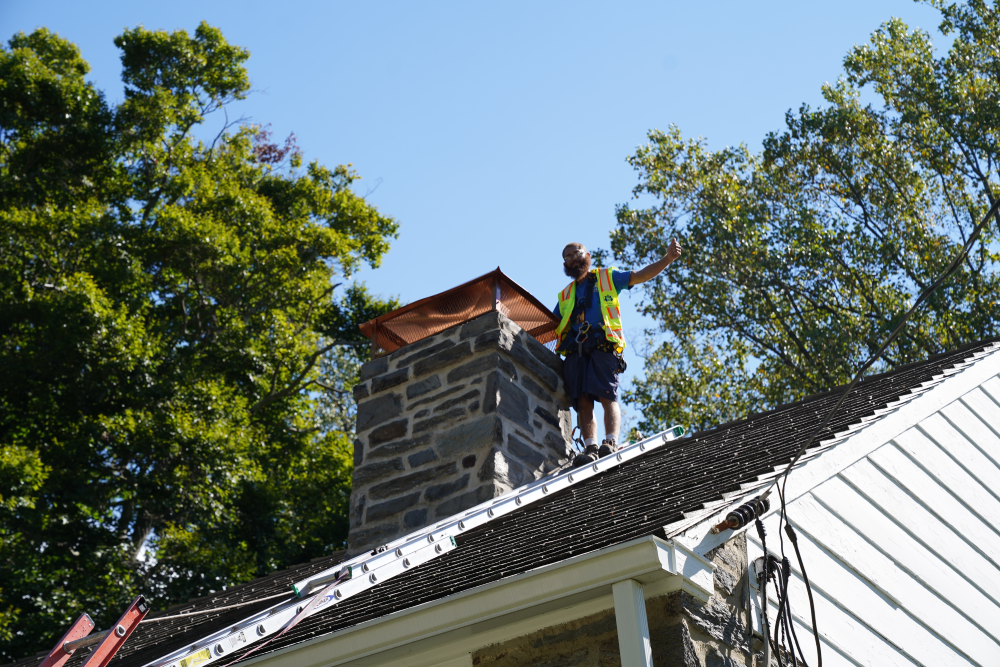
When cold weather arrives, nothing beats the comfort of a warm, crackling fire in your hearth. However, firing up your fireplace without verifying the structural integrity and cleanliness of your flue system can introduce severe hazards, including chimney fires and dangerous carbon monoxide leaks. Hiring a trusted chimney company in Jefferson City for an annual inspection and professional sweeping ensures your fireplace operates safely and efficiently all winter long. By learning to identify the early warning signs of soot accumulation and flue blockages, you can take action before minor maintenance issues turn into costly repairs or dangerous household emergencies.
Understanding Creosote and Fireplace Hazards
To spot chimney trouble effectively, you must first understand what happens inside the flue during a fire. Whenever wood burns, it releases gases, water vapor, smoke, unburned wood particles, and various hydrocarbon compounds. As these hot vapors rise through the cooler environment of the chimney, condensation occurs. This process creates a dark, highly flammable residue known as creosote.
Creosote attaches to the inner walls of your chimney liner in three distinct stages, each presenting higher risks and requiring more intensive cleaning methods:
- Stage 1 (Loose Soot and Ash): This initial byproduct features a powdery texture that sweeps away easily with standard chimney brushes.
- Stage 2 (Flaky or Tar-Like Deposit): As soot compresses and bakes under heat, it forms dark, crisp flakes or sticky tar deposits that require mechanical scrapers to remove safely.
- Stage 3 (Glazed Creosote): The most dangerous form manifests as a thick, shiny, hardened coat of fuel along the flue walls. Glazed creosote catches fire easily and is exceptionally difficult to scrub away.
Beyond creosote accumulation, outdoor debris like pine needles, twigs, leaves, and animal nests can fall down an unprotected chimney top. Left unchecked, these obstructions restrict airflow and force dangerous combustion gases backward into your living space.
Visual Warning Signs Inside Your Hearth
You do not need to climb onto your roof to spot early indicators of chimney neglect. A simple visual check inside your fireplace firebox reveals several obvious warning signals.
Dark, Thick Soot and Sticky Creosote Buildup
Examine the interior walls of your firebox and the damper door above it. If you observe a dark, velvety layer of soot thicker than an eighth of an inch, your system needs sweeping. Scrape a key or small utensil along the liner wall; if you peel away a thick, gummy layer of black tar, high-density creosote has already formed. Because creosote serves as the primary fuel source for dangerous chimney fires, operating your fireplace under these conditions poses a constant safety threat.
Unburned Wood left in the Firebox
A well-ventilated fireplace receives plenty of oxygen to combust firewood completely, leaving behind fine grey ash. If your fires routinely extinguish prematurely or leave behind heavy, unburned logs, poor draft velocity is likely to blame. Restrictive layers of creosote narrow the effective flue diameter, choking off the oxygen flow required to sustain vibrant combustion.
Rust on the Damper or Firebox Components
Moisture is an enemy of masonry and steel fireplace components. If you spot flaking rust on your metal damper, fireplace grate, or ash dump door, excess water is pooling inside the flue. When rainwater mixes with acidic creosote deposits, it creates a corrosive paste that eats through metal parts and deteriorates interior mortar joints over time.
Airflow and Performance Warning Signs
Your fireplace relies on steady thermal drafting to push smoke out of your home while pulling fresh room air into the fuel bed. When internal deposits alter this pressure balance, performance drops immediately.
Smoke Backdrafting into Living Spaces
Smoke should always rise smoothly up the flue. If smoke spills past the mantle into your living room while lighting or maintaining a fire, your chimney cannot draft correctly. While cold flue air can cause momentary backdrafting during ignition, continuous indoor smoke points directly to severe creosote buildup, a closed damper, or structural blockages high up in the chimney column.
Fires Burn Poorly or Sputter Out
Do your fires seem sluggish, smoky, or difficult to ignite even when using dry, seasoned hardwood? Restricted airflow caused by soot buildup cuts off oxygen supplies. Without adequate draft, wood smolders instead of burning cleanly, generating twice as much creosote as a hot, efficient fire would produce.
Dampers That Stiffly Jam or Fail to Seal
The chimney damper controls airflow and prevents conditioned room air from escaping when the fireplace sits idle. If operating the damper lever requires force, or if the metal plate fails to seal tightly, sticky creosote deposits have likely gummed up the mechanical tracks. A jammed damper compromises energy efficiency and prevents you from closing off the chimney during severe weather.
Smell and Sound Indicators
Your eyes are not the only tools for diagnosing chimney health. Your senses of smell and hearing often catch subtle warning signs before structural damage occurs.
Strong, Foul Odors Resembling a Campfire or Asphalt
A clean chimney yields virtually no scent when inactive. If your living room smells like a damp campfire, stale charcoal, or hot asphalt—especially during humid summer days or heavy rains—your flue holds excessive creosote. High humidity draws out the pungent odor of creosote deposits, pushing unpleasant smells through open dampers into your home.
Rustling or Chirping Sounds Behind the Walls
Uncapped or damaged chimneys offer sheltered nesting spots for birds, squirrels, raccoons, and bats. If you hear scratching, rustling, or chirping noises originating from behind the fireplace walls, animals have likely moved in. Beyond the hygienic risks, animal nests made of twigs, dry grass, and leaves create complete flue blockages that catch fire easily.
External Masonry and Roof-Level Red Flags
Walking outside to inspect your exterior masonry structure provides invaluable clues regarding hidden internal conditions.
Flaking Masonry or Spalling Bricks
Spalling occurs when moisture penetrates porous chimney bricks, freezes during winter weather, expands, and pops off the brick faces. If you discover brick chips or crumbly mortar accumulated along the roofline or ground near your foundation, water is breaching your system. Water entry accelerates internal creosote deterioration and damages the clay flue liner.
White Staining on Exterior Brickwork (Efflorescence)
If the exterior bricks of your chimney display fuzzy white streaks or powdery residue, your masonry is suffering from efflorescence. This chemical deposit appears when water dissolves natural salts within the brick and mortar, transporting them to the surface as it evaporates. While efflorescence wipes off easily, it acts as a clear warning indicator that excessive water is moving through your chimney walls.
Missing or Damaged Chimney Caps and Crowns
The concrete chimney crown seals the top of your masonry structure, while the metal chimney cap prevents rain, debris, and animals from falling inside. Inspect your roofline from the ground using binoculars. If the concrete crown displays visible cracks, or if the metal cap is missing, rusted, or bent, your flue remains fully exposed to weather intrusion and debris blockages.
Chimney Warning Signs & Necessary Action Steps
The following table summarizes common chimney symptoms, their underlying causes, potential safety hazards, and the recommended professional solutions to restore your fireplace system.
| Warning Sign / Symptom | Primary Underlying Cause | Associated Risk / Hazard | Recommended Action |
| Thick velvet soot or tar-like glaze | Incomplete combustion & wood resin accumulation | Internal chimney fire risk | Schedule professional sweeping and creosote removal |
| Smoke spilling into living room | Flue blockage, heavy soot, or damper failure | Carbon monoxide buildup & smoke damage | Stop burning fires; inspect flue for blockages |
| Strong campfire or asphalt odors | Moisture mixing with internal creosote deposits | Indoor air quality deterioration | Clean flue liner and install a protective chimney cap |
| Rusting damper or metal grates | Water leaks through crown, flashings, or cap | Corrosion of metal parts & liner failure | Repair leaking flashing/crown; replace rusted parts |
| Scratching or rustling noises | Nesting animals (birds, squirrels, raccoons) | Dangerous flue blockages & fire hazard | Humanely remove animals; install a capped spark arrestor |
| Spalling bricks and missing mortar | Freeze-thaw cycles penetrating porous masonry | Structural collapse & internal water damage | Perform masonry tuckpointing and apply waterproofing |
The Hidden Danger of Carbon Monoxide and Flue Blockages
While chimney fires represent a visible threat to home safety, carbon monoxide (CO) exposure presents an invisible, deadly hazard. Carbon monoxide is a colorless, odorless, and tasteless gas produced whenever carbon-based fuels burn incompletely.
Under normal working conditions, thermal draft pushes carbon monoxide safely up the chimney and into the outdoor air. However, when soot accumulation, fallen brick fragments, or animal nests block the liner path, CO gas cannot escape. Instead, it backs up into your home, seeping into living rooms and bedrooms undetected.
Because initial symptoms of carbon monoxide poisoning resemble the flu—including headaches, dizziness, nausea, fatigue, and confusion—homeowners often fail to recognize the danger until severe health risks arise. Installing working carbon monoxide detectors on every level of your home is vital, but maintaining a clean, clear chimney flue serves as your primary defense against gas accumulation.
Why Annual Inspections by a Professional Chimney Company Are Essential
Many homeowners assume that if they only burn a few fires each winter, their fireplace system remains in perfect working order. However, weather exposure, masonry settling, and animal activity occur year-round regardless of how often you light a fire.
Professional chimney sweeps carry specialized equipment, including high-powered dust containment vacuums, rotary power-sweeping rods, and video camera inspection systems. During an evaluation, a certified technician inspects the system thoroughly:
- Flue Liner Integrity: Checking clay tiles or stainless steel liners for hidden cracks, gaps, or structural breaches that could allow heat to ignite nearby wooden house framing.
- Clearance and Draft Function: Verifying that combustible materials meet safe clearance distance requirements and that draft velocity pulls smoke away smoothly.
- Flashings and Roof Seals: Inspecting metal roof flashings and counter-flashings to ensure water cannot leak into surrounding attic insulation or ceiling drywall.
- Combustion Efficiency: Evaluating fireplace grates, ash dumps, and air intakes to confirm clean fuel combustion.
Attempting to clean heavy creosote deposits using makeshift tools or chemical chimney logs alone rarely resolves underlying safety issues. While sweeping logs can loosen light stage-1 soot, they cannot remove hardened stage-3 creosote or clear physical obstructions like fallen brick tiles or bird nests. Partnering with a licensed chimney company guarantees that your hearth meets current national fire safety standards.
Practical Maintenance Tips to Prevent Creosote Buildup
While regular professional cleanings remain necessary, adopting smart burning habits significantly slows down creosote accumulation and keeps your flue cleaner between service appointments.
- Burn Only Dry, Seasoned Hardwood: Avoid burning green, unseasoned, or wet wood. Seasoned hardwoods like oak, maple, hickory, and ash contain lower moisture content, burning hotter and cleaner while leaving behind minimal creosote.
- Never Burn Household Trash or Treated Wood: Burning cardboard boxes, wrapping paper, trash, or pressure-treated lumber releases toxic chemicals, produces excessive sparks, and creates rapid soot buildup.
- Build Hot, Vibrant Fires: Avoid letting fires smolder on low airflow settings for long periods. Hotter fires produce cleaner combustion, sending gases out the flue before they condense onto chimney walls.
- Maintain Open Air Intake Dampers: Keep your air controls open wide enough to supply ample oxygen to the firebed throughout the burning process.
- Schedule Sweeping During Spring or Summer: Beat the autumn rush by booking your annual chimney inspection and cleaning during the spring or summer months. This ensures your system stands ready for use the moment cold weather arrives.
Conclusion
Recognizing the warning signs that your chimney needs cleaning is essential for protecting your home and family from preventable fires and carbon monoxide risks. From thick soot accumulation and pungent odors to smoke backdrafts and flaking exterior brickwork, these indicators reveal when your fireplace system demands professional attention. By adopting proper wood-burning habits and arranging annual professional inspections, you maintain a safe, efficient, and inviting hearth. Do not wait for smoke to fill your living room or for creosote to catch fire—schedule a professional chimney inspection today to ensure your fireplace operates safely all season long.
FAQs
How often should I have my chimney cleaned and inspected?
National safety organizations recommend having your chimney inspected at least once a year, regardless of how frequently you use your fireplace. Cleaning should be performed whenever creosote deposits reach an eighth of an inch thick, or sooner if performance issues arise.
Can I clean my chimney myself using a DIY kit?
While basic brush kits can sweep loose, powdery ash, DIY tools lack the power to remove sticky or glazed creosote. Furthermore, DIY cleaning does not replace a professional video inspection, which checks for internal liner cracks and hidden structural hazards.
Do chimney cleaning logs really work?
Chimney sweeping logs contain chemicals that release moisture-drying additives when burned, making light creosote brittle so it drops into the firebox. However, these logs do not remove soot deposits completely, nor can they clear physical flue blockages or animal nests.
What causes a chimney to smell bad during the summer?
Summer odors stem from high humidity mixing with creosote deposits clinging to your chimney walls. As warm, damp air moves down the flue, it carries sour campfire or asphalt odors past open dampers and into your home’s interior spaces.
What happens if I burn fires in a chimney filled with creosote?
Burning fires in a creosote-laden chimney creates severe risks. Creosote is highly flammable; under high flue temperatures, it can ignite into a violent chimney fire reaching over 2,000°F, potentially melting metal liners, cracking masonry, and setting house framing ablaze.