
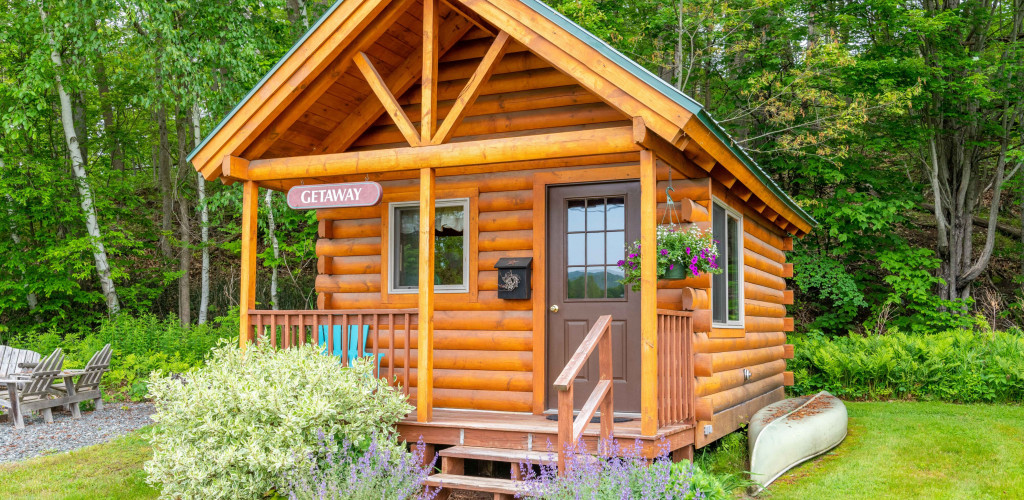
Selecting the right timber is the single most critical decision you will make when planning a custom timber dwelling. The wood species you select dictates the structural integrity, energy efficiency, maintenance routine, and overall aesthetics of your structure for generations. When consulting with experienced log home builders in colorado, prospective owners quickly learn that timber choice must account for regional climate challenges, such as steep humidity shifts and high ultraviolet exposure. Understanding how different wood species react to environmental stressors helps you invest wisely in a long-lasting, low-maintenance home.
The Architectural Science of Log Selection
Building a solid log home requires looking beyond surface aesthetics. Wood is an organic material that absorbs and releases moisture continuously, causing it to shrink, settle, and expand. Choosing the right species minimizes structural movement while maximizing long-term stability and thermal insulation.
Understanding Moisture Content and Drying Methods
Before logs are stacked, they must undergo proper seasoning to reach an acceptable moisture content. Freshly felled timber contains high levels of free water, which causes severe shrinking and checking if used immediately.
- Air-Dried Timbers: Logs are stacked outdoors in covered bays for months or years to dry naturally. This slow process reduces internal stress but requires significant patience and precise inventory control.
- Kiln-Dried Timbers: Timbers are placed inside temperature- and humidity-controlled chambers. Kiln-drying rapidly lowers moisture content to roughly 15 to 19 percent, killing pests, crystallizing pitch, and significantly reducing post-construction settling.
Thermal Mass and Insulation Ratings
Solid log walls do not retain heat in the same manner as conventional stud-framed walls packed with fiberglass insulation. Instead, log walls rely on thermal mass—the capacity of a material to absorb heat during the day and radiate it back inside as exterior temperatures drop.
Conifer woods with lower density, such as Eastern White Pine and Cedar, contain millions of tiny air pockets within their cellular structure. This microscopic composition gives lighter softwoods a superior R-value per inch compared to dense hardwoods like Oak or Hickory.
Top Softwood Species for Log Cabin Construction
Softwoods dominate the custom cabin industry due to their straight growth patterns, manageable weight, and natural insulation properties. Below are the most proven species used across North American residential builds.
+-------------------+--------------------+-------------------+---------------------+
| Wood Species      | Relative Cost      | Decay Resistance  | R-Value per Inch    |
+-------------------+--------------------+-------------------+---------------------+
| Eastern White Pine| Economical         | Moderate          | ~1.30               |
| Western Red Cedar | Premium            | Exceptionally High| ~1.40               |
| Engelmann Spruce  | Moderate           | Low to Moderate   | ~1.25               |
| Douglas Fir       | Moderate to High   | High              | ~1.20               |
| Cypress           | Premium            | High (Heartwood)  | ~1.30               |
+-------------------+--------------------+-------------------+---------------------+
Eastern White Pine: The Versatile Standard
Eastern White Pine remains the most widely used wood species in log home manufacturing. Its grain is straight, uniform, and exceptionally stable once dried.
Because it shrinks very little during the seasoning process, it provides predictable joinery performance. It accepts stains and protective finishes cleanly, allowing homeowners to achieve light honey tones or deep rustic shades. It offers an economical price point without compromising structural reliability.
Western Red Cedar: Superior Decay Resistance and Insulation
For homeowners who prioritize low maintenance and natural durability, Western Red Cedar represents a top-tier choice. Cedar secretes natural thujaplicins—organic chemical compounds that act as powerful preservatives against rot, fungal growth, and insect infestation.
Western Red Cedar features an unusually low density, yielding one of the highest insulation values of any commercial timber. While its initial material cost sits above average, its long-term resistance to weather damage offsets the expense over time.
Douglas Fir: High Structural Strength for Heavy Snow Loads
When architectural designs call for expansive open spaces, vaulted ceilings, and massive roof spans, Douglas Fir becomes the preferred material. Known for its incredible tensile and compression strength, this species handles structural loads better than almost any other commercial softwood.
Douglas Fir features a rich, reddish-orange heartwood tone and a distinct grain pattern. Because it is denser, working with log home builders who specialize in high-load framing ensures the timber is properly handled and joined to accommodate its structural weight.
Engelmann Spruce: Light Color and Straight Consistency
Engelmann Spruce grows predominantly at high elevations in western North America. It produces pale, almost white wood with a fine, uniform texture.
It is lightweight and easy to mill, making it a favorite for wall logs that require precise interlocking corners. However, Spruce has low natural rot resistance compared to Cedar or Cypress, meaning it requires rigorous sealing and well-designed roof overhangs to protect wall surfaces from driven rain.
Critical Factors When Choosing Log Home Timbers
Deciding on a log species requires balancing budget constraints, aesthetic tastes, and regional climate conditions. Evaluating these structural factors prevents expensive mistakes down the road.
Checking, Twisting, and Structural Stability
As round logs dry, the outer sapwood loses moisture faster than the inner heartwood. This differential drying creates radial cracks known as “checks.” Checking is a natural characteristic of heavy timbers and rarely compromises structural strength.
However, species prone to uneven spiral grain can twist or warp as they cure. Selecting stable species like White Pine or Kiln-Dried Cedar minimizes unwanted log movement after assembly.
Insect Resistance and Fungal Protection
Wood-boring beetles, carpenter ants, and termites pose a ongoing threat to timber structures if left unmanaged. Species rich in natural extractives, such as Cedar and Cypress, naturally deter wood-destroying insects.
If you build with species like Pine or Spruce, ensure the logs receive factory borate treatments. Borate penetrates deep into the wood fibers, rendering the timber unpalatable to insects and inhibiting decay fungi without releasing harsh toxic vapors into your living space.
Regional Climate Adaptations: Building for Mountain Environments
High-altitude environments introduce extreme conditions that test timber durability. Intense UV radiation, heavy snowpacks, and severe daily temperature fluctuations demand thoughtful species selection and architectural design.
+-----------------------------------------------------------------------------------+
|                            HIGH-ALTITUDE TIMBER PROTECTION                        |
+-----------------------------------------------------------------------------------+
|  1. DEEP OVERHANGS      --> Protects upper wall logs from high-elevation UV exposure|
|  2. ELEVATED FOUNDATION --> Keeps lower logs 18-24" above melting snow drifts     |
|  3. BREATHABLE STAINS   --> Prevents trapped moisture in dry, windy climates       |
+-----------------------------------------------------------------------------------+
In high-altitude zones, wood dries rapidly due to low ambient humidity. Selecting kiln-dried Douglas Fir or Engelmann Spruce ensures that the logs have already stabilized before exposure to dry mountain air. Additionally, keeping lower log courses elevated at least 18 to 24 inches off the finish grade prevents splash-back damage from melting winter snowdrifts.
Long-Term Maintenance Practices for Solid Log Walls
Even the highest-grade timber requires systematic maintenance to preserve its structural integrity and beauty. Establishing a regular routine protects your home against water intrusion and UV damage.
Inspecting and Maintaining Log Sealants
The joint between log courses relies on specialized elastomeric chinking or caulking paired with foam backer rods. Inspect these joints annually for gaps, tearing, or adhesion loss. Repairing compromised sealant quickly prevents cold air drafts and stops moisture from pooling inside hidden log joints.
Applying Breathable Exterior Stains
Avoid film-forming paints or clear coats that trap moisture inside the log core. Use breathable, micro-porous exterior stains formulated specifically for heavy timbers. These finishes allow interior moisture vapor to escape while repelling rain and blocking harmful ultraviolet rays that break down wood fibers.
Conclusion
Choosing the best wood for your log home comes down to matching timber characteristics with your budget, aesthetic goals, and local climate. Western Red Cedar offers unmatched natural decay resistance, Douglas Fir provides structural power for large spans, and Eastern White Pine offers exceptional stability at an accessible cost. Working alongside experienced design professionals ensures your chosen species is seasoned, treated, and assembled correctly, producing a beautiful home built to last for generations.
Frequently Asked Questions
Which wood species is the most budget-friendly for a log home?
Eastern White Pine is widely considered the most cost-effective log species. It grows abundantly, dries predictably, mills cleanly, and offers great thermal insulation without the premium price tag of Cedar or Cypress.
Do solid log walls rot over time?
Log walls can decay if they are repeatedly exposed to standing moisture and direct rain without proper protection. You can prevent rot by building generous roof overhangs, keeping logs well above the ground line, and applying breathable, water-repellent stains every 3 to 5 years.
What is log checking, and does it mean the wood is failing?
Log checking refers to the longitudinal cracks that open up as a log dries from the outside inward. Checking is a completely normal physical process in heavy timbers and almost never weakens the structural capacity of the wall log.
Should I choose kiln-dried or air-dried logs?
Kiln-dried logs are generally preferred because the controlled heating process kills insects, sets sap, and reduces internal moisture down to roughly 15-19%. This results in significantly less settling, twisting, and shrinking after the home is erected.
How often do I need to re-apply exterior stain to a log home?
Exterior finishes typically require maintenance every 3 to 7 years, depending on your climate, elevation, sun exposure, and the quality of the stain used. Walls facing south and west usually require more frequent attention due to intense UV rays.