
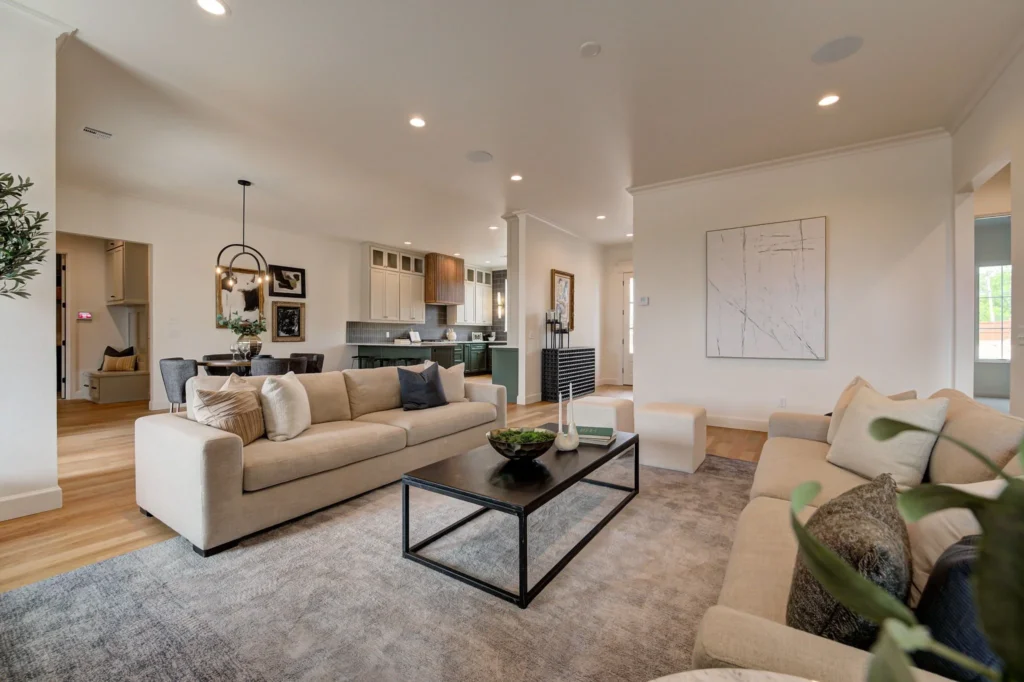
A luxury kitchen is no longer judged by how much marble it holds. Homeowners now ask how well the room works, how long it will last, and how good it feels to use every day. That is why many start by searching for the Best Luxury Remodeling Company Greensboro offers before choosing a single finish. This guide explains the layout, materials, appliances, lighting, and planning decisions that define a high-end kitchen in 2026.
What Separates a Luxury Kitchen From an Expensive One
Price alone does not make a kitchen luxurious. A room can hold costly appliances and still feel awkward if the layout fights the cook or the storage is poorly planned. True luxury shows up in details: drawers that close softly, counters at the right height, lighting that flatters both food and faces, and surfaces that still look good years later.
The second marker is customization. Luxury remodeling treats the kitchen as a built-to-order space. Cabinet sizes follow the items you own, work zones follow your cooking habits, and finishes follow the architecture of the rest of the house.
The third marker is quiet performance. Good ventilation, efficient appliances, durable hardware, and smart construction behind the walls rarely get photographed, yet they separate a showpiece from a kitchen that simply looks new.
Layout and Flow Built Around How You Cook
The most valuable luxury feature is usually invisible in photos: a floor plan that suits your routine. Before choosing finishes, a skilled design team studies who cooks, how often guests gather, and where traffic naturally moves.
Zones Instead of the Old Work Triangle
The classic triangle between sink, stove, and refrigerator still helps in small rooms, but larger kitchens now work better with defined zones. A prep zone sits near the main sink and a generous stretch of counter. A cooking zone holds the range, oils, and pans. A cleanup zone includes the dishwasher, trash pull-outs, and a second sink if space allows.
A beverage or breakfast station, set away from the main cooking area, lets family members grab coffee without crowding the cook. In a busy household, this one change can reduce more daily friction than any appliance upgrade.
Islands That Do More Than Hold Stools
Islands in a luxury kitchen carry real jobs. Some hold the prep sink, some hold a cooktop, and others serve as a clear landing spot for groceries. Many designers also plan seating so guests face the cook without sitting in the cooking path.
Clearance matters here. Walkways around an island generally need enough width for two people to pass while a dishwasher or oven door is open. Tight aisles are one of the most common regrets in large remodels.
Connected but Separated Spaces
Wide-open plans remain popular, but many homeowners now want a little separation. A pocket door, a partial wall, or a walk-in pantry can hide dirty dishes and noise while the rest of the home stays open. This balance is a recurring theme in recent high-end work.
Custom Cabinetry and Smart Storage
Cabinets take up the largest share of most kitchen budgets, and they are where luxury becomes easiest to feel. Custom cabinetry is built to your measurements, so it fills the room without awkward gaps or filler strips.
Construction and Finish Quality
Look for solid wood or high-grade plywood boxes, dovetailed drawers, full-extension soft-close hardware, and finishes applied in a controlled shop. Doors that stay flat and align evenly over time depend on these unseen choices.
Style-wise, flat-panel and shaker-inspired doors remain common, while warm wood tones, painted finishes in deeper colors, and mixed materials within one room have grown more popular than all-white schemes. A combination such as painted perimeter cabinets with a wood island adds depth without feeling busy.
Storage That Matches What You Own
Deep drawers for pots, tray dividers, spice pull-outs, appliance garages, and tall pantry cabinets with interior drawers all make the kitchen easier to use. A good designer will ask you to list your cookware and small appliances, then plan storage around that inventory instead of using stock layouts.
Hidden storage also supports a calmer look. When mixers, toasters, and knives have a home behind doors, long counters stay clear and easier to clean.
Surfaces and Materials That Age Well
Material choices shape both the look and the maintenance burden of the kitchen. Luxury remodeling in 2026 tends to favor natural character and durability over high-gloss perfection.
Countertops
Natural stone such as marble, quartzite, and granite remains a favorite for its unique veining. Marble is beautiful but can etch and stain, so some homeowners choose it for a baking area or island and use a harder stone elsewhere. Quartzite is often chosen for its strength and natural look, though the sealing needs vary by stone, so ask your fabricator for care instructions.
Engineered quartz offers consistent patterns and low upkeep. Porcelain and sintered stone slabs have also gained ground because they resist heat and stains well and can extend up the wall as a backsplash. Large slabs with few seams give a clean, high-end appearance.
Backsplashes, Flooring, and Metals
Full-height slab backsplashes, handmade-look tile, and textured ceramic add personality behind the range. For floors, wide-plank hardwood, large-format porcelain, and natural stone are common high-end picks. Radiant heating under the floor is a comfort feature many luxury clients request, especially in tile.
On metals, brushed brass, warm bronze, and aged nickel have moved ahead of bright chrome in many projects. Mixing finishes is fine when one finish clearly leads and the others support it.
Professional-Grade and Smart Appliances
Appliances in a luxury kitchen are chosen for performance and for how well they blend into the room. Many are panel-ready, meaning they accept matching cabinet fronts so the refrigerator and dishwasher disappear into the design.
Cooking Equipment
Induction cooktops have become a standard luxury choice because they heat quickly, respond precisely, and keep surrounding air cooler than gas. Serious cooks who prefer flame still choose professional-style gas ranges, and some kitchens pair both. Steam ovens, speed ovens, and warming drawers give more flexibility for entertaining.
The range hood deserves equal attention. A powerful hood needs proper ducting to the outside, and strong models often require a makeup air system so the house does not become starved for air. Local building codes govern these details, so your contractor should confirm requirements before ordering.
Refrigeration, Dishwashing, and Connected Features
Column refrigerators and freezers, built-in units, and under-counter drawers keep food organized and reduce the bulky look of a single large unit. Dishwasher drawers are handy for small loads, and some households install two full dishwashers for frequent hosting.
Smart features can be useful, such as ovens you can preheat remotely or refrigerators that alert you to an open door. Still, keep them practical. A feature you will not use is not luxury, and software support can change over the years, so choose brands with a solid service record.
Lighting Layers That Make the Room Comfortable
Lighting is one of the clearest differences between a standard remodel and a high-end one. Instead of a few ceiling fixtures, luxury kitchens use several layers that work together.
Ambient light fills the room, often through recessed fixtures or a central pendant. Task lighting sits under wall cabinets and over the island so you are not working in your own shadow. Accent lighting inside glass-front cabinets, toe-kicks, or open shelves adds warmth after dinner.
Dimmers on every circuit and warm, consistent color temperature across fixtures make the space feel finished. Decorative pendants over an island also double as sculpture, so scale them carefully. Fixtures that look generous in a showroom can feel small above a large island.
Natural light matters as well. Larger windows, a glass door to the patio, or a skylight can transform a kitchen, though each adds cost and requires structural planning.
Wellness, Air Quality, and Water Features
A growing share of luxury kitchen work focuses on health and comfort. Good ventilation removes cooking fumes and moisture. Some homeowners add a water filtration system at the main sink, a filtered cold tap, or a pot filler near the cooktop to cut down on carrying heavy pans.
Material choices also play a role. Low-emission paints and finishes, easy-to-clean surfaces, and well-planned waste and recycling pull-outs support a cleaner, calmer kitchen. These upgrades are modest compared with large appliances, yet they affect daily life in meaningful ways.
Accessibility is part of this thinking, too. Varying counter heights, lever-style handles, and wide aisles help a kitchen stay comfortable for guests and for you as your needs change. This kind of planning is often called universal design, and it adds long-term value.
Luxury Kitchen Features Compared at a Glance
The table below summarizes major features, what they offer, and what to weigh before committing. It is a planning aid, not a price quote, because costs vary widely by region, brand, and project scope.
| Feature | What It Adds | Main Consideration |
|---|---|---|
| Custom cabinetry | Exact fit, tailored storage, premium finishes | Longest lead time and largest share of budget |
| Slab countertops and backsplash | Few seams, strong visual impact | Stone needs care; porcelain edges need skilled fabrication |
| Induction cooktop | Fast, precise heat and easy cleaning | Requires compatible cookware |
| Panel-ready appliances | Seamless, built-in appearance | Higher cost and careful coordination with cabinet maker |
| Layered lighting with dimmers | Comfort, safety, mood control | Needs an early plan for wiring and fixture placement |
| Walk-in or butler’s pantry | Hidden storage and prep space | Requires extra floor area |
| Radiant floor heating | Comfortable floors, especially in tile | Installation before flooring; check system type |
| Ducted high-capacity ventilation | Cleaner air and less lingering odor | May need makeup air and code review |
Notice that the most noticeable features are not always the most important. Ventilation and lighting plans rarely draw attention in photos, yet they influence how pleasant the kitchen feels after the novelty wears off.
Planning the Project and Choosing a Remodeling Partner
Luxury projects reward patience in the planning stage. Decisions made on paper cost far less than changes made once cabinets are built or walls are open.
Set a Realistic Budget and Timeline
High-end kitchen remodels often take months rather than weeks, mostly because custom cabinets, specialty appliances, and stone slabs have long lead times. Ask for a written schedule that lists when each material must be ordered and when each trade arrives. It is also wise to hold a contingency in the budget for surprises such as hidden plumbing issues or outdated wiring.
Plan for a temporary kitchen too. A small setup with a microwave, a hot plate, and a basic sink area in another room makes the construction period far more manageable.
What to Look For in a Contractor
A reliable Luxury Remodeling team should hold the proper state and local licenses, carry insurance, and be willing to show completed kitchens of similar scope. Ask how they handle permits, who manages subcontractors, and how change orders are priced and approved. Request a detailed written estimate that separates labor, materials, and allowances so that you can compare bids fairly.
Communication style matters as much as craftsmanship. You will make many decisions over many weeks, so choose a team that explains options clearly and responds promptly. Check recent client references and online reviews, and read them with an eye for patterns instead of single comments.
Finally, confirm warranty terms in writing. Know what the contractor covers, what the manufacturers cover, and how to request service after the project ends.
Think About Resale and Neighborhood Fit
A kitchen can be wonderful and still be out of step with the house. Features should suit the home’s architecture and the price range of nearby properties. Bold personal choices are fine, but permanent elements such as major finishes and layout should have broad appeal if resale is a possibility. A real estate professional can offer local guidance on how far to push the investment.
Conclusion
A luxury kitchen remodel in 2026 is defined by thoughtful design more than showy extras. The strongest projects combine a layout that fits real routines, custom cabinetry, durable surfaces, capable appliances, layered lighting, and good ventilation. Each choice should serve daily use first and style second.
Before you commit, write down how you cook and entertain, set a realistic budget with a contingency, and interview several qualified professionals. A clear plan and a trustworthy team will help you build a kitchen that feels exceptional long after the final inspection.
Frequently Asked Questions
1. How long does a luxury kitchen remodel usually take?
Most projects take several months from design to final walkthrough. Design and permitting can take weeks, and custom cabinets, stone, and specialty appliances often have long lead times. Actual construction is only part of the schedule.
2. Is induction better than gas for a luxury kitchen?
Neither is better for everyone. Induction heats fast, controls temperature precisely, and is easy to clean, but it needs magnetic cookware. Gas gives a visible flame and works with any pan. Many homeowners choose based on cooking style and how comfortable they are with each.
3. What is the most important part of a luxury kitchen to spend on?
Layout and cabinetry usually deliver the greatest daily benefit, followed by ventilation and lighting. Appliances matter too, but even the best range cannot fix a poorly planned workspace.
4. Do I need a permit for a kitchen remodel?
Often, yes, especially when plumbing, electrical, gas, or structural work changes. Requirements differ by city and county, so confirm them with your local building department and ask your contractor to handle the permit process.
5. Which countertop material is easiest to maintain?
Engineered quartz and porcelain or sintered stone are generally the simplest to care for because they resist stains and need little sealing. Natural stone can age beautifully but usually needs more attention, so ask your fabricator about the specific stone you choose.