
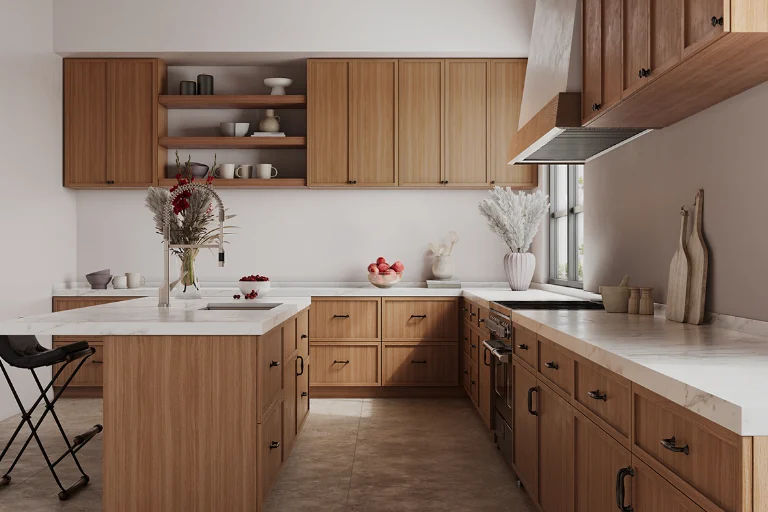
Choosing the right cabinet color can completely transform the overall look and feel of a home renovation project. While stark white and cold gray interiors ruled the last decade, homeowner preferences across the United States have shifted toward warmer, richer tones that bring comfort and natural texture into living spaces. Installing Petit Brown Cabinets offers a sophisticated way to merge classic wooden warmth with sleek, contemporary architecture. This guide explores whether this rich brown tone fits your vision, detailing its design benefits, ideal color pairings, lighting requirements, and practical long-term maintenance.
Understanding the Petit Brown Cabinet Finish
A successful kitchen redesign requires a clear understanding of your chosen color palette and materials. Finish selection impacts how light reflects in the room, how large the space feels, and how easily the cabinetry integrates with adjoining rooms.
Defining Tone and Grain Structure
Petit Brown is a mid-to-deep brown wood finish characterized by subtle warm undertones and a refined grain structure. Unlike heavy vintage espresso finishes that absorb light or yellowish oaks that look outdated, this shade sits balanced in the middle. It showcases the natural movement of timber while maintaining an even, sophisticated stain.
The grain in a Petit Brown finish is typically streamlined rather than rustic. This makes it exceptionally adaptable. Whether applied to solid hardwood or high-grade veneers, the finish provides tactile warmth without creating visual clutter.
The Shift from All-White to Warm Earth Tones
For years, bright white kitchens dominated modern home design. However, many homeowners found that all-white layouts felt sterile, cold, and difficult to keep clean. The current architectural movement leans heavily toward organic modern minimalism, an approach that pairs clean lines with raw, grounding materials.
Warm wood finishes anchor a room. They introduce a natural element that softens stainless steel appliances, polished stone counters, and concrete flooring. A medium brown cabinet finish bridge the gap between traditional craftsmanship and minimalist design principles.
Why Petit Brown Works in Modern Kitchen Layouts
Modern kitchen design relies on balance, proportion, and intentional contrast. A rich brown finish enhances these principles across various architectural configurations.
1. Creating Depth and Visual Contrast
In open-concept layouts, cabinetry serves as a key visual focal point. Darker or mid-toned wooden cabinets ground the kitchen area, defining it clearly within a larger living or dining room. When contrasted with lighter walls and countertops, the cabinets create structural depth that makes flat walls look dimensional.
2. Highlighting Clean Architectural Lines
Modern cabinetry often features flat-panel slab doors or slim Shaker profiles. Flat or minimally detailed door styles let the natural quality of the stain shine. The smooth application of a mid-brown finish emphasizes the crisp edges and geometric shapes characteristic of modern architecture.
3. Hiding Everyday Wear and Tear
Kitchens are high-traffic zones subject to spills, fingerprints, and daily activity. Ultra-light painted cabinets show smudges, grease marks, and scuffs almost immediately. A rich, textured wooden finish hides minor surface dust and wear far better than flat paint, making it a practical choice for busy households.
Complementary Materials, Countertops, and Color Palettes
Achieving a high-end look depends on how well cabinetry pairs with surrounding surfaces. Pairing dark or mid-tone wood requires careful selection of countertops, backsplashes, hardware, and flooring.
+------------------------+------------------------------------+-------------------------------------+
| Kitchen Surface        | Recommended Materials & Colors     | Visual Impact                       |
+------------------------+------------------------------------+-------------------------------------+
| Countertops            | Calacatta Quartz, Taj Mahal        | High contrast; brightens working    |
|                        | Quartzite, Honed White Granite     | zones without clashing.             |
+------------------------+------------------------------------+-------------------------------------+
| Backsplash             | Handcrafted Zellige Tile, White    | Introduces subtle texture; reflects |
|                        | Subway Tile, Slab Quartz           | natural and task lighting.          |
+------------------------+------------------------------------+-------------------------------------+
| Hardware Finishes      | Brushed Brass, Champagne Bronze,   | Warm metals add luxury; matte black |
|                        | Matte Black, Satin Nickel          | delivers crisp modern edge.         |
+------------------------+------------------------------------+-------------------------------------+
| Flooring Pairings      | Light Oak Hardwood, Beige Porcelain| Prevents dark-on-dark heaviness;    |
|                        | Tile, Polished Light Concrete      | maintains open, airy feel.          |
+------------------------+------------------------------------+-------------------------------------+
Countertop Selection for Warm Wood Cabinets
To keep the kitchen bright, pair rich brown lower cabinets with light-colored countertops. White marble-look quartz with subtle gray or gold veining works exceptionally well. The light stone reflects ambient light back into the room, offsetting the deeper cabinet tones.
If you prefer a softer, monochromatic look, quartzite options like Taj Mahal offer creamy beige tones that blend seamlessly with Petit Brown. Avoid overly dark countertops, such as solid black granite, unless the room receives abundant natural sunlight, as this combination can make the space feel cramped.
Backsplash Ideas That Enhance Warmth
A backsplash should connect your countertops and upper cabinetry smoothly. White or off-white Zellige tile adds an artisan touch with slight shade variations and glossy glazes that catch the light. Alternatively, extending your countertop quartz up the wall as a continuous slab creates a seamless, low-maintenance look that highlights modern kitchen lines.
Hardware Options: Brass vs. Matte Black
Hardware acts as the jewelry of your cabinetry. Your choice of metal changes the overall tone of the kitchen:
- Brushed Brass and Champagne Bronze: These warm metallic finishes highlight the amber undertones in brown wood, creating an elegant, upscale aesthetic.
- Matte Black: Offers sharp geometric contrast. Black handles and pulls give traditional Shaker or slab doors an industrial, modern edge.
- Satin Nickel: Provides a muted, neutral look that matches standard stainless steel appliances without drawing attention away from the wood finish.
Lighting Strategies to Maximize Warm Wood Finishes
Wood finishes absorb more light than glossy white paint. Proper lighting design is essential to prevent rich brown cabinets from making a room look dark or small.
Layering Natural and Artificial Light
A well-lit kitchen uses three distinct layers of light: ambient, task, and accent lighting.
- Ambient Overhead Lighting: Recessed ceiling lights should be spaced evenly to eliminate dark corners. Aim for a color temperature between 2700K and 3000K. Warm white light keeps wood tones rich, whereas cold light (4000K+) can make brown wood look dull or washed out.
- Under-Cabinet LED Strip Lighting: Under-cabinet task lighting illuminates prep areas on the countertop while casting a warm glow across the lower cabinet faces. This prevents shadows from forming underneath upper boxes.
- Statement Pendant Lights: Glass, woven rattan, or brass pendant lights over a kitchen island break up dark horizontal surfaces and add visual height to the layout.
Layout Suggestions for Small vs. Large Spaces
Cabinet placement can dramatically alter spatial perception. Here is how to use rich brown finishes effectively regardless of square footage.
Optimizing Small Kitchens
In compact galley kitchens or apartment layouts, floor-to-ceiling dark cabinets can feel overwhelming. To maintain an open feel:
- Use Petit Brown on the lower cabinets and base island, while keeping upper walls white with open floating shelves.
- Incorporate glass-front upper cabinet doors to create depth and display light tableware.
- Ensure flooring remains significantly lighter than cabinet bases to visually lift the room.
Designing Large and Open-Concept Kitchens
In spacious homes, mid-to-dark finishes truly shine. You can comfortably use full-height cabinetry runs, integrated appliance panels, and large matching islands without shrinking the space. Combining a Petit Brown island with a perimeter of soft off-white cabinets creates a classic two-tone layout that adds architectural interest.
Maintenance and Longevity of Wood Finishes
Investing in quality kitchen cabinetry requires an understanding of long-term care and durability.
Daily Cleaning Routine
Wood finishes require gentle cleaning to protect their protective topcoats. Avoid harsh chemicals, bleach, or abrasive scrubbing pads, which can dull or strip the clear sealant.
- Wipe surfaces daily using a soft microfiber cloth dampened with warm water and a drop of mild dish soap.
- Dry cabinet faces immediately after wiping to prevent moisture from seeping into wood joints.
- Clean spills near handles and the stove promptly to stop grease buildup.
Protecting Against Sun Bleaching and Moisture
Direct exposure to strong sunlight can cause natural wood stains to shift over time. If your kitchen features large south-facing windows, consider installing UV-filtering window films or light shades to protect your cabinetry. Keep humidity levels between 35% and 55% to prevent real wood components from expanding, shrinking, or warping over time.
Conclusion
Choosing Petit Brown cabinetry is an excellent way to design a warm, modern kitchen that avoids feeling sterile. Its mid-tone brown stain offers timeless elegance, hides everyday scuffs, and pairs effortlessly with quartz counters, brass hardware, and warm lighting. By balancing deep wood tones with light countertops, bright backsplash tiles, and layered warm lighting, you can create an inviting space tailored to modern living.
Frequently Asked Questions
Are brown cabinets coming back into style for modern kitchens?
Yes, warm wood tones have returned to modern interior design. Homeowners are stepping away from high-maintenance white kitchens in favor of organic modern finishes that bring natural texture, comfort, and warmth into the home.
What paint colors go best with Petit Brown cabinets?
Warm off-whites, creamy alabaster, soft beige, and muted sage greens complement brown wood cabinets exceptionally well. Avoid stark, blue-toned whites, which can create harsh, uninviting visual contrast.
How do I keep dark or mid-tone wood cabinets from making my kitchen look small?
Pair darker base cabinets with light-colored countertops, bright backsplashes, and light flooring. Incorporating open shelving, glass upper cabinet doors, and under-cabinet LED lighting also keeps compact spaces feeling open and bright.
What hardware finish looks best on Petit Brown cabinets?
Brushed brass and champagne bronze offer a luxurious look by highlighting the wood’s warm undertones. For a crisp, modern aesthetic, matte black hardware provides strong geometric contrast.
Is a two-tone kitchen layout a good idea with brown cabinets?
Yes, two-tone layouts are ideal for balancing rich wood finishes. Using a brown wood finish on the kitchen island or lower cabinets while using soft white or cream on upper wall cabinets builds depth without overwhelming the space.