
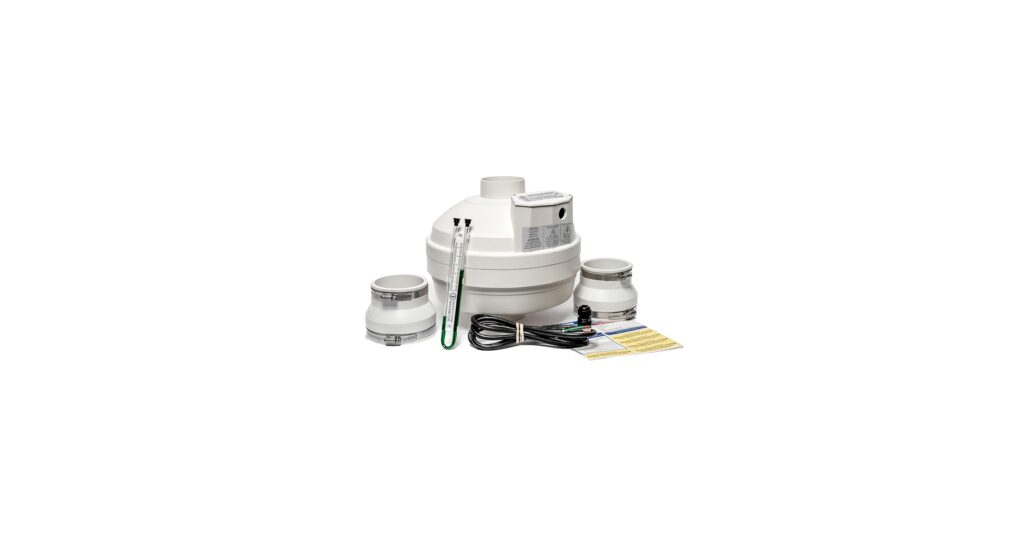
Complex radon operations can involve several moving parts, from ventilation planning and equipment selection to installation, monitoring, and maintenance. When these tasks are difficult to coordinate, small workflow issues can create unnecessary delays. For professionals and property owners seeking a more manageable approach, AMG eagle extreme ec may offer a practical option worth considering. The goal is not simply to move air, but to support a more organized and dependable radon management process.
Understanding the Challenge of Complex Radon Operations
Radon mitigation is rarely limited to installing a fan and walking away. Every building has different characteristics, including its foundation design, soil conditions, pipe layout, air pressure, and ventilation requirements.
A mitigation professional may need to coordinate several activities at once. These can include selecting appropriate equipment, designing the pipe route, checking airflow, monitoring system performance, and scheduling future maintenance.
When these responsibilities are handled without a clear process, operational complexity can increase quickly. A reliable radon fan can help simplify one of the most important parts of the system: continuous air movement through the mitigation pathway.
Why Workflow Efficiency Matters
Efficiency is especially important when professionals manage multiple properties. Repeating complicated procedures at every location can consume valuable time and increase the chance of mistakes.
A streamlined setup can help professionals:
- Organize installation tasks more effectively
- Reduce unnecessary equipment adjustments
- Monitor system performance more consistently
- Plan maintenance before problems become serious
- Improve communication with property owners
- Maintain more predictable service schedules
These benefits can make a noticeable difference over time, particularly for contractors handling residential and commercial projects.
How Extreme EC Can Support Operational Simplicity
The usefulness of a radon fan depends on how well it fits into the overall mitigation system. A product designed for consistent operation can help reduce some of the uncertainty involved in managing an active radon mitigation setup.
The extreme ec concept can be particularly relevant when professionals want equipment that fits into an organized workflow rather than creating another complicated task.
Instead of viewing the fan as an isolated component, it helps to consider how it supports the entire system. Airflow, pipe configuration, installation conditions, electrical requirements, and ongoing maintenance all work together.
Supporting Consistent Air Movement
Radon mitigation systems rely on moving soil gas away from occupied areas and safely exhausting it outside. The fan is central to that process because it creates the pressure difference needed to move air through the mitigation piping.
Consistent operation can make system management easier. However, performance should always be evaluated according to the specific building, system design, and manufacturer’s specifications.
Reducing Unnecessary Complexity
Equipment that is straightforward to install and maintain can make a contractor’s workflow more predictable. This does not mean every installation will be simple, because building conditions vary considerably.
Instead, the advantage comes from having a component that can be incorporated into a repeatable installation process.
Key Areas Where Better Equipment Can Improve Workflow
A useful way to evaluate any radon fan is to consider how it affects the complete service cycle rather than looking only at its basic operating function.
| Operational Area | Potential Benefit | Practical Result |
|---|---|---|
| Installation | Clear equipment integration | More organized project workflow |
| Airflow management | Consistent system operation | Easier performance monitoring |
| Maintenance | Predictable servicing needs | Better scheduling |
| Troubleshooting | Familiar system configuration | Faster diagnosis |
| Project management | Repeatable procedures | Improved efficiency |
| Property communication | Easier system explanation | Better customer understanding |
This broader perspective can help professionals determine whether a particular solution fits their working methods.
Improving Installation Planning
Good installation planning can prevent many problems before the fan is even switched on. Professionals should first understand the building and determine the most appropriate mitigation approach.
Factors such as pipe length, bends, discharge location, foundation type, and electrical access can influence the final setup.
Create a Consistent Installation Checklist
A checklist can make repeated projects easier to manage. For example, installers can verify:
- The mitigation strategy has been selected appropriately.
- The piping route has been reviewed.
- Required electrical provisions are available.
- The fan location is suitable.
- Exhaust discharge requirements are considered.
- System connections are secure.
- The completed system is tested.
- The property owner receives basic operating information.
A standardized checklist does not replace professional judgment. Instead, it helps prevent routine steps from being overlooked.
Making Maintenance More Manageable
Radon mitigation equipment operates over extended periods, so maintenance should be part of the original planning process. Waiting until a noticeable problem develops can make troubleshooting more difficult.
A maintenance schedule can include visual inspections, checking system connections, listening for unusual operating sounds, and confirming that the system continues to function as intended.
Why Preventive Checks Matter
Preventive maintenance can help identify developing issues before they affect overall system performance. For professionals managing many installations, scheduled checks also make service workloads easier to organize.
Property owners can benefit as well. A simple maintenance record gives them a clearer understanding of when their system was inspected and what was checked.
Using Better Processes for Troubleshooting
Even a well-designed mitigation system can experience issues. A fan may stop operating, connections can deteriorate, piping can become damaged, or building conditions can change.
The key is having a structured troubleshooting process.
A Practical Troubleshooting Approach
When investigating a problem, professionals can work through the system methodically:
- Confirm whether the fan is receiving power.
- Check visible connections and piping.
- Look for unusual noise or vibration.
- Review pressure or airflow indicators when applicable.
- Inspect accessible system components.
- Compare current performance with previous observations.
- Determine whether professional repair or replacement is required.
A systematic approach reduces guesswork. It also makes service calls more efficient because technicians can document what they checked and what action was taken.
Helping Professionals Manage Multiple Properties
Complex operations become even more challenging when one contractor manages dozens or hundreds of mitigation systems.
In that situation, consistency becomes just as important as individual equipment performance. Professionals need practical ways to track installations, service dates, equipment details, and inspection results.
Build a Simple Service Management System
A basic digital or paper record can include:
- Property address
- Installation date
- Fan model
- System configuration
- Last inspection date
- Maintenance notes
- Recommended next service date
- Reported customer concerns
This information can save time during future visits. It also helps technicians understand the history of a system before making changes.
Considering Energy and Operating Costs
Operating costs are another consideration when selecting mitigation equipment. A fan that runs continuously can contribute to electricity consumption, so professionals and property owners should consider efficiency alongside performance.
However, energy efficiency should never be considered separately from the needs of the mitigation system. The correct equipment should provide appropriate performance for the installation rather than simply using the least electricity possible.
The right balance depends on the building, system design, fan characteristics, and operating conditions.
Improving Communication With Property Owners
Technical explanations can sometimes overwhelm homeowners. A complicated mitigation system becomes easier to understand when professionals explain its purpose in plain language.
Instead of focusing heavily on technical specifications, explain what the system does, why the fan operates, and what signs may indicate a problem.
Give Homeowners Clear Instructions
A homeowner should know:
- What the mitigation fan does
- Why continuous operation may be necessary
- Where the system components are located
- What unusual signs to report
- When professional inspection may be appropriate
- Why blocking or altering the system can cause problems
Clear communication can reduce accidental interference and help homeowners feel more confident about maintaining the system.
Practical Tips for Streamlining Radon Operations
Professionals can improve efficiency without making their workflow unnecessarily complicated.
Standardize Repeated Tasks
Use consistent procedures for installation, inspection, documentation, and follow-up. Standardization makes training easier and reduces variation between service visits.
Document System Performance
Keep records of relevant measurements and observations. Historical information can make future troubleshooting faster and help identify changes over time.
Select Equipment Carefully
Do not choose a fan based on one specification alone. Consider system requirements, installation conditions, expected operating demands, maintenance needs, and manufacturer guidance.
Schedule Maintenance Proactively
Planned service visits are generally easier to manage than emergency calls. A calendar-based approach can also help contractors balance workloads.
Review the Entire System
A fan cannot compensate for an unsuitable mitigation design. Always consider the complete system, including suction points, piping, exhaust location, electrical connections, and building conditions.
What to Consider Before Choosing a Radon Fan
Selecting equipment should involve more than comparing product names. Professionals should evaluate whether the fan is appropriate for the intended application and whether it can be integrated into their established workflow.
Important considerations include:
- Compatibility with the planned mitigation design
- Expected airflow and pressure requirements
- Installation environment
- Electrical requirements
- Noise considerations
- Maintenance access
- Manufacturer specifications
- Long-term operating expectations
For any specific installation, qualified professionals should follow applicable building requirements and manufacturer instructions.
Can Extreme EC Really Simplify Complex Operations?
It can contribute to a more streamlined process when the equipment is appropriately matched to the mitigation system and supported by good installation and maintenance practices.
However, no individual fan should be treated as a complete solution to operational complexity. Effective radon management depends on system design, professional installation, monitoring, maintenance, documentation, and homeowner awareness.
The real benefit comes from combining suitable equipment with a repeatable workflow. When those pieces work together, contractors can spend less time dealing with avoidable complications and more time delivering dependable service.
Conclusion
Complex radon operations become easier to manage when equipment, procedures, and maintenance are treated as parts of one system. A suitable fan can support consistent air movement, simplify routine service, and contribute to a more organized workflow. Extreme EC may be worth considering for professionals looking to improve how they manage mitigation projects, provided its specifications match the installation requirements. Ultimately, reliable results come from thoughtful system design, proper installation, regular inspection, and clear communication. By combining the right equipment with practical processes, radon professionals can make complex operations more predictable, efficient, and easier for property owners to understand.
FAQs
1. What is the role of a radon fan?
A radon fan creates the pressure needed to move radon-containing soil gas through a mitigation system and discharge it safely outside the building.
2. Can a better fan simplify radon mitigation work?
A suitable fan can make system operation and maintenance more predictable. However, overall efficiency also depends on proper system design, installation, and ongoing inspection.
3. How often should a radon mitigation system be checked?
Inspection schedules vary by system and local recommendations. Property owners should follow professional guidance and monitor the system for signs of malfunction.
4. What should professionals consider when selecting a radon fan?
They should consider airflow requirements, pressure, system design, installation conditions, electrical needs, operating environment, maintenance access, and manufacturer specifications.
5. Can homeowners maintain a radon mitigation system themselves?
Homeowners can perform basic visual checks and monitor for obvious changes, but electrical work, repairs, performance problems, and major modifications should generally be handled by qualified professionals.