
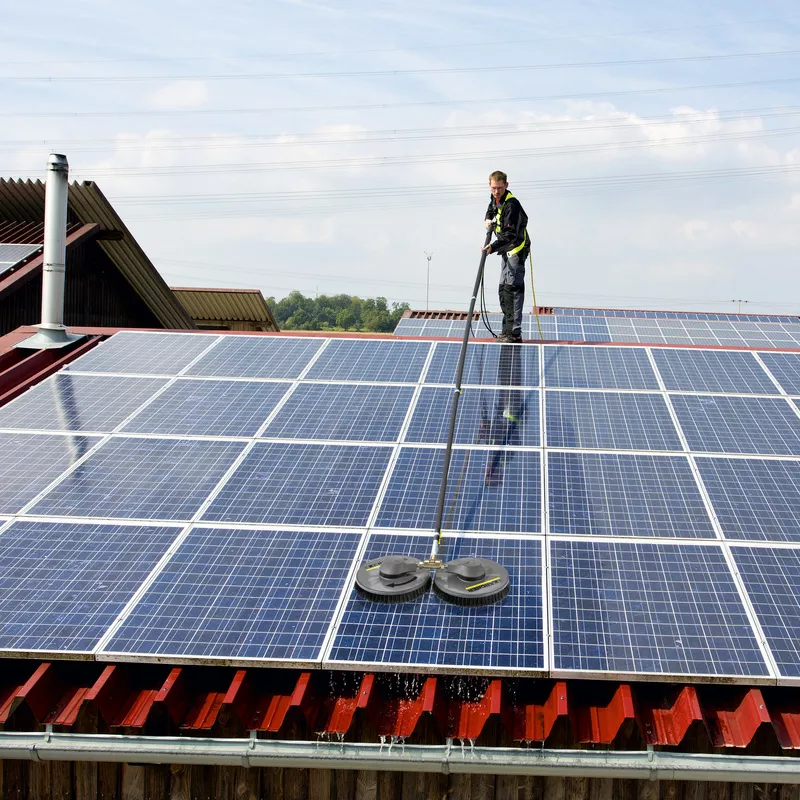
Solar panels are built to spend years outdoors, but they are not completely maintenance-free. Dust, pollen, bird droppings, leaves, and nearby vegetation can gradually interfere with their performance. For homeowners and property managers, understanding routine maintenance can prevent small issues from becoming expensive repairs. For larger systems, especially ground-mounted arrays, regular Ground-Mount Solar Panel Cleaning can help keep panels operating efficiently while protecting the investment.
Why Solar Panels Need Regular Maintenance
Solar panels have few moving parts, which makes them relatively low-maintenance compared with many other household systems. However, their outdoor location exposes them to changing weather, dirt, moisture, animals, and physical debris.
A thin layer of dust may not cause an immediate problem, but accumulated contamination can reduce the amount of sunlight reaching the photovoltaic cells. Heavy deposits, particularly bird droppings or sticky organic material, can create localized areas of reduced performance.
Routine maintenance also provides an opportunity to identify problems early. A cracked panel, damaged cable, loose mounting component, or unusual shading issue may be easier and less expensive to address when discovered promptly.
Common Sources of Solar Panel Dirt
Several types of contamination can collect on solar modules:
- Dust and fine soil particles
- Pollen and plant debris
- Leaves and small branches
- Bird droppings
- Mud and rain residue
- Industrial or construction dust
- Salt deposits in coastal areas
- Moss or algae in damp environments
The amount of buildup depends heavily on the property’s surroundings. A system beside a busy road, agricultural field, construction site, or large group of trees may require more attention than one in a relatively clean, open area.
How Often Should Solar Panels Be Cleaned?
There is no universal cleaning schedule that works for every solar installation. Instead, maintenance frequency should reflect local weather, environmental conditions, panel angle, and the amount of visible contamination.
For many residential systems, an occasional inspection combined with cleaning when substantial buildup appears may be sufficient. Areas that receive frequent rainfall may naturally remove some loose dust, while dry regions can experience more persistent accumulation.
The best approach is to monitor performance and inspect the panels periodically rather than automatically cleaning them every few weeks.
Factors That Affect Cleaning Frequency
Consider these conditions when deciding how often cleaning may be necessary:
| Condition | Possible Maintenance Impact |
|---|---|
| Frequent dust | May require more frequent inspections |
| Heavy rainfall | Can naturally remove some loose debris |
| Nearby trees | Increases leaves, pollen, and shade |
| Bird activity | May create localized deposits |
| Coastal location | Salt residue may accumulate |
| Dry climate | Dust can remain on the panel surface |
| Low panel angle | Debris may remain longer |
| Nearby construction | Fine particles may settle quickly |
These factors can change over time. A property that once needed little cleaning may require additional attention after landscaping changes, nearby construction, or a change in local environmental conditions.
What Does Solar Panel Cleaning Involve?
Proper Solar Panel Cleaning is more than simply spraying water across the array. The objective is to remove harmful or performance-reducing contamination without damaging the panel surface, frame, wiring, or mounting system.
Before cleaning begins, the condition of the installation should be assessed. Look for obvious cracks, damaged components, loose cables, heavy debris, or other signs that require professional attention.
If the system is difficult to access, working at height may introduce unnecessary safety risks. In those situations, hiring a qualified professional is often more appropriate than attempting the job personally.
Choosing Appropriate Cleaning Methods
For light dirt, clean water and suitable soft cleaning equipment may be enough. Abrasive brushes, harsh chemicals, and rough tools should generally be avoided because they can damage surfaces or leave residues.
Hard water can also create mineral spots after drying. Where appropriate, professional cleaners may use purified or deionized water and specialized equipment to reduce spotting.
The exact method should depend on the manufacturer’s maintenance recommendations. Panel manufacturers may have specific instructions regarding approved cleaning techniques and products.
Should You Clean Solar Panels Yourself?
A homeowner may be able to inspect easily accessible panels from a safe location, but physical cleaning requires more caution.
Solar installations contain electrical components, and rooftop work introduces fall hazards. Wet surfaces can make those hazards worse. Consequently, cleaning should never take place in conditions where the person performing the work cannot maintain safe access.
When Professional Cleaning Makes Sense
Professional service can be particularly useful when:
- Panels are installed on a steep roof.
- The array is large or difficult to access.
- Heavy contamination has accumulated.
- The property has extensive bird activity.
- The installation is ground-mounted but covers a large area.
- There are visible electrical or structural concerns.
- Cleaning requires specialized equipment.
Professionals can also combine cleaning with a visual inspection, allowing potential maintenance problems to be identified during the same visit.
Inspecting Panels Beyond Surface Cleaning
Cleaning addresses visible contamination, but maintenance should not stop there. A solar system can look clean while still experiencing an electrical, structural, or performance-related problem.
During a routine inspection, homeowners or service professionals can look for visible changes such as cracks, damaged frames, loose components, corrosion, or signs of animal activity.
Performance monitoring is equally useful. If the system consistently produces less energy than expected under similar conditions, that change deserves investigation.
Check for Shading and Vegetation
Trees and plants can become a maintenance issue as they grow. Branches that did not shade panels when the system was installed may eventually block sunlight during part of the day.
Ground-mounted systems are particularly exposed to surrounding vegetation. Keeping grass, weeds, shrubs, and trees under control can help maintain clear sunlight and provide safer access around the array.
Vegetation should be managed carefully so that landscaping equipment does not strike panels, cables, or support structures.
What Maintenance Do Ground-Mounted Systems Need?
Ground-mounted solar installations have several advantages from a maintenance perspective because they can be easier to access than rooftop systems. However, their proximity to the ground also exposes them to additional environmental conditions.
Grass clippings, soil, leaves, insects, and animal activity can affect the area around the panels. Nearby vegetation may also grow into the array’s path or create unwanted shade.
Regular inspection of the surrounding ground is therefore an important part of system care.
Keep the Area Around Panels Clear
A practical maintenance routine may include:
- Removing vegetation that creates significant shading.
- Keeping access paths clear.
- Checking for accumulated leaves and branches.
- Looking for signs of animals or nesting.
- Inspecting visible cables for damage.
- Checking mounting areas for obvious movement or corrosion.
- Cleaning panels when contamination becomes substantial.
Ground maintenance should be performed without disturbing electrical components or the structural foundation of the system.
How Weather Affects Solar Panel Maintenance
Weather plays a major role in determining how much maintenance a solar array needs. Strong winds can bring branches and debris onto panels, while storms may expose mounting components to additional stress.
Rain can remove loose dirt, but it does not guarantee that panels will remain clean. Rainwater can also leave mineral deposits when it dries, particularly in areas with harder water or significant airborne particles.
Snow presents another consideration in colder parts of the United States. Panels are commonly installed at angles that can encourage snow to slide off, but property owners should follow manufacturer guidance rather than using unsafe methods to remove accumulated snow.
How to Know When Cleaning Is Necessary
Visible dirt is an obvious sign, but it is not the only indicator. A noticeable and unexplained decline in energy production may justify an inspection.
However, reduced output does not automatically mean dirty panels are responsible. Inverter problems, shading, equipment faults, weather conditions, wiring issues, or other technical factors can also affect production.
For that reason, cleaning should be treated as one part of a broader maintenance strategy rather than the automatic solution to every performance problem.
Monitor System Performance
Many modern solar systems provide monitoring through an inverter, display, or software platform. Reviewing production trends can help identify unusual changes.
Instead of reacting to a single low-production day, look for persistent patterns. Comparing similar weather and seasonal conditions can provide a more meaningful picture of system performance.
If production drops significantly without an obvious environmental explanation, a qualified solar professional can determine whether the issue involves cleanliness, equipment, or another component.
Maintenance Tasks Homeowners Should Not Ignore
Small maintenance details can have a meaningful effect on the long-term condition of a solar installation.
Homeowners should periodically check whether new trees or structures are creating shade. They should also watch for visible debris, unusual damage, or changes in system performance.
Keeping records can make maintenance easier. Note cleaning dates, inspections, unusual weather events, and any professional service performed on the system.
A Simple Maintenance Checklist
Use this checklist as a practical starting point:
- Inspect panels periodically for visible debris.
- Look for cracks or physical damage.
- Monitor energy production.
- Keep nearby vegetation under control.
- Check accessible areas for animal activity.
- Remove leaves and branches safely.
- Schedule professional inspections when appropriate.
- Follow the manufacturer’s cleaning recommendations.
- Avoid abrasive tools and unsuitable chemicals.
- Address unexplained performance changes promptly.
This routine does not replace professional electrical servicing, but it can help property owners recognize when additional attention may be needed.
How Professional Solar Panel Cleaning Helps
Professional cleaning services can be useful for systems that are large, difficult to access, or exposed to heavy contamination. Experienced cleaners understand that solar modules require a different approach from ordinary windows or exterior surfaces.
A careful service can remove accumulated material while minimizing the risk of scratching the surface or damaging nearby components.
Professional maintenance can also save time for homeowners and property managers who would otherwise need to purchase specialized equipment or work in potentially hazardous areas.
Cleaning Should Be Part of a Larger Plan
The goal is not to clean panels as frequently as possible. The goal is to keep the system in suitable condition while avoiding unnecessary work.
A practical maintenance plan combines visual inspections, performance monitoring, vegetation control, appropriate cleaning, and professional servicing when required.
This approach is more useful than relying on a fixed cleaning schedule without considering the property’s actual conditions.
Protecting the Long-Term Value of a Solar System
Solar panels are a significant investment, so maintaining them properly can help protect their useful life. Good maintenance also makes it easier to identify developing issues before they become more complicated.
Cleaning alone cannot guarantee maximum energy production. Nevertheless, removing excessive contamination and maintaining the surrounding area can help panels receive unobstructed sunlight.
The most effective maintenance strategy is therefore consistent, condition-based, and aligned with the manufacturer’s recommendations.
Conclusion
Solar panels require less maintenance than many mechanical home systems, but they should not be completely forgotten after installation. Regular inspections, vegetation control, performance monitoring, and appropriate Solar Panel Cleaning can help keep an array in good working condition. Ground-mounted systems also benefit from attention to the surrounding landscape and access areas. Rather than following an unnecessarily strict cleaning schedule, property owners should consider local weather, environmental conditions, visible buildup, and system performance. When access or electrical concerns create safety risks, professional service is the sensible approach. A simple, consistent maintenance routine can protect the system and support dependable solar energy production for years.
FAQs
1. Do solar panels need to be cleaned regularly?
Solar panels do not necessarily require cleaning on a fixed schedule. The need depends on dust, pollen, bird activity, rainfall, nearby vegetation, and other environmental conditions. Periodic inspections can help determine when cleaning is appropriate.
2. Can rain clean solar panels?
Rain can remove loose dust and some surface debris, but it does not always provide a complete cleaning. Rain may also leave mineral spots or fail to remove sticky materials such as bird droppings.
3. What is the safest way to clean solar panels?
Follow the manufacturer’s cleaning recommendations and avoid abrasive equipment or harsh chemicals. If panels are difficult to reach, installed at height, or connected to equipment that creates safety concerns, consider professional service.
4. How can I tell if dirty panels are reducing solar production?
Look for persistent drops in energy production alongside visible contamination. However, reduced output can have several causes, including shading, equipment faults, weather, or electrical problems, so unexplained changes should be investigated rather than automatically attributed to dirt.
5. Do ground-mounted solar panels need more maintenance?
Ground-mounted systems can be easier to access, but they may encounter more grass, soil, leaves, insects, and animal activity. Keeping surrounding vegetation controlled and inspecting the area regularly can help maintain safe access and reduce shading or debris problems.