
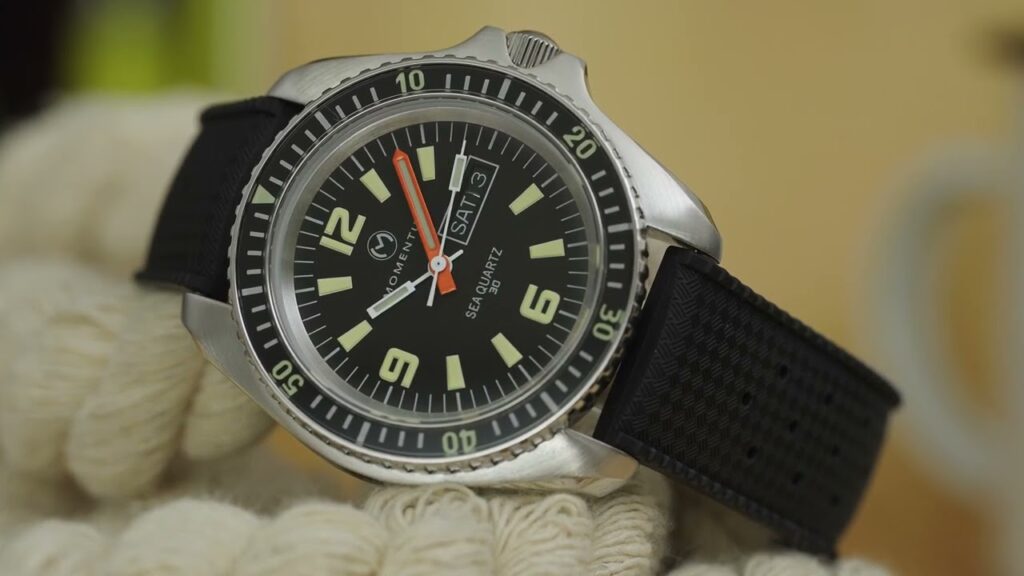
A watch used to tell you when to leave home; now, it can help you decide when to move, rest, call someone, or check your schedule. For many people, smart watches have become practical companions rather than simple timepieces. From Watches for Men Atlanta GA to wearable accessories sold across the United States, modern watches combine useful technology with everyday style, helping users manage small tasks without constantly reaching for a phone.
Smart Watches Have Become Everyday Tools
The biggest change in watches is their role. Instead of serving only as timekeeping accessories, smart watches can support communication, fitness, scheduling, navigation, and personal organization.
That convenience matters because many daily tasks happen in short moments. Checking a notification during a commute, setting a timer while cooking, or viewing a calendar reminder can take only a few seconds.
Smart watches also reduce the need to pull out a smartphone repeatedly. This can make routine activities feel more organized, especially for people who spend much of their day moving between work, home, exercise, and social commitments.
How Smart Watches Improve Time Management
Managing time is one of the simplest ways a smart watch can improve a daily routine. Instead of relying entirely on a phone, users can view reminders and alerts directly from their wrist.
Calendar and Reminder Support
A smart watch can display upcoming appointments, meetings, birthdays, and other reminders. This is especially useful when the phone is inside a bag, pocket, or another room.
For example, someone preparing for a work meeting can receive a wrist notification several minutes before the scheduled start. That small reminder may prevent missed appointments without requiring constant calendar checks.
Timers and Alarms
Timers can also make ordinary activities easier. Users can set reminders for cooking, workouts, study sessions, medication schedules, breaks, or other recurring tasks.
Because the watch stays on the wrist, an alert is often easier to notice than a phone notification buried among emails and social media messages.
Fitness Tracking Fits Naturally Into Daily Life
Fitness tracking is one of the most recognizable features of smart watches. However, its value is not limited to serious athletes.
A wearable can encourage users to pay attention to movement throughout the day. Step counts, activity reminders, workout records, and heart-rate information can provide useful feedback about everyday habits.
Making Movement More Visible
People may spend hours sitting without realizing how little they have moved. A smart watch can provide reminders to stand, walk, or take a short activity break.
These prompts do not replace professional health advice, but they can encourage greater awareness of personal activity patterns.
Supporting Different Types of Exercise
Smart watches commonly offer tracking modes for activities such as walking, running, cycling, swimming, and strength training. Depending on the device, users may also receive information about distance, pace, duration, or estimated energy expenditure.
This information can help people compare workouts over time and create more consistent exercise habits.
Smart Watches Make Communication More Convenient
A smartphone remains essential for many communication tasks, but a smart watch can handle simple interactions without requiring a user to hold the phone.
Calls, text notifications, email alerts, and app notifications can appear on the wrist. Some devices also allow users to respond to messages using voice input, predefined responses, or an on-screen keyboard.
Filtering Notifications
One advantage is the ability to see what needs attention before reaching for a phone. A quick glance can tell users whether a notification is urgent or can wait.
This can be particularly useful during meetings, workouts, shopping trips, or other situations where using a phone is inconvenient.
Smart Watches Can Support Safer Daily Routines
Safety features have become another important part of wearable technology. Depending on the model, smart watches may include emergency calling, location sharing, fall detection, or crash-related assistance.
These features can provide an additional communication option when a person cannot easily access a smartphone.
However, users should understand that safety functions differ by manufacturer, model, location, cellular service, and device settings. Before relying on an emergency feature, it is wise to review how it works and keep the device properly charged.
Smart Watches and Sleep Awareness
Many smart watches can also monitor sleep patterns. Depending on the device, they may estimate sleep duration and provide information about different sleep stages or nighttime movement.
The goal is not to treat the watch as a medical diagnostic device. Instead, sleep tracking can help users notice patterns that may encourage better habits.
For example, someone who regularly stays up late might recognize a connection between bedtime routines and how rested they feel the next morning.
How Smart Watches Compare With Traditional Watches
Traditional watches still offer qualities that technology-focused devices cannot completely replace. They can provide timeless styling, simplicity, craftsmanship, and long-term appeal.
Smart watches, meanwhile, emphasize connectivity and functionality. The right choice depends largely on what the wearer expects from an accessory.
| Feature | Smart Watch | Traditional Watch |
|---|---|---|
| Timekeeping | Yes | Yes |
| Notifications | Usually available | Generally unavailable |
| Fitness tracking | Available on many models | Usually unavailable |
| Calls and messages | Available on selected models | Generally unavailable |
| Battery charging | Required regularly | Depends on movement or battery type |
| Style options | Wide range | Very wide range |
| Smartphone integration | Strong | Limited or none |
| Long-term simplicity | Lower | Often higher |
For some consumers, owning both types makes sense. A traditional watch may suit formal occasions, while a smart watch can handle workouts, commuting, and everyday errands.
Choosing Smart Watches for Different Lifestyles
Not every wearer needs the same features. Before purchasing a smart watch, it helps to identify the activities that matter most.
For Busy Professionals
Professionals may prioritize calendar alerts, calls, messages, email notifications, timers, and battery life.
A clean design can also make the watch suitable for both office clothing and casual wear.
For Active Users
People who exercise regularly may want accurate activity tracking, GPS, workout modes, water resistance, and durable construction.
Battery life becomes especially important for users who want continuous activity or sleep tracking.
For Style-Conscious Wearers
Accessories should fit the wearer’s personal style rather than compete with it. Many smart watches offer interchangeable bands and different case finishes, allowing users to create a more personalized appearance.
Those comparing Watches for Men should consider both technical specifications and visual design. A watch that performs well but feels uncomfortable or does not suit the owner’s wardrobe may spend more time in a drawer than on the wrist.
Practical Tips for Getting More From a Smart Watch
Buying a smart watch is only the first step. Adjusting its settings can make the device more useful and less distracting.
Customize Notifications
Avoid enabling every available alert. Select only the apps and contacts that genuinely require immediate attention.
This creates a quieter experience while preserving the notifications that matter.
Protect Battery Life
Features such as constant display settings, GPS, cellular connectivity, and frequent health monitoring can affect battery duration.
Users can improve battery performance by reviewing power settings and disabling features they rarely use.
Keep Software Updated
Manufacturers regularly release software updates that may improve performance, security, compatibility, or features. Keeping the watch and connected phone updated can help maintain reliable operation.
Choose Comfortable Materials
Since a smart watch may remain on the wrist for many hours, comfort matters. The strap should fit securely without being excessively tight, while the watch case should feel appropriate for the wearer’s daily activities.
What Smart Watches Mean for Modern Accessories
The rise of smart watches has changed how consumers think about accessories. A watch is no longer necessarily separate from technology; it can combine personal style with practical digital functions.
This shift has also expanded the meaning of wearable fashion. A modern accessory can communicate personal taste while helping the wearer organize a schedule, monitor activity, receive messages, and stay connected.
For consumers shopping for Watches for Men, this combination can make smart watches an appealing option alongside traditional designs.
The Future of Everyday Wearable Technology
Smart watches will likely continue becoming more integrated with other personal devices and services. Improvements in sensors, battery technology, software, connectivity, and customization may create additional uses for wearable devices.
Still, useful technology does not have to mean more complexity. The most practical features are often the simplest ones: a reminder that prevents a missed appointment, an activity prompt that encourages movement, or a notification that saves a few seconds.
The value of a smart watch ultimately comes from how well its features fit the wearer’s real routine.
Conclusion
Smart watches have moved beyond basic timekeeping to become versatile accessories for modern routines. They can help users manage appointments, monitor activity, receive important notifications, track sleep, communicate, and access safety features from the wrist. At the same time, traditional watches remain relevant because of their simplicity, craftsmanship, and timeless styling. For consumers choosing between different Watches for Men, the best approach is to consider daily habits first and features second. A useful watch should make everyday tasks easier without creating unnecessary distractions. With the right balance of technology, comfort, and design, a smart watch can become a practical part of daily life.
FAQs
1. What is the main benefit of a smart watch?
A smart watch combines timekeeping with features such as notifications, activity tracking, reminders, communication, and other connected functions. Its main benefit is convenient access to useful information from the wrist.
2. Can smart watches replace smartphones?
Smart watches generally complement rather than completely replace smartphones. Some models support calls, messages, navigation, and apps, but smartphones typically offer larger screens and broader functionality.
3. Are smart watches suitable for everyday wear?
Yes. Many models are designed for daily use and offer features for work, exercise, travel, communication, and personal organization. Comfort, durability, battery life, and water resistance are important factors to consider.
4. Should I choose a smart watch or a traditional watch?
The choice depends on your priorities. A smart watch may suit someone who values connectivity and activity tracking, while a traditional watch may appeal to someone who prefers simplicity, craftsmanship, and minimal maintenance.
5. What should I consider when buying a smart watch?
Consider compatibility with your phone, battery life, comfort, available health and fitness features, notification support, durability, design, and the functions you will actually use. Avoid paying for features that do not fit your routine.