
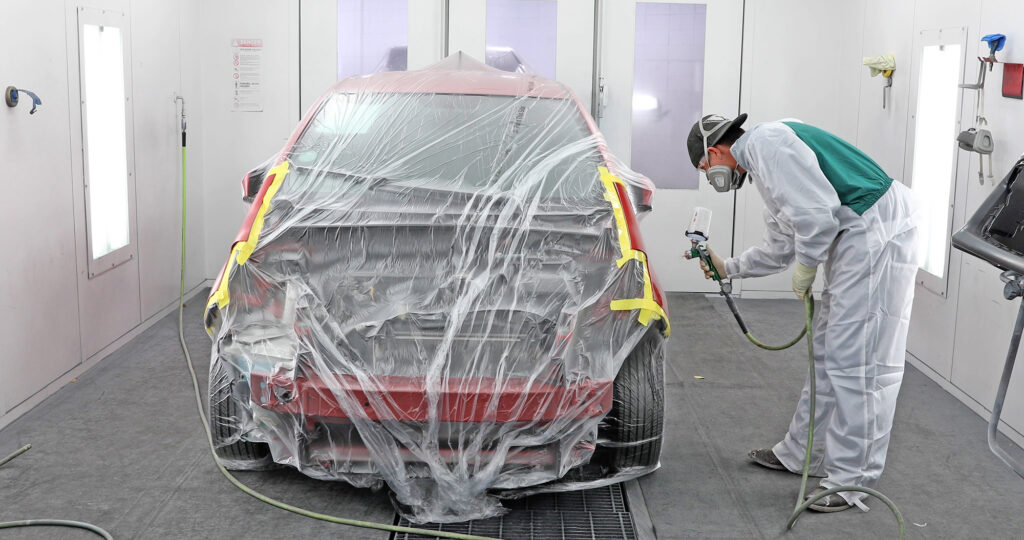
A modern vehicle can look repairable after a crash while hiding damage beneath its panels. That is why professional body collision repair depends on more than hammers, paint, and replacement parts. Today’s repair shops use specialized measuring systems, diagnostic scanners, welding equipment, frame machines, and refinishing technology. Auto Body Collision Experts rely on these tools to identify hidden problems, restore damaged structures, and return vehicles to safe, accurate condition.
Why Advanced Tools Matter in Body Collision Repair
Collision damage can affect several vehicle systems at once. A moderate impact may bend structural components, disturb suspension geometry, damage sensors, or leave panels misaligned even when the exterior damage appears minor.
Modern tools allow technicians to inspect and repair these problems with greater precision. Instead of relying only on visual judgment, technicians can compare measurements, scan electronic systems, and follow manufacturer repair procedures.
Advanced equipment also helps improve consistency. When a repair requires precise measurements, the right tool gives technicians reliable information that supports better decisions throughout the repair process.
Frame Machines for Structural Repairs
One of the most important pieces of equipment in a collision facility is the frame machine. It is designed to secure a vehicle while controlled pulling forces are used to restore damaged structural areas.
How Frame Machines Work
After a serious impact, parts of the vehicle structure can shift from their original positions. Technicians use anchoring points and hydraulic equipment to hold the vehicle securely and carefully move damaged sections back toward their specified locations.
The process is not simply about making a vehicle look straight. Technicians must use measurements and manufacturer specifications to determine whether the structure has returned to an acceptable position.
Why Accurate Frame Measurements Matter
A vehicle with an improperly repaired structure may experience problems with panel fit, suspension geometry, handling, or safety-system operation. Therefore, technicians typically measure the structure before, during, and after repair.
This equipment is particularly useful when the damage extends beyond a visibly damaged bumper or fender.
Electronic Diagnostic Scanners
Vehicles now contain numerous electronic control modules and sensors. Following a collision, these systems can store fault codes or require inspection even when the dashboard does not immediately display an obvious warning.
Diagnostic scanners connect with the vehicle’s electronic systems and help technicians identify stored trouble codes and system-related issues.
Scanning Before and After Repairs
A scan can establish a record of vehicle conditions before repairs begin. After the work is completed, another scan can help determine whether relevant faults remain.
Depending on the vehicle and repair procedure, technicians may need to inspect systems associated with airbags, braking, steering, driver assistance, or other electronic functions.
This makes scanning an important part of modern body collision work rather than an optional convenience.
ADAS Calibration Equipment
Advanced Driver Assistance Systems, commonly called ADAS, include technologies such as cameras, radar, blind-spot monitoring, lane-departure warnings, and automatic emergency braking.
A collision can affect these systems even if the associated components appear undamaged.
Camera and Radar Calibration
Many vehicles require calibration after specific collision repairs, windshield replacement, suspension work, or sensor removal. Calibration equipment helps technicians position targets and sensors according to the vehicle manufacturer’s requirements.
For example, a front-end repair may involve components located near a radar sensor. If the sensor’s position changes slightly, its ability to interpret distances can be affected.
Specialized ADAS equipment helps technicians verify alignment instead of assuming that a component is functioning correctly.
Digital Measuring Systems
Accurate measurement is central to quality collision repair. Digital measuring systems allow technicians to compare a damaged vehicle against manufacturer specifications.
Identifying Hidden Structural Damage
A technician may measure multiple points across the vehicle’s structure and compare those measurements with reference data. Differences can reveal movement that is difficult to detect by looking at the exterior.
Digital systems can also make documentation easier. Technicians can record measurements and use them to guide structural repairs.
Benefits of Computerized Measurements
Computerized measuring equipment can reduce guesswork and provide repeatable results. This becomes especially valuable when several structural points need to be checked during a complex repair.
For customers, accurate measurement can provide greater confidence that the vehicle was repaired according to established specifications.
MIG and Aluminum Welding Equipment
Welding is another major part of modern collision repair. Depending on the vehicle’s construction, technicians may work with different grades of steel, aluminum, and other materials.
MIG welding equipment is commonly used for certain automotive repairs, while aluminum repairs require appropriate equipment, preparation, and procedures.
Why Welding Requires Specialized Equipment
Vehicle manufacturers specify where and how certain structural components can be repaired. Technicians must understand material types, weld locations, heat control, and approved joining methods.
Using unsuitable equipment or an incorrect welding procedure can compromise a repair. For that reason, qualified technicians follow vehicle-specific repair information rather than treating every damaged vehicle the same way.
Dent Repair and Panel Shaping Tools
Not every collision requires extensive structural work. Smaller dents and panel damage can often be repaired using specialized hand and power tools.
Common equipment may include:
- Dent pullers
- Slide hammers
- Body hammers
- Dollies
- Stud welders
- Pneumatic tools
- Panel-beating equipment
- Sanding and shaping tools
These tools help technicians restore damaged metal while maintaining the correct panel contours.
Paintless Dent Repair Tools
For certain shallow dents where the paint remains intact, technicians may use paintless dent repair techniques. Specialized rods and precision tools allow them to work behind the panel and gradually restore its original shape.
However, this method is not appropriate for every type of damage. Deep creases, stretched metal, damaged paint, and certain panel locations may require conventional repair methods.
Paint Matching and Refinishing Equipment
Once structural and body repairs are complete, refinishing equipment becomes essential. A vehicle’s paint must not only match its color but also provide the appropriate texture and finish.
Color Matching Technology
Modern repair facilities may use digital paint spectrophotometers to analyze the vehicle’s existing finish. The device helps identify a suitable paint formula based on the measured color.
Technicians can then mix the required materials and perform test applications before painting the repaired area.
Spray Booths and Refinishing Tools
Professional spray booths provide a controlled environment for refinishing work. Spray guns, mixing equipment, curing systems, and filtration technology all contribute to a cleaner and more consistent finish.
Proper preparation remains just as important as the equipment. Sanding, masking, priming, and surface cleaning can significantly affect the final result.
Wheel Alignment and Suspension Equipment
Collision damage does not always stop at the body panels. An impact can affect wheels, steering components, suspension parts, or the vehicle’s alignment.
Alignment machines measure wheel angles and help technicians determine whether adjustments are necessary.
Why Alignment Checks Matter
Even a small change in suspension geometry can cause uneven tire wear, steering issues, or handling concerns. A vehicle that looks perfectly repaired externally may still need alignment work.
As a result, alignment equipment can play an important role in completing a body collision repair properly.
Headlight Aiming and Lighting Equipment
Headlights can move or become damaged during an accident. After front-end repairs, technicians may need to check their position and aim.
Specialized headlight aiming equipment helps verify that beams are positioned correctly. Proper alignment improves nighttime visibility while reducing the possibility of excessive glare for other drivers.
Dust Extraction and Surface Preparation Equipment
Repair quality depends heavily on preparation. Sanding creates dust and fine particles that can interfere with paint application if they are not controlled.
Professional shops may use dust extraction systems, pneumatic sanders, vacuum equipment, and specialized cleaning tools to prepare surfaces.
A clean working environment can help reduce contamination and improve the consistency of refinishing work.
How Shops Choose the Right Tools for a Repair
No single tool can handle every collision. The equipment required depends on the vehicle, damage severity, construction materials, and manufacturer’s repair instructions.
A typical repair may involve several stages:
- Initial inspection: Technicians document visible and potential damage.
- Electronic scanning: Vehicle systems are checked for relevant faults.
- Structural measurement: Damaged areas are compared with specifications.
- Disassembly: Additional damage is identified behind exterior panels.
- Structural repair: Approved equipment and procedures are used.
- Panel repair or replacement: Body surfaces are restored.
- Refinishing: Paint and clear coat are applied as required.
- Calibration and testing: Relevant electronic and safety systems are checked.
- Final inspection: The completed repair is reviewed for quality and proper operation.
This organized approach helps prevent technicians from overlooking problems that may not be visible during the initial inspection.
Questions to Ask About Collision Repair Equipment
Vehicle owners do not need to become repair technicians, but a few practical questions can help them understand the repair process.
Ask whether the shop:
- Performs structural measurements when required.
- Uses vehicle-specific repair procedures.
- Performs pre- and post-repair diagnostic scans when appropriate.
- Checks ADAS components after relevant repairs.
- Uses proper welding equipment for the vehicle’s materials.
- Performs wheel alignment checks when collision damage could affect suspension geometry.
- Uses controlled refinishing equipment for paint repairs.
Clear communication can make the repair process easier to understand and help customers know what work their vehicle actually needs.
The Role of Technology in Modern Collision Repair
Technology has changed the way body collision repairs are inspected, measured, and completed. However, equipment alone does not guarantee a quality repair.
Technicians still need training, experience, careful judgment, and knowledge of manufacturer procedures. The most effective repair process combines appropriate technology with skilled hands and detailed inspections.
For vehicle owners, that combination matters because collision repair is ultimately about more than appearance. The goal is to restore the vehicle as closely as possible to its specified condition while addressing structural, mechanical, electronic, and cosmetic concerns.
Conclusion
Advanced body collision repair requires much more than replacing damaged panels and applying fresh paint. Frame machines, digital measuring systems, diagnostic scanners, ADAS calibration equipment, welding systems, alignment machines, and refinishing technology each serve a specific purpose. Together, they help technicians identify hidden damage and complete repairs with greater precision. When choosing a repair facility, vehicle owners should ask about the tools, measurement procedures, diagnostic checks, and manufacturer guidelines used during the process. A well-equipped shop with properly trained technicians can approach complex collision damage systematically, helping restore both the vehicle’s appearance and its essential functions.
FAQs
1. What are the most important tools used in advanced body collision repair?
Advanced body collision repair uses several specialized tools, including frame machines, digital measuring systems, diagnostic scanners, ADAS calibration equipment, welding machines, paint matching technology, and alignment equipment. Each tool helps technicians accurately inspect, repair, and restore different areas of a damaged vehicle.
2. Why do collision repair shops use digital measuring systems?
Digital measuring systems help technicians identify hidden structural damage by comparing a vehicle’s measurements with manufacturer specifications. They provide accurate data that helps ensure the vehicle frame and body components are restored correctly after an accident.
3. How do diagnostic scanners help after a vehicle collision?
Diagnostic scanners check a vehicle’s electronic systems for stored fault codes and potential issues. They are especially useful for inspecting safety features such as airbags, braking systems, sensors, and other electronic components affected by a collision.
4. What is ADAS calibration, and why is it needed after repairs?
ADAS calibration adjusts advanced driver assistance systems such as cameras and radar sensors to their correct positions. It may be required after certain collision repairs because even a small change in alignment can affect how these safety systems operate.
5. Can advanced repair tools improve the quality of body collision repairs?
Yes. Advanced repair tools allow technicians to work with greater accuracy and consistency. Equipment such as frame machines, measuring systems, and paint technology helps ensure repairs meet proper standards while improving vehicle safety, appearance, and performance.