
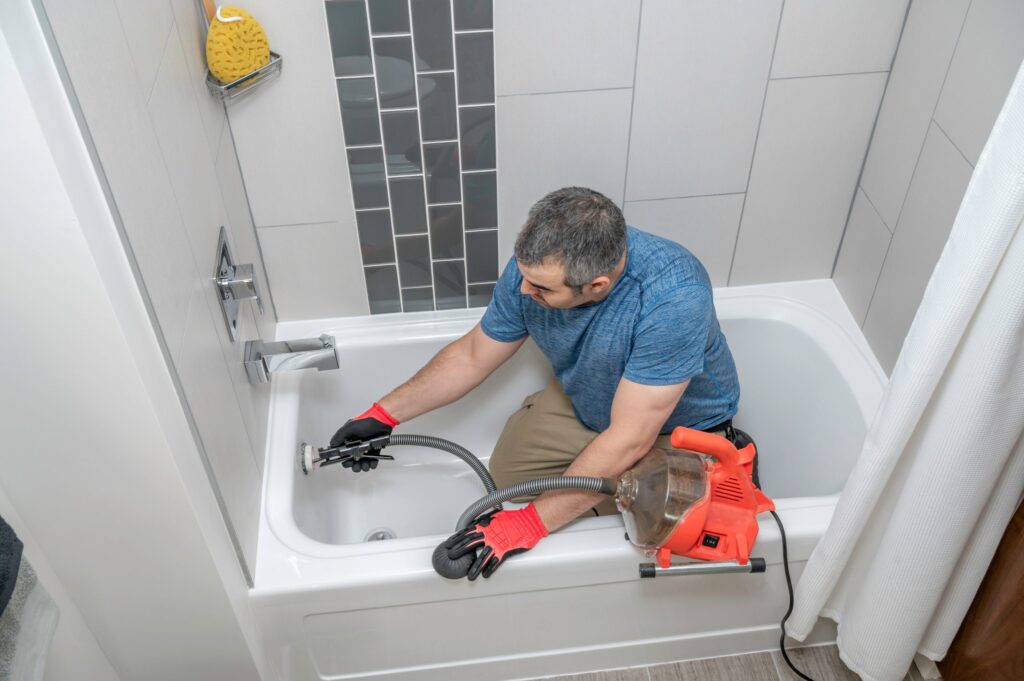
A slow drain may seem like a minor annoyance, but it can be an early warning that something is happening inside your plumbing system. When buildup continues unchecked, small drainage problems can develop into damaged pipes, leaks, or major blockages. In situations where a serious blockage develops suddenly, emergency drain cleaning high springs fl can help restore proper flow before the problem causes more extensive damage. Regular maintenance, however, can prevent many of these emergencies in the first place.
Why Drain Problems Can Lead to Pipe Damage
Your drainage system handles water, soap residue, food particles, grease, hair, and other materials every day. Although pipes are designed to move wastewater efficiently, repeated exposure to debris can gradually create buildup along their interior walls.
At first, you may notice that water takes slightly longer to disappear. Over time, the opening inside the pipe can become smaller, forcing wastewater through a restricted passage.
This creates additional pressure and can place unnecessary stress on plumbing connections. If the blockage becomes severe, water may eventually back up into sinks, tubs, showers, or other fixtures.
Small Blockages Can Become Serious Problems
A partial clog does not always stop water completely. Instead, it can slowly worsen while remaining easy to overlook.
For example, a kitchen sink that drains slowly may have grease and food residue collecting inside the pipe. Similarly, a bathroom drain may accumulate hair, soap scum, and mineral deposits.
Without attention, these materials can combine and form a dense obstruction. Removing the buildup early is generally much easier than dealing with a backed-up drain or damaged pipe later.
How Regular Drain Cleaning Protects Pipes
Drain cleaning removes accumulated debris that restricts wastewater flow. By keeping the interior of the drainage system clearer, homeowners can reduce the strain caused by persistent blockages.
Regular cleaning also gives homeowners an opportunity to identify developing plumbing issues before they become more expensive. A professional can examine the system when necessary and determine whether a recurring clog is caused by simple buildup or a deeper problem.
It Reduces Pressure on the Plumbing System
Water should move through a drain without encountering significant resistance. When debris narrows the passage, wastewater has less room to flow.
Although a single partial clog may not immediately damage a pipe, repeated restrictions can contribute to backups and stress throughout the drainage system. Keeping drains clear helps maintain more consistent water movement.
It Helps Prevent Recurring Backups
A drain that repeatedly backs up should not simply be treated with a quick chemical solution each time. Recurring problems can indicate that buildup remains deeper inside the plumbing.
A thorough cleaning can remove more of the material responsible for the obstruction. This may reduce the likelihood of repeated backups and help homeowners avoid unnecessary repair calls.
It Can Reveal Hidden Plumbing Problems
Cleaning is not only about removing debris. It can also provide an opportunity to investigate why a drain keeps developing problems.
If a drain becomes clogged again shortly after cleaning, the cause may involve a damaged pipe, tree root intrusion, poor pipe alignment, corrosion, or another underlying issue. Identifying that cause early can make the eventual repair more manageable.
Warning Signs Your Drains Need Attention
Homeowners do not always need to wait for a complete blockage before addressing drainage problems. Several common signs can indicate that cleaning or inspection is needed.
Watch for:
- Water draining more slowly than usual
- Gurgling sounds from sinks or toilets
- Unpleasant odors coming from drains
- Water backing up into a sink, tub, or shower
- Multiple fixtures draining slowly at the same time
- Frequent clogs in the same fixture
- Standing water around floor drains
- Changes in toilet flushing performance
One slow drain may involve a localized blockage. However, problems affecting several fixtures at once can point to an obstruction farther along the main drainage line.
The Difference Between Routine and Emergency Drain Cleaning
Routine drain cleaning focuses on preventing problems before they become urgent. It may be performed when homeowners notice early warning signs or as part of a broader plumbing maintenance plan.
Emergency service is different. It becomes important when a blockage causes significant backup, overflow, or an immediate risk of water damage.
| Situation | Possible Concern | Recommended Response |
|---|---|---|
| Slightly slow drain | Early buildup | Monitor and consider cleaning |
| Frequent minor clogs | Persistent obstruction | Schedule professional evaluation |
| Strong drain odor | Organic buildup or stagnant water | Inspect and clean the drain |
| Multiple slow fixtures | Main-line restriction | Arrange professional assessment |
| Sewage backup | Significant blockage | Seek prompt professional service |
| Overflowing drain | Severe obstruction | Shut off affected water sources and seek help |
| Repeated blockage after cleaning | Underlying pipe issue | Request further inspection |
Understanding this difference can help homeowners respond appropriately instead of waiting until a manageable issue becomes an emergency.
Why DIY Drain Fixes Do Not Always Solve the Problem
Store-bought drain cleaners may appear convenient, but they do not address every type of blockage. Some obstructions are too deep, too large, or caused by physical damage rather than removable buildup.
Chemical products can also be unsuitable for certain plumbing systems when used improperly. Repeated use may create additional concerns, particularly when homeowners combine different products or use more than the recommended amount.
Plungers Can Help With Simple Clogs
A plunger can be useful when a localized blockage is preventing water from draining normally. However, it may not remove buildup farther inside the pipe.
If plunging only provides temporary relief, the underlying obstruction may still be present. Continuing to repeat the same method without identifying the cause can allow the problem to return.
Drain Snakes Have Limits
A drain snake can sometimes break through or remove a nearby obstruction. However, using the wrong equipment or technique can potentially damage plumbing components.
Professional equipment is available for situations that require deeper access or more thorough cleaning. Experienced technicians can also determine whether the issue is a clog or evidence of a damaged pipe.
How Professional Drain Cleaning Can Reduce Repair Costs
Preventive maintenance can be less disruptive than emergency repairs. When a drain is addressed while the problem is still relatively small, homeowners may avoid the additional damage that can occur after prolonged backups.
For example, a slow kitchen drain may only require cleaning. If the problem is ignored until wastewater repeatedly backs up, moisture could affect surrounding cabinets, flooring, walls, or other materials.
Similarly, a blocked bathroom drain can become more serious if wastewater remains stagnant or repeatedly overflows. Early attention can help limit the scope of the problem.
It Helps Extend Plumbing System Performance
Pipes are expected to remain functional for many years, but their condition depends partly on how well the system is maintained.
Removing excessive buildup helps maintain usable flow capacity. While cleaning cannot prevent every type of pipe failure, it can reduce problems associated with avoidable blockages and accumulated debris.
It Can Prevent Water Damage
A severe blockage can force wastewater back through a fixture. Depending on where the obstruction occurs, overflowing water can reach floors, walls, cabinets, and other areas.
Water damage can involve more than replacing a pipe. Homeowners may also face cleanup, drying, material replacement, and potential mold-related concerns when moisture is left untreated.
What Causes Drain Buildup?
Understanding the source of buildup makes prevention easier. Different drains collect different materials depending on how they are used.
Kitchen Drains
Kitchen sinks commonly collect grease, oils, food particles, and other residue. Even when these materials are washed down with water, some can adhere to the inside of the pipe.
Over time, repeated accumulation can reduce the available space for wastewater to pass through.
Bathroom Drains
Hair, soap residue, shaving products, and personal-care materials are frequent contributors to bathroom drain blockages.
Using drain covers can catch hair and larger debris before they enter the plumbing system. Cleaning these covers regularly is a simple maintenance step.
Main Drain Lines
Main drainage lines can experience more complex problems because they carry wastewater from multiple fixtures. Grease accumulation, foreign objects, damaged pipes, and tree roots can all contribute to restrictions.
When several drains become slow at the same time, homeowners should consider professional evaluation rather than treating each fixture separately.
Practical Ways to Prevent Drain Problems
Good daily habits can complement professional maintenance and reduce unnecessary blockages.
Keep Grease Out of Kitchen Drains
Allow grease and cooking oil to cool, then dispose of them properly instead of pouring them down the sink. Even liquid grease can cool inside a pipe and collect other debris.
Use sink strainers to catch food particles before they enter the drainage system.
Use Drain Covers
Hair and debris are easier to remove from a drain cover than from a pipe. Install appropriate covers over shower, bathtub, and bathroom sink drains.
Clean them frequently so collected material does not eventually wash into the plumbing.
Avoid Flushing Inappropriate Materials
Toilets should generally be used only for waste and toilet paper. Paper towels, wipes, hygiene products, and other materials can create serious blockages even when they are labeled as flushable.
Reducing what enters the drainage system is one of the simplest ways to prevent avoidable clogs.
Respond to Slow Drains Early
Do not ignore a drain that repeatedly becomes slow. Early attention can make it easier to identify and remove the cause before the obstruction becomes severe.
If a basic solution does not resolve the issue, consider having the drain professionally inspected.
When Should You Call a Professional?
A professional evaluation is particularly useful when a clog keeps returning, affects multiple fixtures, or causes wastewater to back up.
You should consider professional service when:
- A drain repeatedly becomes clogged
- Several drains slow down simultaneously
- You notice sewage odors
- Wastewater backs up into fixtures
- A toilet frequently overflows
- DIY methods provide only temporary relief
- You suspect a damaged or collapsed pipe
- Water damage appears near plumbing fixtures
A professional can determine whether the problem is limited to a drain or connected to a larger plumbing issue.
Why Early Action Matters
Plumbing problems rarely become easier to manage when they are ignored. A small restriction can gradually collect more debris, while a recurring blockage may indicate a condition that requires closer inspection.
Early drain cleaning can therefore serve two purposes: restoring proper flow and providing an opportunity to catch warning signs before they develop into costly repairs.
The goal is not to clean every drain constantly. Instead, homeowners should pay attention to changes in drainage performance and respond before a minor problem turns into an emergency.
Conclusion
Drain problems are often easier and less expensive to address when homeowners act early. Regular drain cleaning helps remove buildup, maintain proper wastewater flow, reduce recurring blockages, and identify potential plumbing concerns before they become major repairs. Simple habits such as keeping grease, hair, and inappropriate materials out of drains can also make a meaningful difference. However, persistent clogs, multiple slow fixtures, foul odors, and wastewater backups deserve professional attention. By treating drainage maintenance as part of responsible home care rather than waiting for a complete blockage, homeowners can protect their plumbing system and reduce the risk of unexpected repair costs.
Frequently Asked Questions
1. How often should residential drains be cleaned?
There is no single schedule that works for every home. Homes with frequent clogs, older plumbing, heavy usage, or recurring buildup may need more frequent professional attention. Otherwise, homeowners can monitor drainage performance and arrange cleaning when warning signs appear.
2. Can regular drain cleaning prevent pipe damage?
Regular cleaning can help reduce problems associated with heavy buildup and recurring blockages. However, it cannot prevent every type of pipe damage, such as corrosion, tree root intrusion, shifting, or physical deterioration.
3. Is a slow drain always a sign of a serious plumbing problem?
Not necessarily. A slow drain may simply have localized buildup. However, if the problem keeps returning or several fixtures become slow at the same time, professional inspection can help identify whether a larger issue exists.
4. What should I do if a drain suddenly backs up?
Stop using the affected fixture and limit additional water entering the drainage system. If wastewater continues backing up, especially if sewage is involved, prompt professional assistance is appropriate to determine the cause and prevent further damage.
5. Are chemical drain cleaners safe for all plumbing systems?
No. Chemical drain cleaners are not appropriate for every plumbing situation or pipe material, and improper use can create safety and plumbing concerns. When a blockage is persistent or severe, professional evaluation is a safer way to determine the appropriate cleaning method.