
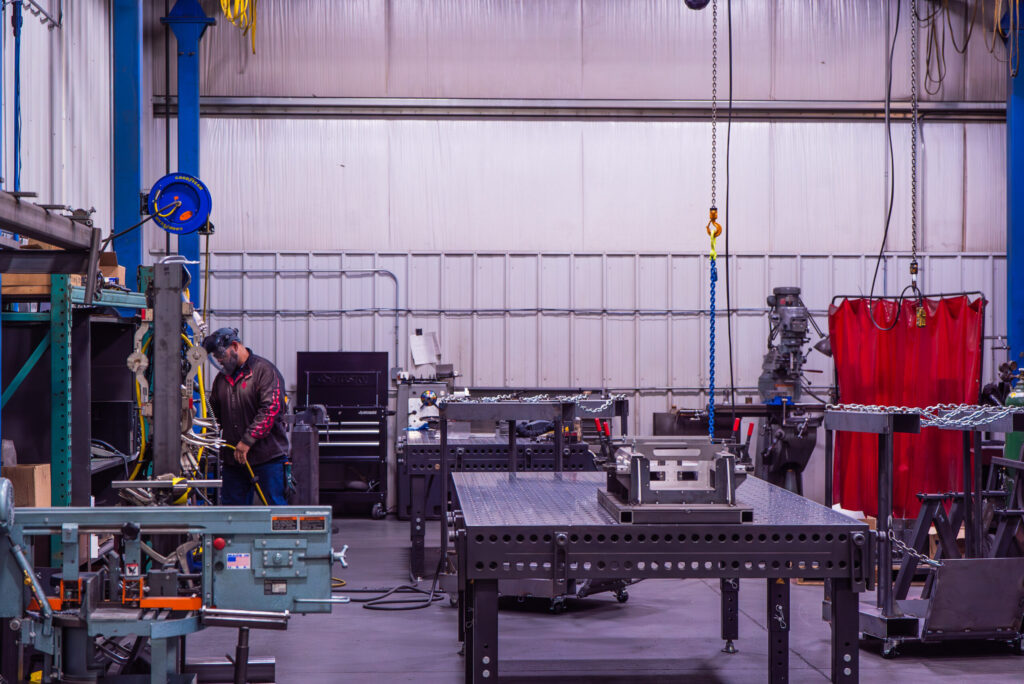
Custom manufacturing rarely follows a one-size-fits-all approach. Every project can have different dimensions, materials, performance requirements, and production challenges. That is where Metal fabricating florida can become an important part of the planning process, especially when manufacturers need components built around specific requirements. From structural frames to precision parts, properly fabricated metal helps businesses create products that fit their applications while maintaining strength, consistency, and practical production costs.
Why Metal Fabricating Is Essential for Custom Projects
Custom projects often require more than simply purchasing standard metal components. Manufacturers may need unusual dimensions, specialized shapes, tight tolerances, or assemblies that cannot be produced efficiently with off-the-shelf products.
Metal fabricating provides a practical way to transform raw metal into components designed for a specific application. Depending on the project, the process may include cutting, bending, forming, welding, drilling, finishing, and assembly.
This flexibility makes fabrication useful across many industries, including construction, transportation, marine applications, agriculture, energy, equipment manufacturing, and industrial production.
Custom Designs Fit Specific Applications
One of the biggest advantages of fabrication is the ability to work around a project’s actual requirements.
For example, a manufacturer developing a specialized machine may need a frame that accommodates specific equipment, wiring, access points, and safety clearances. A standard frame may require modifications or compromises, while a fabricated solution can be designed around the equipment from the beginning.
This approach can also help reduce unnecessary adjustments later in the production process.
Better Control Over Dimensions
Dimensions matter when several components must work together. Even a small difference in size can create alignment problems during assembly.
Experienced metal fabricating professionals use measurements, drawings, templates, and production equipment to create components according to defined specifications. Depending on the application, manufacturers can establish requirements for thickness, length, width, hole placement, angles, and other critical measurements.
Better dimensional control can make assembly easier and reduce the amount of rework required.
Key Benefits of Metal Fabricating for Manufacturers
Custom fabrication offers several practical benefits beyond creating a specific shape. It can influence production efficiency, product durability, material usage, and long-term maintenance.
The right approach depends on the project’s design, production volume, material requirements, and operating environment.
| Benefit | How It Helps Custom Projects |
|---|---|
| Design flexibility | Allows components to match unique project requirements |
| Dimensional control | Supports accurate fitting and assembly |
| Material selection | Makes it possible to choose materials based on application needs |
| Durability | Helps create components designed for demanding environments |
| Repairability | Allows replacement or modification of individual components |
| Production efficiency | Can simplify assembly and reduce unnecessary adjustments |
| Scalability | Supports both one-off projects and repeat production |
| Finishing options | Provides protection and improves the finished appearance |
Improved Design Flexibility
Standard products are useful when project requirements match available sizes and configurations. However, custom projects frequently require something different.
Fabrication allows manufacturers to modify dimensions, shapes, openings, mounting points, and other features. This gives engineers and production teams greater freedom during the design stage.
For instance, a custom equipment enclosure may need ventilation openings, access doors, mounting brackets, and specific dimensions. Fabrication can combine these requirements into one purpose-built component.
Greater Material Selection
Different applications place different demands on metal components. Some projects may require low weight, while others prioritize strength, corrosion resistance, heat resistance, or ease of machining.
Common materials used in fabrication include carbon steel, stainless steel, and aluminum. The right choice depends on factors such as load requirements, environmental exposure, operating temperature, budget, and intended service life.
Choosing the material early can prevent costly changes later.
How Fabrication Supports Product Quality
Quality is not only about the appearance of a finished metal component. It also involves dimensional accuracy, weld integrity, surface condition, material suitability, and consistency between parts.
A well-planned metal fabricating process establishes requirements before production begins. Drawings and specifications can help workers understand exactly what needs to be produced.
Consistent Production
Consistency becomes particularly important when a manufacturer needs multiple copies of the same component.
If every piece has slightly different dimensions, assembly can become slower and quality problems may increase. Standardized fabrication procedures help create repeatable results across production runs.
This is especially valuable for businesses that manufacture equipment or products in batches.
Reduced Rework
Rework consumes materials, labor, machine time, and production capacity. Poor measurements or unclear specifications can cause a component to require modification after it has already been produced.
Clear drawings, accurate measurements, suitable tooling, and proper inspection can reduce these problems.
Although no manufacturing process eliminates every potential error, careful fabrication planning can help identify issues before they become expensive production problems.
The Role of Metal Fabricating in Complex Projects
Some custom projects involve several components that must work together. A fabricated assembly may include brackets, frames, panels, supports, covers, and welded sections.
In these situations, fabrication is not simply about producing individual pieces. It is about creating components that function together as part of a larger system.
Custom Equipment and Machinery
Industrial equipment often requires unique frames, guards, supports, platforms, and mounting structures.
A fabrication team can work from engineering drawings or project specifications to produce components that accommodate the equipment’s dimensions and operating requirements.
This can make installation and maintenance more straightforward because components are designed with the complete system in mind.
Structural Components
Custom structural applications may require beams, brackets, supports, platforms, rails, or frames with specific dimensions.
Fabricated components can be produced according to project requirements instead of forcing the project to fit standard products.
For structural applications, however, engineering requirements and applicable building or safety standards should always guide material selection and fabrication methods.
Marine and Outdoor Applications
Projects exposed to moisture, salt, weather, or changing temperatures require careful consideration of material and finishing choices.
Aluminum and stainless steel are commonly considered for applications where corrosion resistance and weight are important factors. The fabrication method should also account for the material’s characteristics.
Proper material selection and finishing can help components perform more reliably in demanding environments.
How to Choose a Metal Fabricating Partner
Choosing a fabrication provider involves more than comparing prices. A suitable partner should understand the project’s specifications, materials, production requirements, and expected quality standards.
Before starting a project, manufacturers should evaluate several factors.
Review Relevant Experience
Ask whether the fabricator has worked on projects with similar materials, dimensions, tolerances, or production requirements.
Experience with comparable work can make communication easier and help identify potential challenges early.
Confirm Equipment and Capabilities
Different projects require different tools and processes. Depending on the design, a manufacturer may need cutting, forming, bending, welding, machining, or finishing capabilities.
Confirm that the provider has the equipment needed for the project rather than assuming every fabrication shop offers the same services.
Discuss Quality Procedures
Ask how measurements, welds, materials, and finished components are inspected.
A clear quality process can provide greater confidence that the final parts will match the approved specifications.
Understand Production Capacity
A provider capable of producing one custom component may not necessarily have the capacity for a large production run.
Discuss expected quantities, production schedules, lead times, and future orders before committing to a project.
Practical Tips for Planning a Custom Fabrication Project
Good preparation can make the fabrication process smoother and help avoid unnecessary delays.
Manufacturers should consider these steps before sending a project to a fabrication shop:
- Provide accurate drawings and dimensions.
- Clearly identify required materials and thicknesses.
- Explain how the component will be used.
- Identify critical tolerances.
- Specify surface finishing requirements.
- Discuss expected quantities.
- Share the desired production schedule.
- Identify inspection or testing requirements.
- Ask about material availability.
- Review the final design before production begins.
The more information a fabricator receives at the beginning, the easier it becomes to estimate labor, materials, equipment, and production time.
Common Mistakes to Avoid
Even a capable fabrication team can face unnecessary difficulties when project information is incomplete.
Changing the Design Too Late
Design changes after production begins can create additional material costs and delays. Whenever possible, finalize critical dimensions and specifications before fabrication starts.
If changes are unavoidable, communicate them immediately so the fabrication team can determine their impact.
Choosing Materials Based Only on Price
The least expensive material may not provide the performance required for the application.
Consider strength, corrosion resistance, weight, maintenance, service conditions, and expected lifespan alongside the initial material cost.
Ignoring Finishing Requirements
A fabricated component may require painting, powder coating, galvanizing, polishing, anodizing, or another finishing method depending on its environment and purpose.
These requirements should be considered during project planning rather than after fabrication is complete.
Failing to Discuss Tolerances
Not every dimension requires the same level of precision. Identifying critical measurements helps the fabrication team understand where tighter control matters most.
Clear tolerance requirements can also prevent unnecessary production costs associated with extremely tight specifications that the application does not actually need.
Managing Cost Without Sacrificing Quality
Cost control is important for almost every manufacturing project. However, reducing the initial fabrication price should not be the only objective.
A component that fails early, requires frequent repairs, or creates assembly problems can cost more over its service life.
Manufacturers should consider the total project cost, including material waste, labor, finishing, transportation, installation, maintenance, and potential rework.
Design for Efficient Production
Small design changes can sometimes make fabrication easier and more economical.
For example, simplifying unnecessary bends, standardizing repeated dimensions, reducing excessive material thickness, or designing components for easier assembly may lower production complexity.
Engineers and fabricators can often identify these opportunities by reviewing the design together before production starts.
Why Local Fabrication Can Support Custom Manufacturing
Working with a nearby fabrication provider can offer practical communication benefits for manufacturers that require ongoing or highly customized work.
Local collaboration may make it easier to discuss drawings, inspect samples, resolve production questions, and coordinate deliveries. It can also be useful when a project requires multiple revisions or physical prototypes.
However, location should be considered alongside technical capabilities, quality processes, experience, production capacity, communication, and project requirements.
Conclusion
Custom manufacturing depends on components that fit the job rather than forcing the job to fit a standard product. Metal fabricating gives manufacturers the flexibility to create parts with specific dimensions, materials, shapes, and performance requirements. From industrial equipment and structural assemblies to outdoor and marine applications, properly planned fabrication can support quality, durability, efficient assembly, and long-term value. The best results begin with clear specifications, suitable materials, realistic tolerances, and open communication between the manufacturer and fabrication team. By treating fabrication as an important part of project planning—not simply the final production step—businesses can build custom solutions that meet practical manufacturing needs.
FAQs
What is metal fabricating?
Metal fabricating is the process of turning raw metal into finished components or assemblies through processes such as cutting, bending, forming, welding, drilling, and finishing.
Why is metal fabrication useful for custom projects?
It allows manufacturers to create components according to specific dimensions, designs, materials, and application requirements rather than relying entirely on standard products.
Which metals are commonly used in fabrication?
Common choices include carbon steel, stainless steel, and aluminum. The appropriate material depends on factors such as strength, weight, corrosion resistance, environment, cost, and intended use.
How can manufacturers reduce fabrication costs?
Manufacturers can control costs by providing accurate drawings, choosing appropriate materials, defining necessary tolerances, reducing unnecessary design complexity, and planning finishing requirements early.
What should I ask a fabrication company before starting a project?
Ask about relevant experience, available equipment, material options, quality-control procedures, production capacity, lead times, finishing services, and the company’s ability to meet your project’s specifications.