
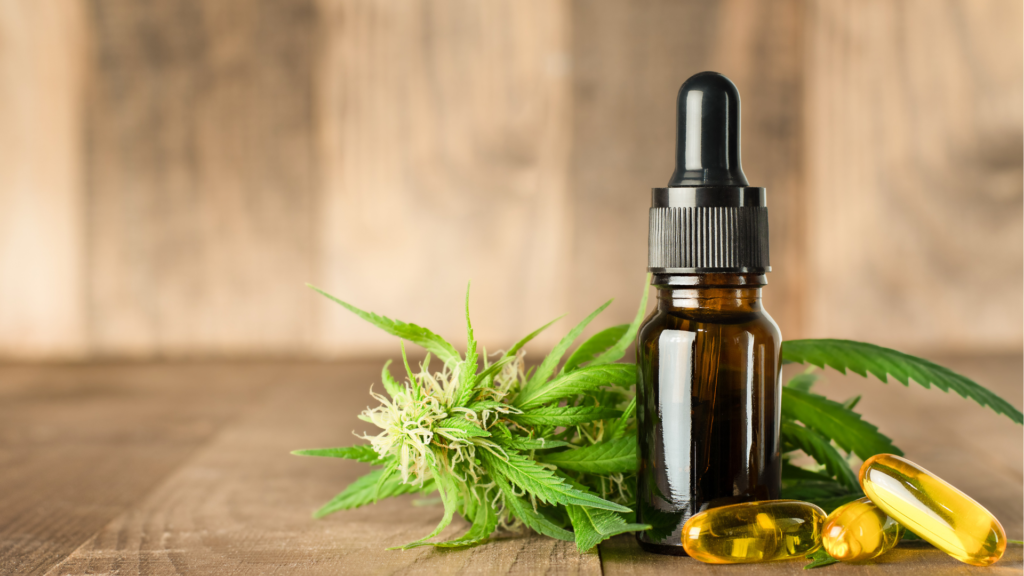
Most people tolerate cannabidiol well, yet some notice drowsiness, stomach trouble, or mood changes. It is easy to assume that anything plant-based must be gentle, especially when browsing CBD products for sale online, but a few people face more serious risks such as drug interactions. This guide explains the side effects reported most often, who is more likely to experience them, and how to lower your risk before trying something new.
How CBD Works and Why Side Effects Happen
Cannabidiol (CBD) is a compound found in the cannabis plant. Unlike THC, it does not produce a “high.” It does act on the body, though, and anything that acts on the body can cause unwanted effects.
Most research on CBD safety comes from studies of Epidiolex, a prescription CBD medicine approved by the FDA in 2018 for two rare seizure disorders. Those studies used high, medically supervised doses. The FDA has noted that it has seen only limited safety data on CBD, and that data point to real risks worth considering before using it for any reason.
That context matters. The side effects below come mostly from clinical research on high doses, so they may not appear at the lower doses found in many over-the-counter CBD products. Still, the research on lower doses is thin, and individual reactions vary.
The Most Common CBD Side Effects
The FDA describes side effects people may notice, including drowsiness, digestive problems such as diarrhea or reduced appetite, and mood changes like irritability and agitation. It adds that these effects should ease when someone stops CBD or lowers the amount.
Drowsiness and Fatigue
Sleepiness is the most frequently reported effect. Some people welcome it in the evening, but it becomes a problem if it appears at work or behind the wheel.
Imagine taking a CBD gummy before a long commute and feeling unusually heavy-eyed halfway there. That is a common pattern. Prescription CBD labeling advises avoiding driving or hazardous activity until you know how the medicine affects you, and the same caution is sensible with store-bought CBD products.
Digestive Upset and Appetite Changes
Diarrhea, nausea, and a lower appetite show up regularly in the research. Prescription labeling also lists changes in appetite or weight among common effects.
Part of the problem may be the carrier oil. Many tinctures and softgels use MCT, hemp seed, or olive oil, and some people simply digest these poorly in larger amounts. If your stomach reacts, check whether the oil or the CBD itself is the likely cause by trying a different formulation at a lower amount.
Irritability and Mood Changes
Some users feel edgy or agitated rather than calm. This surprises people who buy CBD specifically to relax.
Prescription labeling for CBD also warns that some people have thoughts about suicide while taking it, and advises watching for new or worsening mood changes. This is uncommon and was observed in medically treated patients, but anyone with a history of depression should treat it seriously and mention CBD to their healthcare provider.
Dizziness, Dry Mouth, and Sleep Disruption
Lightheadedness, a dry mouth, and trouble sleeping are also reported by some people. Insomnia is an odd one, since many people take CBD to sleep better. Prescription CBD labeling lists sleep problems among its common effects, so a good night’s rest is not guaranteed.
Side Effects That Deserve Closer Attention
Most effects above are unpleasant but manageable. Two deserve more care because they can go unnoticed.
Liver Enzyme Elevations
During its review of Epidiolex, the FDA identified liver injury as a safety risk. The agency says this was found through blood tests, and appeared even in patients not taking other drugs that affect the liver. Because early liver problems often cause no symptoms, the FDA worries that damage could go undetected in people using CBD without medical monitoring.
Context helps here. The National Institutes of Health’s LiverTox database reports that high daily doses are associated with frequent enzyme elevations, while the lower doses typical of over-the-counter products are generally well tolerated without evidence of liver injury. It also notes that when someone using a supplement develops liver trouble, contaminants or other herbal products could be involved.
In plain terms, the risk looks higher with large doses and with certain medications, but it is not zero. Warning signs worth taking seriously include dark urine and yellowing of the skin or eyes.
Drug Interactions
CBD can change how your body processes other medicines. The FDA warns that it may increase or decrease the effects of other medications, raising the chance of side effects or reducing effectiveness.
Research on prescription CBD points to particular concern with seizure medications such as valproate and clobazam. Many clinicians also urge caution with blood thinners, certain antidepressants, and sedatives, because CBD can influence the liver enzymes that break these drugs down. If you take any prescription medicine, ask your doctor or pharmacist before adding CBD, and do not skip that step because a product is labeled “natural.”
Side Effects at a Glance
The table below summarizes the effects discussed so far and offers a practical first response for each. It is a general guide, not medical advice, and any severe or persistent symptom warrants a conversation with a healthcare professional.
Table: Common CBD Side Effects and Practical Responses
| Side Effect | What It May Feel Like | Who May Notice It More | Practical First Response |
|---|---|---|---|
| Drowsiness | Heavy eyelids, low energy, slowed reactions | People taking sedatives or using higher amounts | Avoid driving until you know your reaction; try a smaller amount |
| Digestive upset | Loose stools, nausea, reduced appetite | People with sensitive stomachs; those using oil-based products | Take with food; test a different carrier oil or format |
| Mood changes | Irritability, restlessness, agitation | People with a history of mood disorders | Stop and speak with a clinician if mood worsens |
| Sleep disruption | Trouble falling or staying asleep | Individuals using CBD later in the day | Move the dose earlier or reduce it |
| Elevated liver enzymes | Usually no symptoms; found by blood test | People on high doses or interacting medications | Discuss monitoring with a doctor |
| Drug interactions | Stronger or weaker effects of other medicines | Anyone on prescription drugs | Check with a pharmacist before starting |
Why Product Quality Changes Your Risk
Side effects do not depend only on CBD itself. The FDA has warned that some CBD products are marketed with unproven medical claims and are of unknown quality. A product may contain more or less CBD than its label states, or it may include other compounds.
THC is the most common concern. Full-spectrum CBD products can legally contain trace amounts of THC under federal hemp rules, which may cause dizziness, anxiety, or a fast heartbeat in sensitive people. It can also matter if you face workplace drug testing.
Contaminants are another worry. Hemp plants absorb substances from soil, so pesticides or heavy metals can end up in a poorly tested extract. The LiverTox review specifically notes that contaminants should be considered when supplement users develop liver problems.
Before you buy, look for a recent certificate of analysis from an independent laboratory. A good certificate lists CBD and THC content and screens for pesticides, heavy metals, and solvents. If a brand does not make that document easy to find, consider it a red flag.
Who Should Be Extra Careful
Some groups face uncertainty or higher risk, and the FDA openly lists them among the unanswered questions.
Pregnant or breastfeeding individuals. The FDA says the effects of CBD on a developing fetus or a breastfed newborn are not known. Clinicians generally advise avoiding it unless a doctor specifically recommends otherwise.
People with liver conditions. Because CBD is processed by the liver and can raise liver enzymes, existing liver disease calls for medical guidance first.
Children and teenagers. The FDA lists the effect of CBD on the developing brain as an open question. Epidiolex is the only FDA-approved CBD medicine, and it is prescribed for specific seizure conditions.
Older adults. This group often takes several medications, which raises the odds of interactions and makes a pharmacist’s review especially useful.
Anyone who drives or operates machinery. Drowsiness can matter more than most users expect.
Practical Ways to Reduce Side Effects
You cannot eliminate every risk, but a few habits make unpleasant surprises less likely.
Start with a small amount and increase slowly. Many side effects appear dose related, so giving your body time to respond helps you spot the amount where problems begin.
Change one thing at a time. If you start a new CBD product on the same day as a new supplement, you will not know which one caused a headache or stomach cramp. A short notebook entry noting product, amount, time, and symptoms makes patterns easy to see.
Choose products that match your needs. Someone avoiding THC may prefer a CBD isolate or a broad-spectrum formulation, while someone with a sensitive stomach may do better with a capsule than an oil.
Finally, tell your healthcare provider you are using CBD. This is especially important before surgery, during pregnancy planning, or when starting a new prescription. Doctors can only account for what they know about.
When to Stop and Seek Medical Help
Mild effects often fade within days after you lower the amount or stop. Some symptoms should not wait.
Contact a healthcare professional promptly if you notice yellowing of the skin or eyes, dark urine, severe or persistent vomiting, a rash with swelling, or any thoughts of self-harm. Seek urgent care for trouble breathing or severe allergic-type reactions. If you take prescription CBD or seizure medication, do not stop abruptly without medical advice, since sudden changes can increase seizure risk.
Conclusion
CBD is not harmless just because it is widely sold. Drowsiness, digestive upset, and mood changes are the effects most people mention, while liver changes and drug interactions deserve the most caution. Risk depends on dose, product quality, your health history, and what else you take.
The safest approach is simple: choose third-party tested CBD products, start low, track how you feel, and involve a doctor or pharmacist if you use medications. Treat any persistent symptom as information, not something to push through.
Frequently Asked Questions
1. Do CBD side effects go away on their own?
Often, yes. The FDA notes that side effects should improve when CBD is stopped or the amount is reduced. If symptoms continue after stopping, speak with a healthcare provider.
2. Is it safe to take CBD every day?
The long-term picture is unclear. The FDA lists the effects of daily, sustained use as an open question. If you plan to use it regularly, check in with a doctor, particularly if you take other medicines.
3. Can CBD cause a positive drug test?
CBD alone is not what workplace tests usually look for, but some products contain trace THC, and mislabeled items may contain more than advertised. If testing affects your job, a CBD isolate with a current lab report lowers the risk, though no product can guarantee a negative result.
4. Can I use CBD while pregnant or breastfeeding?
The FDA says its effects on a fetus or breastfed baby are not known. Most clinicians advise avoiding it, so ask your obstetrician or pediatrician before deciding.
5. How can I tell whether a CBD product is well made?
Look for a recent certificate of analysis from an independent lab that confirms CBD and THC levels and screens for contaminants. Be cautious of products promising to treat or cure diseases, since the FDA has warned that such claims are unproven.