
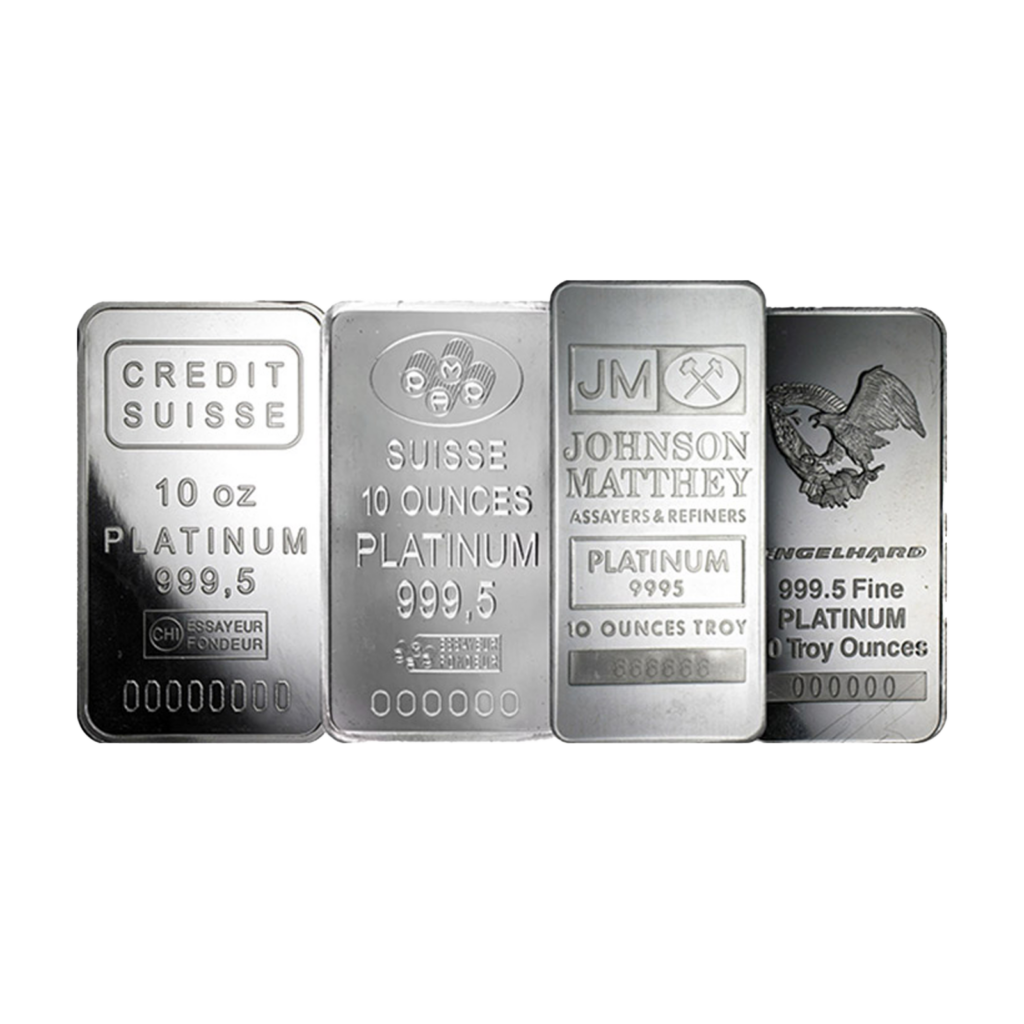
A one-ounce platinum bar can be an attractive option for investors looking to diversify their precious metals holdings. However, its purchase price involves more than the metal’s market value. Before deciding to Buy platinum bars, it is important to understand spot prices, dealer premiums, brand reputation, and additional costs. Knowing how these factors work helps buyers estimate their total expenses, compare dealers, and make more informed bullion purchases.
How Much Does a One-Ounce Platinum Bar Cost in 2026?
As of November 3, 2026, a one-troy-ounce platinum bar was listed by a U.S. bullion price comparison source for approximately $1,500.11. The quoted platinum spot price on Kitco was approximately $1,425 per troy ounce at 12:50 p.m. Eastern Time on the same date. The difference represents the retail premium and other dealer pricing considerations. Actual prices vary with market movements, inventory, and the seller.
For buyers, this distinction is important. The spot price represents the market value of the metal, while the retail price is the amount required to purchase a finished physical bar.
Understanding the Difference Between Spot Price and Retail Price
The first step in understanding platinum bar costs is learning how bullion prices are calculated. Dealers generally use the international platinum spot price as their starting point before adding manufacturing, distribution, and business costs.
What Is the Platinum Spot Price?
The spot price is the current market value of platinum for immediate delivery. It is commonly quoted in U.S. dollars per troy ounce, which is the standard measurement used in precious metals trading.
One troy ounce equals approximately 31.1035 grams. It is slightly heavier than a standard household ounce, which weighs approximately 28.35 grams.
Spot prices change throughout trading sessions as buyers and sellers respond to market conditions. Factors such as industrial demand, mining production, currency movements, investor sentiment, and global economic developments can influence platinum’s value.
For example, if the spot price reaches $1,425 per troy ounce, that figure represents the approximate underlying metal value of one ounce of pure platinum. It does not necessarily represent the final amount a customer will pay at a bullion dealership.
Why Does a Physical Bar Cost More Than Spot?
A finished platinum bar requires more than raw metal. Manufacturers must refine, process, weigh, stamp, and package the product. Dealers also incur expenses related to transportation, insurance, storage, payment processing, and inventory management.
These expenses contribute to the premium above spot.
The premium is the additional amount charged over the underlying metal value. It can differ between manufacturers, bar sizes, product conditions, and dealers.
For instance, consider a bar with a metal value of $1,425 and a retail price of $1,500.11. The additional $75.11 represents the difference between the two figures, or approximately 5.27% of the spot value.
Understanding this calculation helps buyers compare offers more accurately instead of choosing a product based solely on its advertised price.
Five Factors That Influence One-Ounce Platinum Bar Prices
Although platinum bars contain the same precious metal, their retail prices are not always identical. Several factors influence what customers pay.
1. Global Platinum Market Conditions
Platinum is traded internationally, so its value responds to developments across global financial and industrial markets.
Automotive manufacturing is particularly relevant because platinum is used in catalytic converters. It also has applications in chemical processing, petroleum refining, electronics, medical equipment, and other industrial activities.
When industrial demand increases while available supply remains limited, platinum prices may rise. Conversely, weaker manufacturing activity or changes in industrial technology can put downward pressure on prices.
Investors should remember that platinum does not always move in the same direction as gold or silver. Its combination of industrial and investment demand gives it a different market profile.
2. Manufacturer and Brand Reputation
The manufacturer can influence the price of a one-ounce bar. Established refiners may command stronger recognition because their products have identifiable markings, consistent specifications, and established distribution networks.
Some well-known platinum bullion manufacturers include:
- Valcambi
- PAMP Suisse
- Heraeus
- Argor-Heraeus
- Metalor
These manufacturers produce precious metal products for international markets. However, a recognizable brand does not automatically make every product a better investment.
Buyers should compare purity, weight, authentication features, dealer reputation, and resale acceptance before paying extra for a particular manufacturer.
3. Platinum Purity and Weight
Investment-grade platinum bars are commonly produced with a purity of .9995, meaning they contain 99.95% platinum.
Weight also matters. A one-ounce bar generally contains one troy ounce of platinum, while smaller bars contain less metal.
When comparing products, check whether the advertised weight refers to troy ounces or another measurement. Also verify the stated fineness so that you are comparing products with equivalent metal content.
4. Dealer Premiums and Inventory
Different bullion dealers may charge different premiums for the same type of bar. One seller might have a competitive price because it purchased inventory at favorable market rates, while another may charge more because of limited stock or higher operating expenses.
Product availability can also influence pricing. Popular brands or particular bar designs may carry higher premiums when demand increases.
Comparing several established sellers is therefore an important part of the purchasing process.
5. Shipping, Insurance, and Payment Methods
The advertised product price is not always the complete purchase cost.
Some dealers offer free shipping after a minimum order value, while others charge separate delivery and insurance fees. Payment methods may also affect the final price. Bank wire payments, checks, and credit cards can have different pricing structures.
A buyer should calculate the total checkout amount rather than comparing the listed bar prices alone.
How Platinum Bar Prices Compare Across Different Costs
The following table illustrates how a buyer can evaluate the components of a one-ounce platinum bar purchase.
| Pricing component | Example amount | What it represents |
|---|---|---|
| Platinum spot value | $1,425.00 | Underlying metal value |
| Dealer premium | $75.11 | Difference between spot and retail |
| Bar purchase price | $1,500.11 | Product price before additional fees |
| Shipping and insurance | Varies | Delivery-related expenses |
| Applicable taxes | Varies | Depends on jurisdiction and transaction |
| Final purchase cost | Varies | Total amount paid at checkout |
Illustrative calculation based on a November 3, 2026 market snapshot. Shipping and tax amounts are not included or assumed.
This breakdown makes it easier to identify where additional costs arise. A bar advertised at a competitive price might become more expensive after delivery charges, while another seller may offer a slightly higher product price with shipping included.
Is a One-Ounce Platinum Bar a Good Choice for Bullion Buyers?
A one-ounce platinum bar offers a convenient way to own physical platinum without purchasing a large quantity of metal. However, whether it suits an investor depends on their objectives, budget, and understanding of the precious metals market.
Benefits of Buying a One-Ounce Bar
One-ounce bars offer several practical advantages.
First, their standardized weight makes price comparisons relatively straightforward. Buyers can calculate the metal value by checking the current spot price and comparing it with the dealer’s asking price.
Second, they provide direct ownership of physical platinum rather than exposure through a financial contract or investment fund. Owners can hold the metal themselves or arrange appropriate secure storage.
Third, one-ounce bars offer a relatively accessible entry point compared with larger platinum bullion products. They allow buyers to purchase a meaningful quantity without committing to the expense of a ten-ounce or kilogram bar.
Potential Limitations to Consider
Physical platinum also comes with limitations.
The first is the buying premium. Investors usually pay more than the underlying metal value when purchasing a new bar. When selling, a dealer may offer less than the current spot price, depending on market conditions and its buying policy.
This creates a difference between the purchase and resale prices, commonly called the bid-ask spread.
Storage is another consideration. Platinum has substantial value in a relatively compact form, so owners should consider secure storage and appropriate insurance.
Finally, platinum prices can fluctuate significantly. Industrial demand, mining disruptions, economic conditions, and investor expectations can affect its market value. A buyer should be comfortable with these risks before committing money.
These details help reduce the risk of purchasing an incorrectly described or questionable product.
Compare Dealer Pricing
Request or review the complete purchase price from multiple established bullion sellers. Compare the product price, premium, payment conditions, shipping costs, and delivery estimates.
It is also useful to check whether a dealer publishes separate buy and sell prices. This provides insight into the potential resale spread.
Review the Buyback Policy
Some bullion dealers purchase platinum bars from customers, although their offers and conditions vary.
Before buying, find out whether the seller accepts its own products, whether it accepts bars from other refiners, and what documentation or packaging is required.
A clear buyback policy can make future selling more convenient, although it does not guarantee a profitable resale.
Is It Better to Buy Now or Wait for a Lower Price?
Timing the platinum market is difficult, even for experienced investors. Prices can change because of developments that are difficult to predict, including mining interruptions, manufacturing demand, currency movements, and economic uncertainty.
Some buyers prefer to make a single purchase when they believe the price is attractive. Others spread purchases over several periods to reduce dependence on one particular market price.
The latter approach is sometimes called dollar-cost averaging. It involves investing a planned amount at regular intervals rather than committing all available funds at once.
For example, someone planning to allocate $3,000 to physical platinum might divide that budget into smaller purchases over several months. This approach can reduce the impact of buying at one unusually high price, although it does not guarantee lower costs or prevent losses.
The right approach depends on individual financial circumstances and investment goals. Buyers should avoid making decisions based entirely on short-term price movements or predictions.
What Should You Know Before Selling a Platinum Bar?
The purchase price is only one side of physical bullion ownership. Understanding how dealers value platinum when buying it back can help investors make better purchasing decisions.
How Resale Prices Are Determined
When selling a platinum bar, dealers generally consider the current spot price, metal purity, product condition, manufacturer, and their own buying requirements.
A dealer’s buyback offer may be below spot because the business needs to account for verification, handling, refining, and resale costs. The difference between the original purchase price and a future selling offer can affect the overall investment return.
For example, suppose someone purchases a one-ounce bar for $1,500.11. If platinum later trades at $1,600 per ounce, the owner might expect to receive close to that amount. However, the actual offer could be lower depending on the dealer’s pricing policy and market conditions.
This is why investors should examine both the purchase premium and potential resale spread before committing funds.
Does Original Packaging Matter?
Original packaging can make verification and resale easier, particularly when a bar comes in a sealed assay card. An assay card typically identifies the product’s weight, purity, manufacturer, and sometimes its serial number.
However, packaging requirements differ among dealers. Some may accept properly authenticated bars without original packaging, while others may offer different prices depending on the product’s condition.
Keeping purchase receipts, certificates, and original packaging in a safe place is a sensible practice. It can help establish the product’s origin and make future transactions more straightforward.
Platinum Bars Versus Platinum Coins: Which Offers Better Value?
Buyers sometimes compare bars and coins before purchasing physical platinum. Both provide exposure to the metal, but their pricing structures and product characteristics can differ.
Platinum bars are generally straightforward investment products. Their value is primarily linked to weight, purity, and the underlying metal price. This makes them useful for buyers who want to focus on acquiring platinum without paying for elaborate designs or collectible features.
Platinum coins, on the other hand, are government-issued bullion products. Depending on the coin, they may carry additional premiums associated with minting, distribution, and market demand.
For someone focused primarily on metal content, comparing the premium per troy ounce can help identify better value.
However, coins may appeal to buyers who prefer recognizable government-issued products or want greater variety in their holdings. Neither format guarantees a better financial outcome.
The most practical choice depends on the total purchase cost, product recognition, resale opportunities, and personal preferences.
Common Mistakes to Avoid When Purchasing Platinum
Even experienced precious metals buyers can overlook details when comparing bullion products. A few precautions can make the purchasing process more transparent.
Confusing spot price with the actual purchase price: The spot price is a market reference, not a guaranteed retail price. Always account for the dealer premium.
Ignoring the measurement unit: Confirm that the advertised product contains one troy ounce rather than one standard ounce or another weight.
Choosing a seller based only on price: An unusually low offer deserves careful verification. Check the seller’s reputation, product specifications, and transaction policies.
Overlooking the resale spread: A low purchase premium does not automatically mean a favorable resale experience. Review buyback terms before placing an order.
Making decisions based on short-term predictions: Platinum prices are influenced by multiple market forces. Avoid assuming that prices will necessarily rise or fall within a particular period.
A careful comparison of product specifications, total checkout costs, and dealer policies is generally more useful than rushing to purchase based on a temporary price movement.
Conclusion
A one-ounce platinum bar costs more than the metal’s spot value because buyers also pay a dealer premium and potentially additional transaction expenses. As of November 3, 2026, an observed U.S. retail listing was approximately $1,500, compared with a spot reference of around $1,425 per troy ounce. These figures can change quickly, so checking current market quotes is essential. Before purchasing, compare reputable dealers, verify purity and weight, review shipping charges, and understand resale conditions. A well-informed decision begins with evaluating the complete cost rather than focusing on the advertised price alone.
Frequently Asked Questions
How much is a one-ounce platinum bar worth today?
Its value depends on the current platinum spot price and the dealer’s premium. On November 3, 2026, the spot reference was approximately $1,425 per troy ounce, while one retail listing was around $1,500.11.
Are platinum bars made from 100% pure platinum?
Not always. Investment-grade platinum bars commonly have a purity of .9995, meaning they contain 99.95% platinum. Always check the manufacturer’s stated fineness before purchasing.
Why are platinum bars more expensive than their spot price?
Retail bars include additional costs associated with refining, manufacturing, packaging, transportation, distribution, and dealer operations. These expenses contribute to the premium above the spot price.
Can I sell my platinum bar back to a bullion dealer?
Yes. Many bullion dealers purchase platinum bars, although their acceptance requirements and offers vary. The amount you receive depends on market prices, product verification, purity, and the dealer’s buyback policy.
Is purchasing a one-ounce platinum bar suitable for beginners?
It can be a practical starting point for people interested in physical platinum. However, beginners should understand price fluctuations, dealer premiums, storage expenses, and resale spreads before making a purchase.