
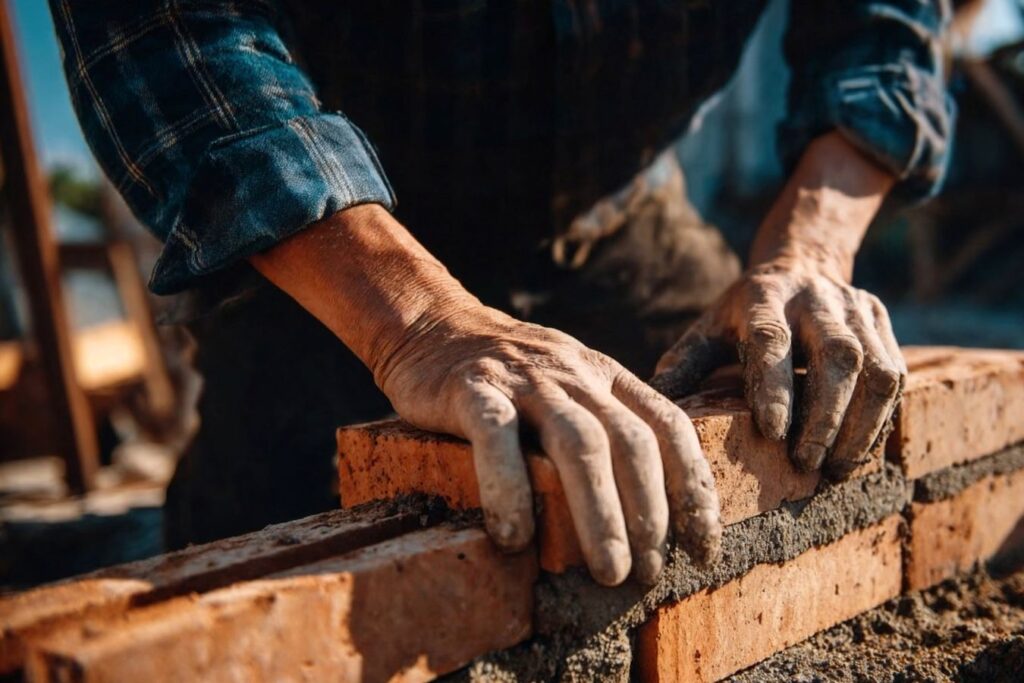
Strong masonry can last for decades, but even durable brick, stone, and concrete surfaces need regular care. Small cracks, moisture problems, and damaged joints can become expensive repairs when ignored. Property owners can prevent many of these issues through simple inspections and timely maintenance. Working with Expert Local Masonry Contractors can also help identify hidden problems and keep exterior surfaces safe, attractive, and structurally sound for years.
Inspect Masonry Surfaces Regularly
Routine inspections are one of the easiest ways to protect masonry. A small defect is usually easier and less expensive to address than a problem that has spread across an entire wall.
Property owners should inspect masonry at least twice a year. Spring and fall are useful times because changing temperatures and weather conditions can reveal problems that may not be visible during other seasons.
Look closely at walls, chimneys, steps, patios, retaining walls, and other masonry features. Pay attention to changes in color, surface texture, joints, and drainage patterns.
Signs That Need Attention
Several warning signs may indicate that masonry needs professional evaluation:
- Hairline or widening cracks
- Loose or missing mortar
- Chipped bricks or stones
- Water stains or discoloration
- Bulging or uneven walls
- Crumbling surfaces
- White powdery deposits
- Loose sections around windows and doors
- Damaged chimney joints
- Water collecting near masonry surfaces
Not every small crack indicates a serious structural problem. However, cracks that grow, appear repeatedly, or run through multiple sections should receive closer attention.
Keep Masonry Clean Without Causing Damage
Cleaning helps masonry maintain its appearance and can make developing problems easier to spot. However, aggressive cleaning methods can damage brick, mortar, stone, and concrete.
Start with the gentlest practical method. A soft brush and clean water can remove loose dirt from many surfaces. For tougher stains, use a masonry-safe cleaning product according to the manufacturer’s instructions.
Pressure washing requires extra care. Excessive pressure can remove mortar from joints, damage soft brick, and force water into small openings. Professional cleaners understand how different masonry materials respond to water pressure and cleaning solutions.
Avoid Harsh Cleaning Practices
Avoid using strong chemicals simply because they appear to work faster. Some products can discolor masonry or weaken surrounding materials.
Test any cleaning method on a small, less noticeable area first. This simple step can prevent an entire wall from being damaged by an unsuitable cleaner.
Protect Mortar Joints
Mortar joints connect individual masonry units and help distribute loads through a wall. Over time, weather exposure can cause mortar to crack, erode, or loosen.
Damaged joints allow water to enter the wall assembly. During freezing conditions, trapped moisture can expand and cause additional deterioration.
Repointing is a common maintenance technique used to remove deteriorated mortar and replace it with suitable new material. The replacement mortar should be compatible with the existing masonry.
Why Proper Mortar Matters
Using the wrong mortar can create new problems. Mortar that is significantly harder than the surrounding brick, for example, may prevent the masonry from moving naturally and can contribute to damage.
Experienced Masonry Contractors can assess existing joints and recommend an appropriate repair method. Proper preparation and material selection are just as important as the finished appearance.
Control Water Around Masonry
Water is one of the biggest threats to long-term masonry performance. Moisture can enter through damaged joints, cracks, poorly sealed openings, roof drainage problems, or improperly graded ground.
Check gutters and downspouts regularly. Water should move away from walls instead of collecting beside the foundation.
Also inspect flashing around windows, doors, chimneys, and roof intersections. Damaged flashing can direct water into areas where masonry cannot dry properly.
Improve Drainage
Good drainage protects both masonry and the structure behind it. Consider these practical steps:
- Keep gutters free of leaves and debris.
- Extend downspouts away from foundation walls.
- Repair leaking exterior fixtures quickly.
- Make sure soil slopes away from the building.
- Remove standing water near masonry surfaces.
- Check drainage systems after heavy rainfall.
These measures are relatively simple, but they can significantly reduce moisture-related deterioration.
Address Cracks Before They Spread
Cracks are common in masonry, but their size, direction, location, and pattern can provide useful clues about the underlying issue.
Small surface cracks may result from normal movement or weather exposure. Larger cracks, stepped cracks, or cracks that continue through several masonry units may require professional investigation.
Avoid filling every crack with a generic sealant. A repair material needs to match the type and location of the crack. Otherwise, the repair may fail quickly or hide a developing structural problem.
Monitor Changes Over Time
Take clear photographs of questionable areas during inspections. Comparing photographs after several months can show whether a crack is stable or changing.
A crack that becomes wider, longer, or more noticeable deserves additional attention. Prompt evaluation can help prevent a minor defect from becoming a major repair.
Protect Masonry From Winter Weather
Cold climates can place additional stress on masonry. Water enters small openings, freezes, expands, and puts pressure on surrounding materials.
Repeated freeze-thaw cycles can gradually damage bricks, mortar joints, concrete, and stone. The risk increases when moisture remains trapped inside the masonry.
Before winter arrives, inspect exterior surfaces for open joints and cracks. Repair drainage issues and make sure water has a clear path away from the structure.
Prepare Before Freezing Temperatures
Seasonal preparation is more effective than waiting until damage appears. Focus on:
- Cracked mortar joints
- Open or deteriorated sealants
- Damaged flashing
- Poor drainage
- Loose masonry units
- Water entry points
- Unprotected exterior surfaces
Early maintenance can reduce the likelihood of winter-related deterioration and expensive spring repairs.
Use Sealants Carefully
Sealants can provide useful protection around joints, openings, and areas exposed to water. However, not every masonry surface needs to be sealed.
A breathable masonry material may need to release moisture naturally. Applying an unsuitable coating can trap water inside the wall and create problems that are difficult to detect from the exterior.
Choose products designed specifically for the masonry material and intended application. Follow product instructions carefully and avoid covering active moisture problems without identifying their source first.
Maintain Brick, Stone, and Concrete Differently
Masonry is a broad category that includes several materials. Brick, natural stone, concrete block, and cast concrete can have different maintenance requirements.
Brick may require attention to mortar joints and moisture penetration. Natural stone may need cleaning methods that protect its surface and prevent staining. Concrete can develop cracks, scaling, and surface deterioration for different reasons.
The following table provides a simple maintenance overview:
| Masonry Material | Common Problems | Recommended Maintenance |
|---|---|---|
| Brick | Cracked mortar, moisture, chipped units | Inspect joints, clean gently, repair damaged areas |
| Natural Stone | Staining, cracking, water intrusion | Use suitable cleaners and inspect for movement |
| Concrete Block | Cracks, moisture, surface damage | Check joints, drainage, and exposed surfaces |
| Cast Concrete | Cracking, scaling, spalling | Monitor cracks and repair damaged sections |
| Brick Pavers | Weed growth, loose units, poor drainage | Clean joints, reset loose pavers, improve drainage |
Understanding the material makes maintenance decisions easier. A treatment that works well for one masonry surface may not be suitable for another.
Check Masonry Around Windows and Doors
Openings around windows and doors deserve special attention because they connect masonry to other building materials. Poor sealing or damaged flashing can allow water to enter the wall.
Inspect caulking and sealant for gaps, cracking, or separation. Look for staining below windows and around door frames, especially after heavy rain.
Small problems around openings can eventually affect larger sections of the wall. Replacing deteriorated sealant and correcting drainage problems early can help protect the surrounding masonry.
Maintain Chimneys and Other Exposed Features
Chimneys receive constant exposure to rain, wind, snow, and temperature changes. Their location above the roof also makes maintenance more difficult.
Inspect chimney caps, flashing, mortar joints, and visible masonry for deterioration. Damaged caps can allow water to enter the chimney, while deteriorated joints can expose the interior to moisture.
Because chimney repairs often involve elevated areas, professional evaluation is advisable when damage is extensive or difficult to reach safely.
Other exposed masonry features, such as retaining walls, outdoor fireplaces, steps, and garden walls, also require periodic inspection.
Repair Damaged Masonry Promptly
Delaying repairs rarely makes masonry problems disappear. Water can enter through a small opening, freeze during cold weather, and gradually enlarge the damaged area.
A damaged brick may eventually affect nearby mortar joints. A loose stone may allow water behind the surface. A small section of deteriorated concrete can develop into larger spalling.
Masonry Contractors can determine whether a problem requires cleaning, repointing, replacement, sealing, or more extensive repair. Getting the correct diagnosis is important because treating only the visible symptom may not solve the underlying issue.
Know When Professional Help Is Needed
Professional assistance is especially valuable when you notice:
- Large or rapidly growing cracks
- Bulging walls
- Significant water penetration
- Loose structural masonry
- Extensive mortar deterioration
- Chimney movement
- Repeated repair failures
- Large areas of spalling
- Difficult-to-access damage
Professional assessment does not mean every issue requires major construction. In many cases, early inspection simply helps identify a smaller repair before it becomes more complicated.
Create a Simple Masonry Maintenance Schedule
A maintenance schedule makes it easier to stay consistent. Instead of waiting for visible damage, property owners can make inspections part of their regular property care routine.
A simple schedule might include a visual inspection in spring, another inspection in fall, gutter and downspout checks several times a year, and professional evaluation whenever significant changes appear.
Keep notes about previous repairs and problem areas. This information can help identify recurring issues and make future maintenance more organized.
Suggested Maintenance Schedule
| Maintenance Task | Suggested Frequency |
|---|---|
| Visual masonry inspection | Twice a year |
| Gutter and downspout inspection | Several times a year |
| Check cracks and mortar joints | During seasonal inspections |
| Clean exterior masonry | As needed |
| Inspect drainage | Before and after heavy rain |
| Check chimney masonry | At least annually |
| Professional masonry evaluation | As problems appear or periodically |
The exact schedule depends on climate, building age, material type, and exposure to moisture. Properties in areas with severe weather may need more frequent inspections.
Choose Skilled Professionals for Major Repairs
Good maintenance starts with accurate diagnosis. A professional should understand the masonry material, the property’s construction, moisture movement, and the causes behind visible deterioration.
Price is important, but it should not be the only factor when selecting a contractor. Ask about experience, previous projects, repair methods, materials, and warranties where applicable.
A reliable contractor should also explain the problem clearly instead of recommending unnecessary work. Clear communication helps property owners understand what needs to be repaired immediately and what can be monitored.
Conclusion
Masonry can provide decades of strength and visual appeal when it receives consistent care. Regular inspections, proper drainage, gentle cleaning, mortar maintenance, crack monitoring, and timely repairs can prevent many common problems from becoming expensive projects. Property owners should also remember that different masonry materials require different maintenance approaches. When damage is extensive or the cause is unclear, professional evaluation is the safest choice. With a practical maintenance schedule and help from experienced professionals when needed, brick, stone, concrete, and other masonry features can remain durable, attractive, and dependable for many years.
FAQs
1. How often should masonry be inspected?
Most properties benefit from a detailed visual inspection at least twice a year. Additional inspections are useful after severe storms, heavy rainfall, or extreme temperature changes.
2. What is the most common cause of masonry damage?
Moisture is one of the most common causes. Water can enter through cracks, deteriorated mortar, poor drainage, damaged flashing, and other openings before causing more serious deterioration.
3. Can small masonry cracks be repaired without professional help?
Some minor surface cracks may be manageable with appropriate materials. However, cracks that grow, return, or appear across several masonry units should be evaluated to identify the underlying cause.
4. How can homeowners protect masonry from water?
Keep gutters and downspouts clear, direct water away from foundations, maintain flashing and sealants, and repair damaged mortar joints. Good drainage is especially important.
5. When should I hire Masonry Contractors?
Consider hiring professionals when masonry has large cracks, loose sections, significant water damage, deteriorated mortar, structural movement, or repairs that repeatedly fail. Professional evaluation can help determine the correct repair method.