
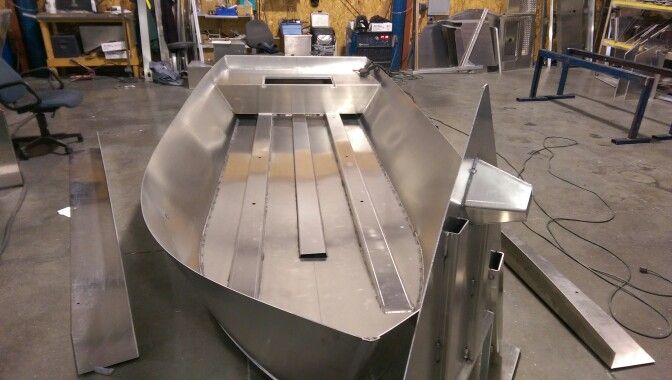
A material can make or break a product when strength, weight, corrosion resistance, and production efficiency all matter. Aluminum stands out because it combines these qualities without adding unnecessary weight. For manufacturers, Custom marine aluminum fabrication largo can be especially valuable when projects require durable components designed for demanding environments. From marine equipment to transportation systems, aluminum fabrication helps businesses create reliable products that meet exact performance and design requirements.
Why Aluminum Fabrication Is Valuable Across Industries
Aluminum offers a practical combination of properties that makes it suitable for many manufacturing applications. It is lightweight, naturally resistant to corrosion, relatively easy to form, and available in a wide range of alloys.
Unlike heavier metals, aluminum can help reduce the overall weight of a finished product while maintaining structural performance. This advantage becomes particularly important for vehicles, boats, machinery, and equipment that must move efficiently or support weight without becoming unnecessarily bulky.
Fabrication also allows manufacturers to shape aluminum according to specific project requirements. Instead of relying solely on standard components, businesses can produce frames, panels, brackets, enclosures, platforms, tanks, and other parts with dimensions suited to their applications.
Key Advantages of Aluminum
Several characteristics explain why this material appears across so many manufacturing sectors:
- Low weight: Aluminum is considerably lighter than many common structural metals.
- Corrosion resistance: Its naturally occurring oxide layer helps protect the surface.
- Strength: Proper alloy selection provides useful strength for structural applications.
- Machinability: Aluminum can be cut, drilled, formed, and machined efficiently.
- Design flexibility: Fabricators can create complex shapes and customized components.
- Recyclability: Aluminum can be recycled repeatedly while retaining useful material properties.
- Appearance: Finished aluminum components can provide a clean, professional look.
These benefits make aluminum fabrication more than a simple metalworking process. It can become an important part of product design, manufacturing efficiency, and long-term performance.
Marine Industry
The marine industry is one of the clearest examples of where aluminum fabrication can provide practical advantages. Boats, work vessels, docks, marine equipment, and offshore components often operate in environments where moisture and salt exposure can accelerate corrosion.
Aluminum can help address these challenges while keeping structures relatively lightweight. A lighter vessel may require less energy to move, while custom-fabricated components can be designed around the vessel’s available space.
Common Marine Applications
Fabricators may produce aluminum components such as:
- Boat frames and structural sections
- Railings and ladders
- Decking systems
- Storage compartments
- Console structures
- Marine access platforms
- Fuel and equipment supports
- Custom brackets and mounting systems
- Workboat components
- Dock and waterfront structures
The ability to fabricate components to exact measurements is particularly useful when working with existing boats or equipment. Marine projects often have unusual angles, limited working space, and specialized requirements that standard products cannot accommodate.
Transportation Industry
Transportation manufacturers constantly look for ways to improve efficiency without compromising durability. Weight plays a major role in that equation, which makes aluminum a useful material for many transportation applications.
Trucks, trailers, buses, rail equipment, utility vehicles, and specialty transportation systems can all incorporate fabricated aluminum components.
Reducing unnecessary weight can improve fuel efficiency, payload capacity, handling, or operating costs, depending on the application. At the same time, carefully selected aluminum alloys can provide the structural characteristics required for specific components.
Where Aluminum Makes a Difference
Transportation applications may include:
- Vehicle body components
- Trailer structures
- Storage systems
- Ramps and access platforms
- Protective panels
- Frames and supports
- Equipment enclosures
- Custom vehicle modifications
For manufacturers, the biggest advantage often comes from combining material selection with precise fabrication. A well-designed component can remove excess material while still performing its intended function.
Construction Industry
Construction projects frequently require durable components that can withstand outdoor exposure while remaining practical to transport and install. Aluminum can meet these needs in a variety of applications.
Fabricated aluminum is commonly considered for architectural components, structural supports, railings, platforms, access systems, and specialized building elements.
Because aluminum is lighter than many alternative metals, contractors may find certain components easier to move and position at a job site. This can simplify installation and reduce the handling demands associated with heavier materials.
Construction Applications
Examples include:
- Handrails and guardrails
- Access platforms
- Walkways
- Architectural panels
- Equipment supports
- Custom frames
- Ladders
- Canopies
- Safety barriers
- Exterior components
The exact design should always account for the intended load, environment, applicable codes, and selected alloy. Professional fabrication helps ensure that these factors are considered before production begins.
Industrial Manufacturing
Industrial manufacturers use aluminum fabrication when they need custom parts that integrate with machinery, production lines, or specialized equipment. Standard off-the-shelf components do not always fit the dimensions or operating requirements of a particular facility.
Custom-fabricated aluminum can solve this problem by producing components around the actual equipment and workflow.
For example, a manufacturing plant may require a lightweight equipment guard, access platform, material handling frame, or custom enclosure. Rather than redesigning an entire production system around a standard component, the manufacturer can have the part fabricated to fit the existing setup.
Benefits for Production Facilities
Aluminum fabrication can support industrial operations by providing:
- Custom equipment frames
- Machine guards
- Walkways and platforms
- Material handling equipment
- Protective enclosures
- Storage structures
- Conveyor components
- Custom brackets and supports
These solutions can also make maintenance easier. Components designed specifically for an installation may provide technicians with better access to equipment and reduce unnecessary interference with surrounding machinery.
Aerospace and Aviation
Aerospace applications place demanding requirements on materials. Components must often balance weight, strength, durability, and precise manufacturing tolerances.
Aluminum alloys have a long history in aviation because they can provide useful mechanical performance at relatively low weight. Fabrication processes can produce specialized structural and non-structural components for aircraft-related applications.
However, aerospace work requires strict material specifications, traceability, quality control, and compliance with applicable industry standards. Fabricators working in this sector must understand the requirements associated with each application.
Why Weight Matters in Aviation
Every unnecessary pound can affect aircraft performance and operating efficiency. Aluminum can help designers manage this concern while still creating components capable of meeting demanding requirements.
The key is not simply choosing aluminum. Engineers must select the appropriate alloy, thickness, joining method, and fabrication process based on the component’s actual operating conditions.
Energy and Utility Industries
Energy and utility projects often require equipment that can operate outdoors and withstand changing environmental conditions. Aluminum’s corrosion resistance and relatively low weight can make it useful for selected applications.
Fabricated components may be used in electrical enclosures, access systems, support structures, equipment platforms, and specialized utility equipment.
For installations located in remote areas, weight can become an important consideration. Components that are easier to transport and position may help simplify installation and maintenance.
Food and Beverage Manufacturing
Food and beverage facilities have strict requirements for cleanliness, durability, and equipment maintenance. Aluminum can be suitable for certain fabricated components where its properties align with the operating environment and sanitation requirements.
Custom-fabricated parts can help facilities make better use of available space. Equipment stands, frames, guards, platforms, and specialized supports can be designed around existing processing systems.
Design Considerations for Food Facilities
Manufacturers should consider several factors before choosing aluminum for these applications:
- Exposure: Determine what chemicals, moisture, and cleaning agents the component will encounter.
- Sanitation: Consider how easily the component can be cleaned.
- Load requirements: Confirm that the selected alloy and design can handle expected loads.
- Joining methods: Select fabrication and joining techniques appropriate for the application.
- Maintenance: Design components so workers can inspect and service them efficiently.
A material that performs well in one part of a facility may not be the best choice everywhere. Application-specific engineering remains important.
Electronics and Electrical Equipment
Electronic and electrical equipment often requires lightweight enclosures, mounting systems, frames, and heat-management components. Aluminum can be useful because it is easy to fabricate and provides good thermal conductivity compared with many common materials.
Custom enclosures can also protect sensitive equipment from physical damage and environmental exposure. Fabricators can incorporate openings, mounting points, ventilation features, and access panels based on the equipment’s requirements.
Custom Components Improve Equipment Integration
A precisely fabricated enclosure can make installation cleaner and maintenance easier. Instead of forcing equipment into a generic enclosure, manufacturers can design the component around cable routing, controls, ventilation, and service access.
This approach can save space while creating a more organized finished product.
Architecture and Commercial Design
Architects and commercial builders increasingly require materials that combine practical performance with attractive appearance. Aluminum can support both goals.
Fabricated aluminum can be shaped into decorative and functional elements, including exterior panels, railings, screens, frames, signs, and custom architectural features.
Because it can be finished in different ways, aluminum also provides design flexibility. Manufacturers can create components that complement the appearance of commercial buildings while meeting functional requirements.
How Different Industries Use Aluminum Fabrication
The following table summarizes common applications and the main reasons industries choose fabricated aluminum.
| Industry | Common Applications | Primary Benefits |
|---|---|---|
| Marine | Boat structures, railings, platforms | Corrosion resistance and low weight |
| Transportation | Trailers, vehicle components, frames | Weight reduction and durability |
| Construction | Railings, platforms, frames | Easy handling and weather resistance |
| Manufacturing | Guards, enclosures, machine frames | Customization and efficient fabrication |
| Aerospace | Aircraft components and structures | High strength-to-weight potential |
| Energy | Platforms, enclosures, supports | Lightweight and corrosion resistance |
| Food & Beverage | Equipment frames and supports | Cleanable custom designs |
| Electronics | Enclosures, frames, mounting parts | Custom fit and thermal performance |
| Architecture | Panels, railings, decorative structures | Design flexibility and appearance |
Choosing the Right Aluminum Fabrication Partner
Finding the right fabricator is just as important as selecting aluminum itself. A project can experience delays, fitment problems, or unnecessary costs when the supplier does not understand the application’s requirements.
Manufacturers should evaluate a fabricator’s experience, equipment, quality processes, communication, and ability to handle the project’s required volume.
Questions to Ask Before Hiring a Fabricator
Consider asking:
- Does the fabricator have experience with similar applications?
- Can they work with the required aluminum alloy?
- What cutting, forming, machining, and welding capabilities do they offer?
- Can they handle both prototypes and larger production runs?
- How do they verify dimensions and quality?
- Can they work from drawings, CAD files, or physical samples?
- What finishing options are available?
- How do they manage deadlines and material availability?
A good fabricator should be willing to discuss the project’s requirements before production begins. Clear communication at this stage can prevent expensive changes later.
How to Improve an Aluminum Fabrication Project
Manufacturers can take several steps to improve project outcomes before sending a design to fabrication.
Provide Complete Specifications
Drawings should clearly identify dimensions, tolerances, material requirements, connection points, and other important details. Missing information can create delays or require costly clarification during production.
Consider Manufacturability
A design may look excellent on paper but be difficult or expensive to fabricate. Discussing the design with an experienced fabricator can reveal opportunities to simplify bends, reduce unnecessary joints, or improve material utilization.
Select Materials Based on the Application
Not every aluminum alloy provides the same characteristics. Consider strength, corrosion exposure, weldability, machinability, finish, and cost when selecting the appropriate material.
Plan for the Full Production Process
Think beyond fabrication itself. Transportation, assembly, installation, maintenance, and eventual replacement should all influence the design.
A component that is slightly more expensive to fabricate may still provide better value if it installs faster or requires less maintenance throughout its service life.
The Role of Precision in Modern Fabrication
Precision matters because fabricated components rarely work in isolation. They must connect with other parts, fit within existing structures, or meet defined dimensional requirements.
Modern cutting, forming, machining, and welding equipment allows fabricators to produce increasingly precise aluminum components. However, technology alone does not guarantee quality.
Experienced technicians still play an important role in material handling, setup, inspection, welding practices, and final quality checks. The strongest results come from combining suitable equipment with skilled workmanship and careful planning.
When Aluminum May Not Be the Best Choice
Although aluminum offers many advantages, it is not automatically the right material for every project. Extremely high-temperature environments, specific wear conditions, unusual structural loads, or compatibility concerns may make another material more suitable.
Engineers should evaluate the complete operating environment before making a decision. Cost, performance, maintenance, fabrication requirements, and expected service life should all be considered together.
This balanced approach helps manufacturers avoid choosing a material simply because it has become popular in another industry.
Conclusion
Aluminum fabrication supports a wide range of industries because it combines useful strength, low weight, corrosion resistance, and design flexibility. Marine, transportation, construction, industrial manufacturing, aerospace, energy, food processing, electronics, and architecture can all benefit when aluminum is selected and fabricated according to the application’s specific needs. The greatest value comes from thoughtful design, proper material selection, precise workmanship, and reliable quality control. For manufacturers planning a custom project, working with an experienced fabricator early in the design process can reduce complications, improve efficiency, and produce components that perform reliably for years.
FAQs
What industries commonly use aluminum fabrication?
Marine, transportation, construction, manufacturing, aerospace, energy, electronics, food processing, and architectural industries commonly use fabricated aluminum components. The material is especially useful when projects require a balance of low weight, durability, and corrosion resistance.
Why is aluminum popular in marine applications?
Aluminum offers relatively low weight and good resistance to atmospheric corrosion, making it useful for many marine structures and components. Proper alloy selection, fabrication, joining, and maintenance remain important because marine environments can be demanding.
Can aluminum fabrication reduce manufacturing costs?
It can, depending on the application and design. Efficient material use, reduced component weight, easier handling, and simplified installation may lower certain production or operating costs.
How do manufacturers choose the right aluminum alloy?
The choice depends on factors such as required strength, corrosion exposure, weldability, machinability, forming requirements, and intended use. Engineers and experienced fabricators can help match the alloy to the project’s performance requirements.
What should I look for in an aluminum fabricator?
Look for relevant industry experience, appropriate fabrication equipment, strong quality-control practices, clear communication, and the ability to meet your material, dimensional, production-volume, and delivery requirements. A capable fabricator should also be willing to review your design and identify potential manufacturing issues before production begins.